
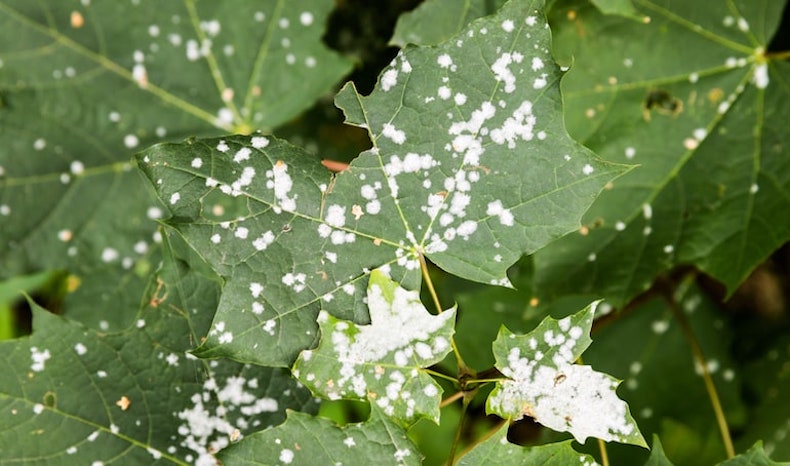
As a gardener, there’s nothing more frustrating than watching your beloved plants succumb to fungal diseases. These common problems can decimate entire harvests and leave you feeling defeated. But fear not! In this article, we’ll explore the most effective natural remedies for treating fungal diseases in your garden.
What are Fungal Diseases?
Fungal diseases, also known as cryptogamic diseases, are a group of infections caused by fungi that can wreak havoc on your garden. From powdery mildew to peronospora, these diseases can cause significant damage to plants, affecting not only their health but also their yield. But the good news is that there are natural remedies that can help you combat fungal diseases in your garden.
The Science Behind Fungal Diseases
Fungal diseases occur when a fungus infects a plant, causing it to produce toxic compounds or to spread rapidly through the plant’s vascular system. The most common types of fungal diseases include:
- Powdery mildew: A white, powdery coating on leaves that can reduce photosynthesis and cause yellowing
- Downy mildew: A grayish-green growth on stems and leaves that can reduce yields and kill plants
- Root rot: Fungal infections in the roots of plants, which can lead to yellowing leaves and plant death
Natural Remedies for Treating Fungal Diseases
While chemical pesticides may provide quick relief from fungal diseases, they can also harm beneficial insects and contaminate soil. Natural remedies offer a safer, more sustainable alternative.
1. Verderame or Poltiglia Bordolese: The Copper-Based Solution
Verderame or poltiglia bordolese is a product based on copper and lime, commonly used to prevent fungal diseases such as powdery mildew. The lime helps to smooth out the caustic properties of copper, allowing it to stick better to plant surfaces. This product works as a preventive measure, stopping spores from attaching to plants.
However, using verderame or poltiglia bordolese is not effective in treating fungal diseases that are already underway. It’s essential to apply this product during the autumn and winter months, when fungal diseases are less active.
2. Sulfur: The Natural Fungicide
Sulfur is another natural remedy that can help prevent fungal diseases in your garden. This yellow powder is widely used against powdery mildew, particularly on grapes. To apply sulfur effectively, you can use a blower to distribute it evenly on plants or mix it with water and spray it directly.
However, be aware that sulfur can be toxic to beneficial insects and soil microorganisms. Use it in moderation and follow the instructions for application carefully.
3. Equisetum Macerato: The Ancient Fungicide
Equisetum arvense, also known as “Cavalry Mane,” is an ancient remedy that has been used for centuries to treat fungal diseases in gardens. This plant has natural antifungal properties and can be used fresh or dried.
To prepare a homemade equisetum infusion, collect 500 grams of fresh leaves or use 80 grams of dried leaves. Infuse the mixture in 5 liters of water for 48 hours, then dilute it to 70% with water. Nebulize this mixture on treated plants and repeat every 7-10 days.
Combating Fungal Diseases: Prevention vs. Treatment
To prevent fungal diseases from appearing in your garden, consider applying sulfur or verderame or poltiglia bordolese during the autumn and winter months. If you already have a fungal disease, it’s essential to act quickly and treat it with an effective remedy.
Preventing Fungal Diseases
To prevent fungal diseases from occurring in your garden, follow these best practices:
- Remove weeds and debris, which can harbor fungal spores
- Improve air circulation around plants to reduce moisture buildup
- Avoid overwatering, which can lead to fungal growth
- Use mulch to retain moisture and regulate soil temperature
Treating Fungal Diseases
To treat fungal diseases that have already appeared in your garden, follow these steps:
- Identify the type of fungal disease affecting your plants
- Apply a natural remedy, such as sulfur or verderame or poltiglia bordolese
- Nebulize an equisetum infusion on treated plants
- Repeat applications every 7-10 days to maintain effective protection against fungal diseases
Conclusion
Fungal diseases can be a significant threat to your garden, but there are natural remedies that can help you combat them. By understanding the different types of fungal diseases and using effective natural remedies such as sulfur, verderame or poltiglia bordolese, and equisetum macerato, you can protect your plants and enjoy a healthy harvest.
Frequently Asked Questions
- What is the best way to prevent fungal diseases in my garden?
Using natural remedies like sulfur, verderame or poltiglia bordolese, as well as maintaining good garden hygiene practices such as removing weeds and debris. - Can I use verderame or poltiglia bordolese to treat fungal diseases that are already underway?
No, this product is only effective as a preventive measure and should not be used to treat existing fungal diseases. - Is sulfur safe for beneficial insects and soil microorganisms?
Use sulfur in moderation and follow the instructions carefully to avoid harming beneficial organisms. - How can I prepare a homemade equisetum infusion?
Collect 500 grams of fresh leaves or use 80 grams of dried leaves, infuse the mixture in 5 liters of water for 48 hours, then dilute it to 70% with water. - What is equisetum arvense, also known as “Cavalry Mane”?
Equisetum arvense is an ancient plant with natural antifungal properties that can be used to treat fungal diseases in gardens. - Can I use sulfur or verderame or poltiglia bordolese on other types of plants?
Use these remedies specifically for the type of plant affected by fungal disease, as they may not be effective on all plants. - What are some common signs of fungal diseases in my garden?
Look out for symptoms such as yellowing leaves, black spots, or powdery mildew on your plants. - How often should I apply natural remedies to prevent fungal diseases?
Repeat applications every 7-10 days to maintain effective protection against fungal diseases.
By following these tips and using the right natural remedies, you can protect your garden from fungal diseases and enjoy a healthy, thriving harvest.


