
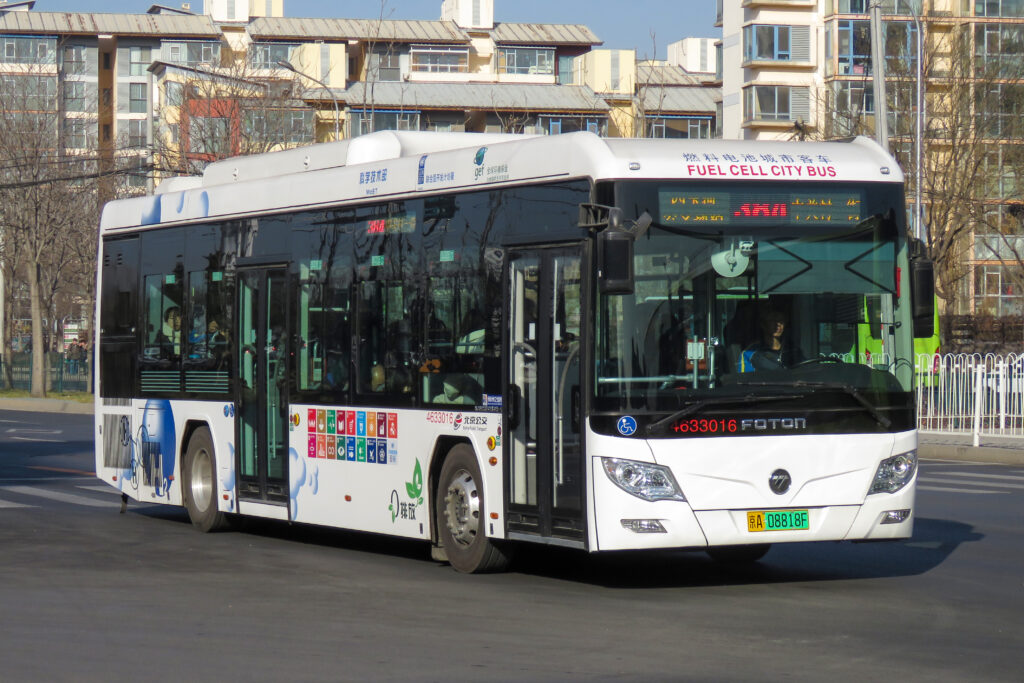
As we strive to reduce our carbon footprint and mitigate the effects of climate change, innovative solutions are emerging to power our transportation systems. One such solution is the hydrogen fuel cell bus, a vehicle that combines the benefits of electricity with the efficiency of hydrogen production. The use of hydrogen fuel cell buses in public transportation offers a promising opportunity for reducing greenhouse gas emissions from transportation systems.
What are Hydrogen Fuel Cell Buses?
A hydrogen fuel cell bus is a type of electric vehicle that uses hydrogen as its primary source of energy. When hydrogen and oxygen from the air combine in an electrochemical reaction, they produce electricity, which powers an electric motor to propel the vehicle forward. This process is clean and efficient, producing only water vapor and heat as byproducts.
Hydrogen fuel cell buses are remarkably similar to traditional diesel buses, both in appearance and performance. However, they produce significantly less noise and no emissions, making them a more comfortable and environmentally friendly option for passengers. The propulsion system consists of electric motors integrated into the wheels, which receive energy from the hydrogen fuel cell.
Benefits of Hydrogen Fuel Cell Buses
Hydrogen fuel cell buses offer several advantages over traditional fossil-fuel-based transportation systems. They have a zero-emission profile, producing only water vapor and heat as byproducts, making them an attractive option for reducing greenhouse gas emissions. Additionally, they can travel longer distances without needing to recharge, making them more suitable for public transportation routes.
Furthermore, hydrogen fuel cell buses have a higher power density, allowing for faster acceleration and better performance overall. This makes them well-suited for heavy-duty applications such as public transportation systems.
CHIC Project: A European Demonstration of Hydrogen Fuel Cell Technology
In the Provincia Autonoma di Bolzano-Alto Adige, a European demonstration project called CHIC (Clean Hydrogen in European Cities – Idrogeno pulito nelle città europee) is underway. The project aims to promote the adoption of hydrogen fuel cell technology in public transportation and on the European market.
The CHIC project brings together several European cities to share knowledge, experience, and best practices in the development and implementation of hydrogen fuel cell technology for public transportation systems. This collaboration provides a unique opportunity for learning from each other’s experiences and successes, ultimately promoting the widespread adoption of hydrogen fuel cell buses across Europe.
How Do Hydrogen Fuel Cell Buses Work?
Hydrogen fuel cell buses are remarkable examples of engineering and technology. The propulsion system consists of electric motors integrated into the wheels, which receive energy from the hydrogen fuel cell. When hydrogen and oxygen from the air combine in an electrochemical reaction, they produce electricity, which powers the motor to propel the vehicle forward.
The entire process is incredibly efficient, with most of the energy stored in the hydrogen being converted into electrical energy. This efficiency makes hydrogen fuel cell buses a more viable option for public transportation systems than traditional fossil-fuel-based vehicles.
Transporting Hydrogen: A Safety First
The transportation of hydrogen gas requires specialized equipment to ensure safety. In the CHIC project, hydrogen is transported in high-pressure cylinders (350 bar) installed on top of the buses. This system has been proven safe through European regulations and testing.
To ensure the safe transportation of hydrogen, it’s essential to follow strict guidelines and protocols for handling and storing hydrogen gas. This includes regular inspections, maintenance checks, and adherence to safety standards set by regulatory bodies.
Filling Up: Where Do Hydrogen Fuel Cell Buses Get Their Hydrogen?
Hydrogen fuel cell buses fill up at specialized stations, where they receive hydrogen from compressed gas cylinders. In Bolzano, these stations are conveniently located near public transportation hubs and even include centers for hydrogen production.
These stations typically use a high-pressure storage system to store the hydrogen, which is then dispensed to the bus as needed. The filling process is quick and efficient, with many stations capable of refilling a bus in under 30 minutes.
Challenges and Limitations
While hydrogen fuel cell buses offer several advantages over traditional fossil-fuel-based transportation systems, there are still challenges and limitations associated with their adoption. One significant challenge is the production and distribution of hydrogen itself. Currently, most hydrogen is produced from natural gas, which can be a significant source of greenhouse gas emissions.
Another limitation is the high cost of producing, transporting, and storing hydrogen, which makes it more expensive than traditional fossil fuels. However, as the technology continues to evolve, these costs are expected to decrease, making hydrogen fuel cell buses a more viable option for public transportation systems.
Conclusion
As we continue to seek sustainable solutions for our transportation systems, hydrogen fuel cell buses offer an exciting opportunity for the future of mobility. By combining the benefits of electricity with the efficiency of hydrogen production, these vehicles provide a cleaner, quieter, and more comfortable alternative to traditional fossil-fuel-based transportation.
The adoption of hydrogen fuel cell technology in public transportation offers several advantages, including reduced greenhouse gas emissions, improved air quality, and increased energy efficiency. While there are challenges and limitations associated with their adoption, the potential benefits make them an attractive option for reducing our carbon footprint and mitigating the effects of climate change.
Frequently Asked Questions
- Q: What is the main advantage of hydrogen fuel cell buses over battery-electric buses?
A: Hydrogen fuel cell buses can travel longer distances without needing to recharge, making them more suitable for public transportation routes. - Q: How do hydrogen fuel cell buses produce energy?
A: Hydrogen and oxygen from the air combine in an electrochemical reaction, producing electricity which powers an electric motor. - Q: Are hydrogen fuel cell buses quieter than traditional diesel buses?
A: Yes, hydrogen fuel cell buses are significantly quieter due to their electric propulsion system. - Q: How does the CHIC project promote the adoption of hydrogen fuel cell technology in public transportation?
A: The CHIC project aims to demonstrate the feasibility and benefits of hydrogen fuel cell technology for public transportation systems across Europe. - Q: Where are the hydrogen stations located in Bolzano, Italy?
A: Hydrogen stations are conveniently located near public transportation hubs in Bolzano, including the Istituto per le Innovazioni Tecnologiche (IIT). - Q: How does the transportation of hydrogen gas ensure safety?
A: The transportation of hydrogen gas requires specialized equipment and adherence to European regulations for safe handling. - Q: Can anyone purchase a hydrogen fuel cell bus, or is it only available through rental programs?
A: While some hydrogen fuel cell buses are available for sale, many are also rented out to companies and organizations as part of the CHIC project. - Q: What are the long-term implications of adopting hydrogen fuel cell technology in public transportation?
A: Hydrogen fuel cell technology offers a promising solution for reducing greenhouse gas emissions from transportation systems, aligning with global efforts to mitigate climate change.
In conclusion, hydrogen fuel cell buses offer an exciting opportunity for the future of mobility. By combining the benefits of electricity with the efficiency of hydrogen production, these vehicles provide a cleaner, quieter, and more comfortable alternative to traditional fossil-fuel-based transportation. As the technology continues to evolve, we can expect to see widespread adoption of hydrogen fuel cell buses in public transportation systems across Europe and beyond.


