
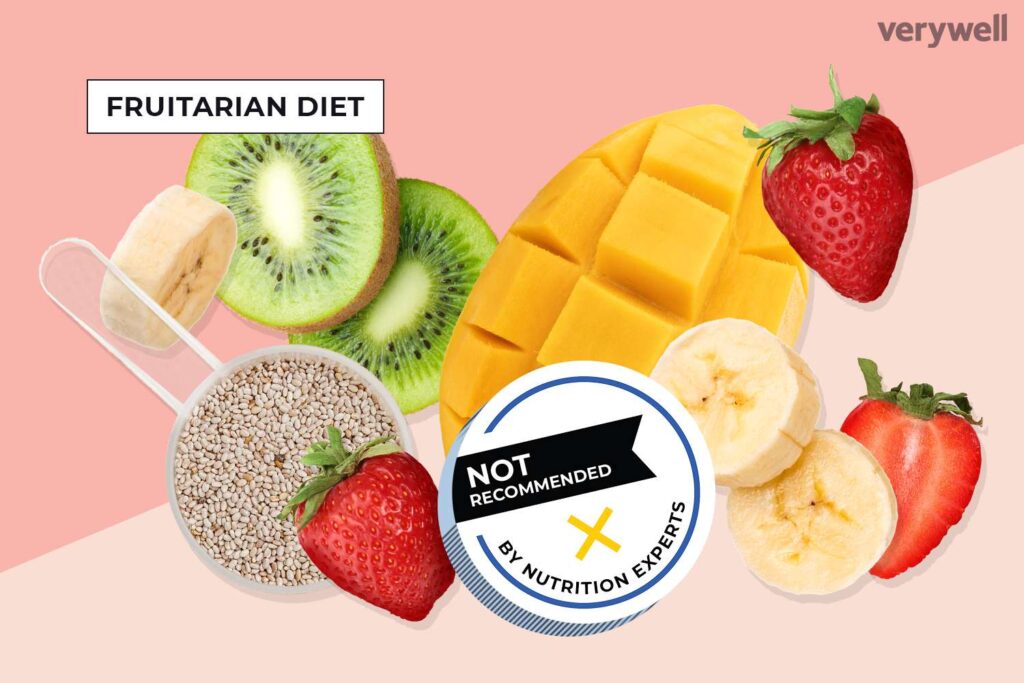
The fruttarian diet is a vegan diet that restricts itself to only fruit (fresh or dried), nuts, and seeds. This diet can be quite rigid if followed strictly, as we will see in this article.
What is the Fruttarian Diet?
The fruttarian diet is a type of vegan diet that includes only fresh or dried fruit, nuts, and seeds. This diet excludes all other categories of food. The idea behind it is to eat like our ancestors did, who primarily consumed fruits and berries, without consuming animal products.
However, the term “frutta” used in this article refers not only to common fruits like apples, bananas, and melons, but also includes vegetables that are technically a type of fruit, such as tomatoes, cucumbers, squash, and bell peppers. These vegetables contain seeds and therefore fit into the category of fruit from a botanical standpoint.
In reality, following a strictly fruttarian diet can be quite restrictive, as it excludes many essential nutrients that our bodies need to function properly. This article will explore what this diet entails, its benefits and drawbacks, and whether or not it is a healthy choice for everyone.
What Do Fruttarians Eat?
While it’s difficult to define exactly what fruttarianism means due to the variety of ways people interpret it, some common foods eaten by those who follow this diet include:
- Avocado (often considered a vegetable in cooking)
- Nuts and seeds
- Fresh fruit, including berries, citrus fruits, melons, and other seasonal produce
In reality, fruttarians often choose to exclude cooked or processed foods. Some people may also prefer only fresh, raw fruit over cooked or dried options.
The Benefits of a Fruttarian Diet
While a diet that excludes many food groups can be restrictive, there are some potential benefits to following a strictly fruttarian diet for a short period:
- High in water content and fiber
- Rich in antioxidants and minerals
- May help lower blood pressure
- May reduce the risk of certain diseases
However, it’s essential to note that this diet is not balanced or sustainable in the long term. It can lead to nutrient deficiencies, particularly in protein, healthy fats, and certain vitamins and minerals.
Drawbacks of a Fruttarian Diet
One of the main drawbacks of following a strictly fruttarian diet is its potential impact on your overall health. Some of the possible negative effects include:
- Nutrient deficiencies
- Weight loss (although not necessarily sustainable)
- Social isolation (due to dietary restrictions)
- Obsessive thinking about food and exercise
In addition, this diet can be detrimental for certain groups of people, such as:
- Pregnant women or breastfeeding mothers
- Children and adolescents
- People with pre-existing medical conditions, such as diabetes, kidney disease, or cardiovascular disease
A Balanced Diet: A Better Approach
If you’re looking to incorporate more fruits into your diet, there are healthier ways to do so. Eating a balanced diet that includes a variety of whole foods can help support overall health and well-being.
Consider the following tips:
- Eat a rainbow of colors to ensure a range of nutrients
- Include lean protein sources like nuts, seeds, and legumes
- Add healthy fats like avocado, olive oil, and fatty fish
- Drink plenty of water throughout the day
The Importance of Protein
Protein is an essential nutrient that plays a crucial role in maintaining muscle mass, bone health, and immune function. While nuts and seeds are good sources of protein, it’s essential to consume them in moderation due to their high calorie content.
If you’re following a fruttarian diet, consider supplementing with plant-based protein sources like pea protein powder or hemp protein powder to ensure you’re getting enough protein.
The Role of Healthy Fats
Healthy fats are essential for maintaining heart health and providing energy. Nuts and seeds are rich in healthy fats, but it’s also important to consume other sources like avocado, olive oil, and fatty fish.
However, be mindful of the calorie content of nuts and seeds, as consuming excessive amounts can lead to weight gain and other negative effects.
The Impact on Social Relationships
Following a fruttarian diet can be challenging due to social pressures and the need for food variety. If you’re following a restrictive diet, consider seeking support from friends and family who share similar dietary preferences.
It’s also essential to communicate with your healthcare provider or registered dietitian about any concerns or questions you may have.
Conclusion
While a strictly fruttarian diet may have some potential benefits, it is not a balanced or sustainable choice for most people. A more varied and balanced diet that includes a range of whole foods can help support overall health and well-being.
Before making any significant changes to your diet, consult with a healthcare professional or registered dietitian who can provide personalized guidance and support.
Frequently Asked Questions
-
Is the fruttarian diet a vegan diet?
Yes, the fruttarian diet is a type of vegan diet that excludes animal products. -
What are some common foods eaten by fruttarians?
Some common foods eaten by fruttarians include fresh fruit, nuts, seeds, and vegetables like avocado, cucumbers, squash, and bell peppers. -
Can I follow a fruttarian diet if I have diabetes?
No, it is not recommended to follow a strictly fruttarian diet if you have diabetes. This diet can lead to blood sugar fluctuations and other complications. -
Is the fruttarian diet suitable for pregnant women or breastfeeding mothers?
No, it is not recommended to follow a strictly fruttarian diet during pregnancy or lactation due to potential nutrient deficiencies and social isolation. -
Can I lose weight on a fruttarian diet?
While some people may experience weight loss on a fruttarian diet, this is not necessarily sustainable in the long term. A balanced diet that includes a variety of whole foods can help support overall health and well-being. -
How do I get enough protein on a fruttarian diet?
Nuts and seeds are good sources of protein, but it’s essential to consume them in moderation due to their high calorie content. -
Can I follow a fruttarian diet if I have kidney disease or other pre-existing medical conditions?
No, it is not recommended to follow a strictly fruttarian diet if you have kidney disease or other pre-existing medical conditions due to potential nutrient deficiencies and social isolation. -
How can I maintain a healthy relationship with food while following a fruttarian diet?
To maintain a healthy relationship with food while following a fruttarian diet, focus on listening to your body’s needs and eating a balanced variety of whole foods. Avoid restrictive thinking and obsessive behavior around food.


