
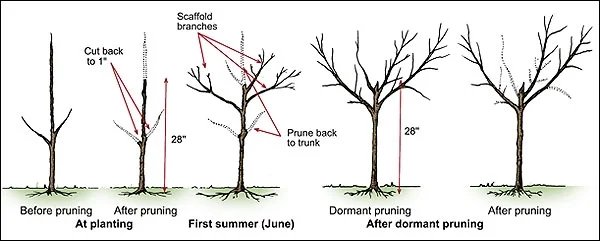
Pruning your fruit trees is an essential part of maintaining their health and promoting optimal growth. By removing select branches, you can control the tree’s size, shape, and productivity, ultimately ensuring a bountiful harvest of delicious fruits. But why prune in the first place?
Imagine walking through a lush orchard or backyard filled with vibrant trees, heavy with juicy fruit. Sounds idyllic? However, without proper pruning, these trees can become overgrown, diseased, and unproductive. Pruning is like giving your tree a haircut – it keeps it looking its best and helps it thrive.
The Benefits of Pruning Fruit Trees
Pruning your fruit trees offers numerous benefits, including:
- Improved air circulation: By removing select branches, you can promote air circulation around the tree, reducing the risk of disease and pests.
- Increased sunlight penetration: Pruning allows more sunlight to reach the inner foliage, promoting healthy growth and fruiting.
- Better fruit production: Pruning helps control the tree’s size and shape, allowing for optimal fruit production and quality.
- Extended tree lifespan: Regular pruning can help extend the lifespan of your fruit trees by removing diseased or damaged branches.
The Best Time to Prune Fruit Trees
The ideal time to prune fruit trees depends on the type of tree and its location. Generally, autumn and winter are considered the best seasons for pruning, as the tree is dormant and less susceptible to disease or pests.
Avoid pruning your fruit trees during the growing season (spring-fall), especially when they’re producing flowers or fruits. This can reduce productivity and even cause stress on the tree.
Pruning Techniques for Fruit Trees
When it comes to pruning, technique is everything. Here are some essential tips to keep in mind:
- Remove dead, diseased, or damaged branches: These can harbor disease-causing organisms and create an entry point for pests.
- Thin out the center: Remove select branches from the center of the tree to allow sunlight to reach the inner foliage, promoting healthy growth.
- Shape the canopy: Prune branches that grow outside the desired shape or size of your fruit tree.
Tips for a Successful Pruning Session
Before you start pruning, make sure you’re equipped with the right tools and knowledge. Here are some additional tips to keep in mind:
- Invest in high-quality pruning tools: A good pair of loppers, pruners, or saws can make all the difference when it comes to precision and ease.
- Wear protective gear: Gloves, safety glasses, and a dust mask will help you stay safe while working with sharp blades and debris.
- Follow proper sanitation techniques: Disinfect your tools regularly, and dispose of any clippings or debris to prevent the spread of disease.
Pruning for Maximum Yield
By pruning your fruit trees correctly, you can increase their productivity and enjoy a bountiful harvest. Here are some additional tips to keep in mind:
- Prune in late winter or early spring: This allows the tree to respond quickly to the reduced canopy, promoting new growth and fruiting.
- Avoid over-pruning: Prune only what’s necessary to maintain shape, promote air circulation, and encourage healthy growth.
Common Mistakes to Avoid While Pruning
Pruning can be a complex process, and making mistakes can have negative consequences for your tree. Here are some common mistakes to avoid:
- Over-pruning: Removing too many branches can stress the tree and reduce productivity.
- Under-pruning: Failing to remove select branches can lead to disease and pests.
- Poor sanitation techniques: Not disinfecting tools regularly or disposing of clippings and debris can spread disease.
Pruning for Maximum Yield
By pruning your fruit trees correctly, you can increase their productivity and enjoy a bountiful harvest. Here are some additional tips to keep in mind:
- Prune in late winter or early spring: This allows the tree to respond quickly to the reduced canopy, promoting new growth and fruiting.
- Avoid over-pruning: Prune only what’s necessary to maintain shape, promote air circulation, and encourage healthy growth.
Conclusion
Pruning your fruit trees is a simple yet effective way to promote optimal growth, productivity, and overall health. By following these guidelines and tips, you can enjoy a bountiful harvest of delicious fruits for years to come.
By understanding the benefits of pruning, choosing the right tools and techniques, and avoiding common mistakes, you can become a master pruner and take your fruit trees to new heights.


