
Introduction
There’s nothing quite like enjoying fresh, homegrown fruit right from your own backyard. However, with the increasing use of pesticides in modern agriculture, many people are turning to growing their own fruit trees as a healthier alternative. With the right guidance, anyone can cultivate a thriving fruit tree garden, providing delicious and nutritious produce for years to come.
Why Grow Your Own Fruit Trees?
In today’s world, where pesticides and chemical-based farming practices are on the rise, it’s essential to consider sustainable and eco-friendly ways to produce food. Growing your own fruit trees not only ensures that you’re consuming fresh, organic produce but also allows you to connect with nature and enjoy the many benefits of gardening.
Some of the advantages of growing your own fruit trees include:
- Freshness: There’s nothing quite like biting into a juicy, ripe apple or snacking on a handful of fresh berries.
- Nutrition: Fruit trees are rich in vitamins, minerals, and antioxidants that can provide numerous health benefits when consumed as part of a balanced diet.
- Cost-effective: Growing your own fruit trees can be cost-effective, especially if you purchase seedlings or saplings at a low cost.
- Connection to nature: Gardening allows you to connect with the natural world, promoting stress relief and overall well-being.
Choosing the Right Fruit Tree
With numerous varieties of fruit trees available, selecting the right one for your climate and preferences can be a daunting task. Some popular options include apple, pear, peach, and cherry trees. Before making a final decision, consider factors such as climate tolerance, growth rate, and space requirements.
When choosing a fruit tree, also keep in mind:
- Climate: Ensure the tree is suitable for your region’s temperature and humidity levels.
- Soil type: Select a tree that thrives in your soil type (acidic, alkaline, or neutral).
- Pollination: If you’re growing multiple trees of the same variety, ensure they have proper pollination requirements.
When to Plant Your Fruit Tree
The ideal time to plant a fruit tree is during the autumn season, when the weather is cooler and rainfall is more consistent. This allows the tree to establish a strong root system before winter, ensuring optimal growth in spring. In regions with harsh winters, consider using mulch or other protective measures to shield your tree from extreme temperatures.
Before planting, also ensure:
- Soil preparation: Prepare the soil by removing any debris or weeds.
- Tree health: Inspect the tree for any signs of damage or disease before planting.
Where to Plant Your Fruit Tree
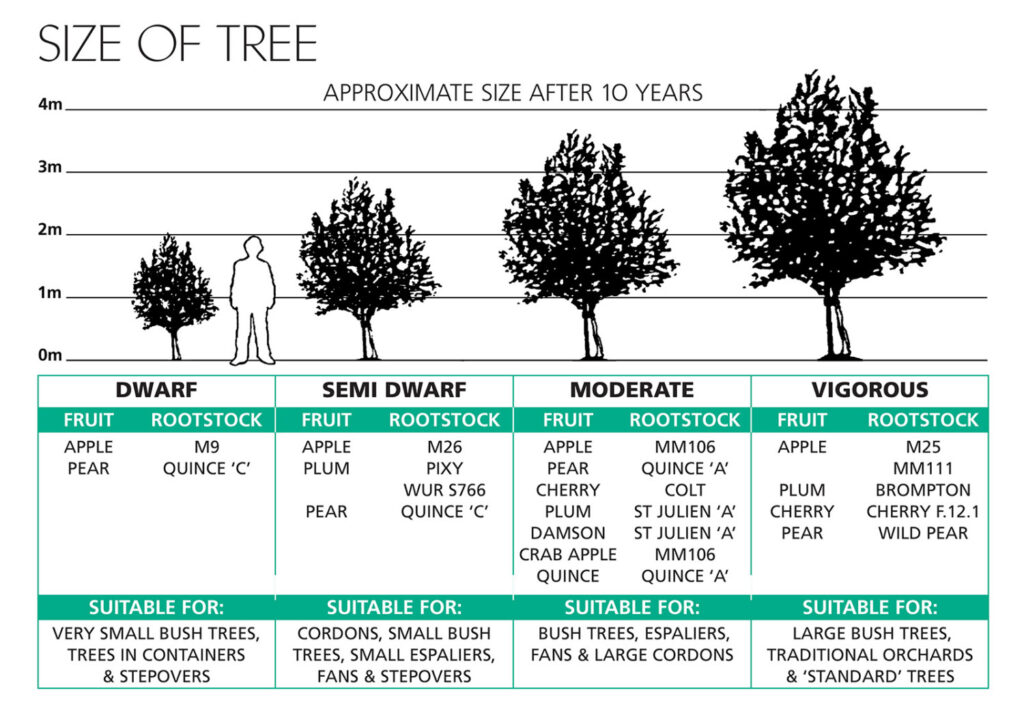
When selecting a location for your fruit tree, keep in mind the amount of sunlight and space it will require as it grows. Consider the following factors:
- Sunlight: Most fruit trees prefer full sun to partial shade, depending on the variety.
- Space: Leave enough room between trees to allow for proper growth and air circulation.
When planting your tree, also ensure that the location is:
- Level: Plant the tree at the same level as the surrounding soil to prevent waterlogged roots.
- Well-ventilated: Provide adequate space for air circulation to prevent disease.
The Planting Process
To ensure a successful planting process, follow these steps:
- Prepare the soil by removing any debris or weeds.
- Dig a hole that’s twice as wide and just as deep as the tree’s root ball.
- Add organic matter such as compost or manure to improve soil quality.
- Gently remove the tree from its container and place it in the prepared hole.
- Fill in the hole with soil, tamping it down gently as you go to prevent air pockets.
Caring for Your Fruit Tree
Proper care is essential for a healthy and thriving fruit tree. Here are some tips to keep in mind:
- Watering: Water your tree regularly during its first year of growth, but avoid overwatering.
- Fertilization: Feed your tree with a balanced fertilizer in the early growing season.
- Pruning: Prune your tree annually to maintain its shape and promote healthy growth.
Common Challenges and Solutions
While growing a fruit tree can be rewarding, it’s not without its challenges. Here are some common issues and solutions:
- Pests and diseases: Regularly inspect your tree for signs of pests or disease, and take action promptly if you notice any problems.
- Nutrient deficiencies: Monitor your tree’s nutrient levels and adjust your fertilization schedule accordingly.
By following these guidelines and tips, anyone can successfully grow a thriving fruit tree garden, providing delicious and nutritious produce for years to come. Happy gardening!
FAQs
Q: What is the best time of year to plant a fruit tree?
A: The ideal time to plant a fruit tree is during the autumn season, when the weather is cooler and rainfall is more consistent.
Q: How often should I water my fruit tree?
A: Water your tree regularly during its first year of growth, but avoid overwatering.
Q: What type of fertilizer should I use for my fruit tree?
A: Use a balanced fertilizer that’s specifically formulated for fruit trees.
Q: How often should I prune my fruit tree?
A: Prune your tree annually to maintain its shape and promote healthy growth.
Q: What are some common pests and diseases that affect fruit trees?
A: Regularly inspect your tree for signs of pests or disease, and take action promptly if you notice any problems.
Q: Can I grow a fruit tree in a container?
A: Yes, but ensure the container is large enough to accommodate the tree’s root system.
Q: How long does it take for a fruit tree to produce fruit?
A: The time it takes for a fruit tree to produce fruit depends on the variety and growing conditions.


