
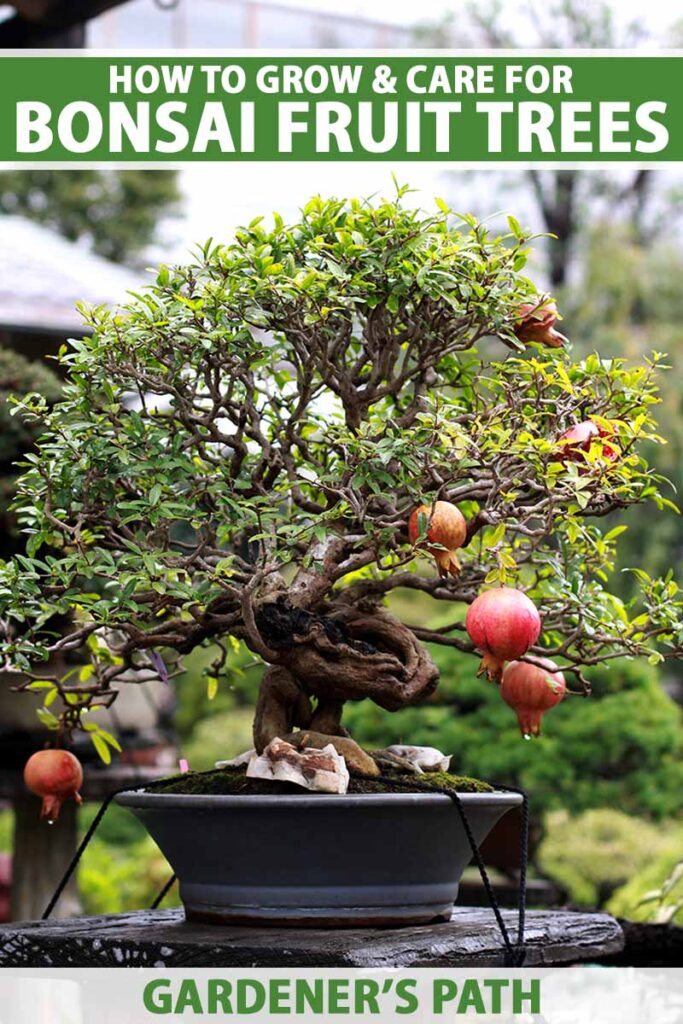
As more and more people express their passion for fruit bonsai, it’s clear that there are numerous compelling reasons to pursue this hobby. So, if you’re already intrigued by the idea of growing your own fruit bonsai, let’s dive into the world of these miniature trees.
Why Bonsai Fruit Trees?
Before we begin our journey into the world of fruit bonsai, it’s essential to ask ourselves why we want to cultivate one. Are you looking for a beautiful decorative piece to adorn your living room, or do you desire fresh fruit at your fingertips? Understanding your motivations will help us navigate the challenges and joys of growing a fruit bonsai.
The Similarities between Fruiting and Non-Fruiting Bonsai
One common misconception about fruit bonsai is that they can be consumed. While it’s true that fruit trees can produce delicious fruits, it’s crucial to remember that the primary goal of cultivating a bonsai is not to harvest bountiful crops. In fact, the focus shifts from producing large, abundant fruits to creating a balanced and aesthetically pleasing tree.
The reason for this shift lies in the natural growth habits of fruit trees. Unlike non-fruiting trees, which can be trained to produce smaller, more manageable branches, fruit trees have a tendency to grow larger and more vigorous over time. This makes it challenging to maintain a small, compact shape. As a result, bonsai fruit trees require careful pruning and training to achieve the desired size and shape.
Which Fruits Can Be Grown as Bonsai?
Not all fruits are suitable for cultivation as bonsai. Some species, like citrus and melons, can thrive in indoor environments with sufficient light and care. However, others, such as apples and pears, require more space and specific climate conditions to flourish.
If you’re interested in growing a fruit bonsai, consider the following popular varieties:
- Apples: Dwarf apple trees or dwarf varieties of apple trees (Malus domestica) can make excellent bonsai. They produce small, edible fruits and have a compact growth habit.
- Pears: Pears (Pyrus communis) are another popular choice for bonsai cultivation. Their small size, paired with their delicate flowers and fruit, make them an attractive option.
- Plums: Plum trees (Prunus domestica) can be trained to produce small, edible fruits. They have a naturally compact growth habit, making them well-suited for bonsai cultivation.
Caring for Your Fruit Bonsai
To keep your fruit bonsai thriving, it’s essential to provide the right environment and care. Here are some tips to get you started:
- Lighting: Most fruit trees require bright, indirect light to photosynthesize and produce fruits. Make sure your bonsai receives sufficient natural or artificial lighting.
- Watering: Fruit trees need consistent moisture, especially when they’re young. Avoid overwatering, which can lead to root rot and other issues.
- Fertilization: Feed your bonsai with a balanced fertilizer during the growing season (spring-fall) to promote healthy growth and fruit production.
Pruning Techniques for Fruit Bonsai
Proper pruning techniques are crucial for maintaining the shape, size, and health of your fruit bonsai. Here are some tips:
- Root Pruning: Prune the roots of your tree to control its size and prevent overgrowth. This should be done during the dormant season (winter-spring).
- Branch Pruning: Regularly prune branches to maintain a balanced shape and encourage new growth.
- Leaf Pruning: Remove dead or damaged leaves to keep your bonsai looking healthy and well-maintained.
Propagation Techniques for Fruit Bonsai
If you want to create a new fruit bonsai, you can use the following propagation techniques:
- Grafting: Grafting involves joining a piece of stem (called a scion) from one tree onto the root system of another tree (called a rootstock). This method allows for more precise control over the resulting tree’s characteristics.
- Cutting: Cutting involves taking a section of stem or branch from your existing bonsai and planting it in a new location. This method can be slower than grafting, but it allows for more flexibility.
Common Challenges Faced by Fruit Bonsai Growers
As with any type of bonsai, there are certain challenges that fruit growers may face:
- Root Rot: Overwatering or poor drainage can lead to root rot in your tree. This is a serious issue that can be difficult to treat.
- Pests and Diseases: Fruit trees are susceptible to pests like aphids and spider mites, as well as diseases such as fungal infections. Regular monitoring and maintenance can help prevent these issues.
- Environmental Factors: Weather conditions, soil quality, and nearby pollution can all impact the health and growth of your tree.
Conclusion
Growing a fruit bonsai requires patience, dedication, and attention to detail. By understanding the unique challenges and rewards of cultivating a fruit tree as a bonsai, you can create a beautiful and thriving miniature garden that brings joy and freshness to your life.
Frequently Asked Questions
Q: Can I eat the fruits from my bonsai?
A: While some fruit trees produce edible fruits, it’s essential to ensure that they’re safe for consumption. Some species, like apples and pears, can be eaten raw or cooked, while others may require cooking or processing before being consumed.
Q: How often should I water my fruit bonsai?
A: The frequency of watering depends on the specific tree species, climate, and soil type. As a general rule, aim to provide consistent moisture, avoiding overwatering that can lead to root rot and other issues.
Q: Can I propagate my fruit bonsai from cuttings or grafting?
A: Yes, you can propagate your fruit bonsai using cuttings or grafting techniques. However, it’s essential to research the specific propagation methods for your tree species to ensure success.
Q: How long does a fruit bonsai take to mature?
A: The maturation period of a fruit bonsai depends on the tree species, climate, and growing conditions. Some fruit trees can produce fruits within 2-3 years, while others may take 5-10 years or more to reach maturity.
Q: Can I grow multiple fruit trees as bonsai together?
A: Yes, you can grow multiple fruit trees as bonsai together, provided they have compatible growing conditions and space requirements. However, it’s crucial to research the specific needs of each tree species to ensure success.
Q: How often should I prune my fruit bonsai?
A: Regular pruning is essential for maintaining a healthy and balanced shape in your fruit bonsai. Prune your bonsai during the dormant season (winter-spring) to avoid stressing the tree.
Q: Can I grow fruit bonsai indoors or outdoors?
A: Fruit trees can be grown both indoors and outdoors, depending on the climate and space requirements of the specific species. If you’re growing a fruit bonsai indoors, ensure it receives sufficient light and has adequate air circulation.
By answering these frequently asked questions and following the guidelines outlined in this article, you’ll be well on your way to creating a thriving and rewarding fruit bonsai experience. Happy growing!


