
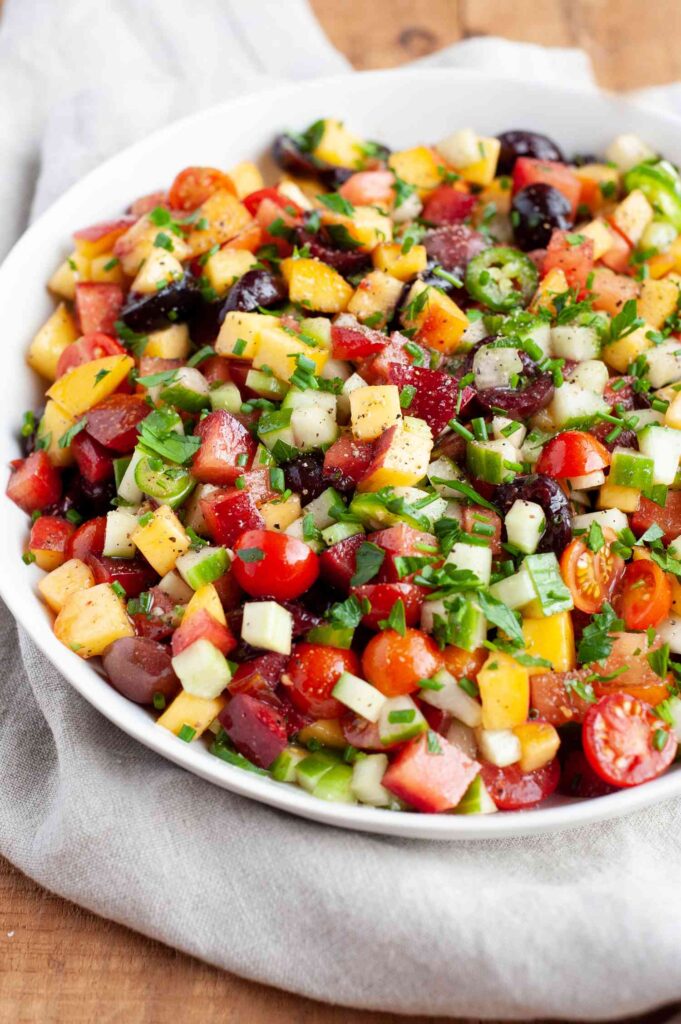
As the summer months approach, it’s essential to prioritize our diets, focusing on foods rich in vitamins and minerals. Leafy greens and fruits are perfect for a nutritious meal, but make sure to consume them in season to maximize their flavor and benefits. In other words, fresh produce is the key to good health, beauty, and overall well-being.
The Importance of Fresh Produce
In recent years, we’ve learned that consuming at least 400g of fruits and vegetables daily can help prevent chronic diseases such as cancer, diabetes, and obesity. By combining different colors of produce, you’ll reap the benefits of all their nutrients. This is why summer salads become an ideal choice for the season.
The Benefits of Eating Seasonal Produce
Eating seasonal produce has numerous benefits. Not only will you get to enjoy fruits and vegetables at their peak flavor and nutritional value, but you’ll also be supporting local farmers and reducing your carbon footprint. By choosing seasonal ingredients, you’ll also reduce the risk of foodborne illnesses associated with imported produce.
Seasonal Produce: What’s in Season During Summer?
Summer is a great time to enjoy a wide variety of fresh fruits and vegetables. Some of the most popular summer produce includes:
- Stone fruits like peaches, nectarines, and plums
- Berries like strawberries, blueberries, raspberries, and blackberries
- Leafy greens like lettuce, spinach, and kale
- Cruciferous vegetables like broccoli, cauliflower, and Brussels sprouts
- Corn and other summer squash
Summer Salads: A Seasonal Delight
A summer salad is a perfect blend of fresh fruits and vegetables, offering an array of flavors and textures that will keep your taste buds engaged throughout the season. Whether you’re looking to create a light and refreshing meal or a more substantial dinner option, a summer salad can be tailored to suit any occasion.
The Ultimate Summer Salad Recipe
To make the perfect summer salad, you’ll need the following ingredients:
- 1 head of lettuce (iceberg or mixed greens)
- 1 cucumber
- 1/4 cup of chopped fresh herbs (such as parsley, basil, or dill)
- 2 cups of mixed berries (strawberries, blueberries, raspberries, blackberries)
- 1 cup of sliced peaches
- 1 cup of diced pineapple
- 1/4 cup of crumbled feta cheese
- 1/4 cup of chopped walnuts
- 2 tablespoons of olive oil
- 1 tablespoon of honey
- Salt and pepper to taste
Step-by-Step Instructions
To prepare the perfect summer salad, follow these steps:
- Wash and dry all the ingredients thoroughly.
- Slice the peaches and pineapple into thin pieces.
- Chop the mixed herbs and crumble the feta cheese.
- In a large bowl, combine the mixed greens, sliced peaches, and chopped herbs.
- Top with diced cucumber, mixed berries, crumbled feta cheese, and chopped walnuts.
- Drizzle olive oil and honey over the salad and sprinkle with salt and pepper to taste.
The Benefits of Summer Salads
Incorporating summer salads into your diet offers numerous benefits, including:
- High antioxidant content
- Rich in vitamins A, C, and K
- Low calorie count
- Supports healthy digestion
- Promotes weight loss
By choosing fresh produce and combining different colors, you’ll be able to reap the benefits of all their nutrients. Summer salads are not only delicious but also offer a range of health benefits that can enhance your overall well-being.
Tips for Preparing the Perfect Summer Salad
Here are some additional tips for preparing the perfect summer salad:
- Choose seasonal fruits and vegetables for optimal flavor and nutritional value.
- Experiment with different herbs and spices to add unique flavors to your salad.
- Consider adding nuts or seeds for added crunch and nutrition.
- Don’t be afraid to get creative and try new combinations of ingredients.
Common Questions about Summer Salads
Here are some frequently asked questions about summer salads:
- What’s the best way to store fresh produce?
Storing fruits and vegetables properly can help maintain their freshness and nutritional value. Make sure to keep them away from direct sunlight, heat sources, and moisture. - Can I make a summer salad ahead of time?
While it’s recommended to prepare salads just before serving, you can also prepare individual components like chopped herbs or sliced fruits in advance. Simply combine the ingredients just before serving. - How do I choose the right greens for my salad?
Iceberg lettuce is a popular choice for summer salads, but feel free to experiment with other types of leafy greens like kale, spinach, or arugula. -
Can I add protein to my summer salad?
Adding protein sources like grilled chicken, salmon, or tofu can help make your salad more substantial and satisfying. -
What’s the best way to handle food safety when preparing a summer salad?
When handling fresh produce, always wash your hands thoroughly before touching the ingredients. Make sure to store any leftover salads in a sealed container and consume them within a day or two of preparation. - Can I customize my summer salad with different flavors and spices?
Absolutely! Summer salads are perfect for experimenting with unique flavor combinations and spices. Don’t be afraid to try new herbs, spices, or dressings to find the perfect taste.
Summer Salad Variations: Try Something New
If you’re looking to mix things up, here are some summer salad variations you might enjoy:
- Grilled Peach Salad: Top mixed greens with grilled peaches, crumbled feta cheese, and chopped walnuts.
- Spicy Pineapple Salad: Combine mixed greens with diced pineapple, red onion, jalapeno peppers, and a drizzle of honey.
- Summer Fruit Salad: Mix together seasonal fruits like strawberries, blueberries, raspberries, and blackberries with a dollop of whipped cream or yogurt.
Summer Salads for Different Diets
Here are some summer salad variations that cater to different dietary needs:
- Vegan Summer Salad: Combine mixed greens with roasted vegetables, nuts, and seeds. Try using vegan-friendly dressings like balsamic vinaigrette.
- Gluten-Free Summer Salad: Choose gluten-free ingredients like quinoa, brown rice, or corn. Add protein sources like grilled chicken or salmon for added nutrition.
- Low-Carb Summer Salad: Mix together mixed greens with roasted vegetables, nuts, and seeds. Avoid adding high-carb ingredients like croutons or heavy dressing.
By incorporating summer salads into your diet, you’ll be able to reap the benefits of fresh produce while enjoying a range of delicious flavors and textures. Whether you’re looking for a light and refreshing meal or a more substantial dinner option, a summer salad can be tailored to suit any occasion.


