
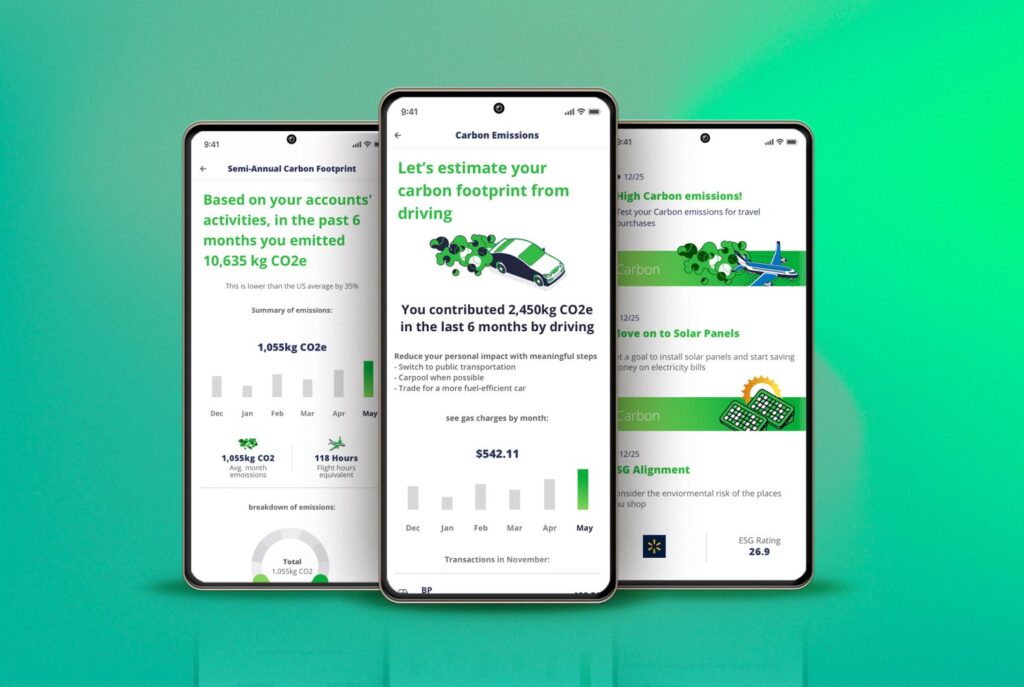
As we strive to build a more sustainable future, the financial sector plays a crucial role in supporting eco-friendly initiatives. Green banking, which refers to the sensitivity of the financial system towards environmentally friendly economic development, is essential for driving growth while minimizing harm to the environment. In this article, we will explore the importance of green rating within green banking and its potential to unlock sustainable growth.
The Need for Collaboration
In the world of green economy, banks and businesses must work together to trust each other without risking their reputations. This requires a fundamental shift in how they operate, from mere transactions to a more nuanced understanding of each other’s strengths and weaknesses. A green rating, which evaluates an enterprise’s environmental performance, is essential for facilitating access to credit.
The Importance of Green Rating
A green rating serves as a catalyst for growth, providing a comprehensive assessment of an enterprise’s environmental impact. This not only benefits the environment but also enhances the credibility and reputation of businesses seeking funding. The four sectors of green economy with potential to drive economic development are energy efficiency and renewable energy, tourism, agriculture, and real estate.
The Evolution of Green Rating Systems
The green rating system has undergone significant transformations in recent years. From a solely quantitative approach based on financial metrics to a more comprehensive evaluation that considers qualitative factors such as innovative projects and sustainable investments. This shift recognizes the importance of environmental performance in driving economic growth.
Key Challenges and Opportunities
The implementation of green rating systems poses two primary challenges:
- Financial Institutions’ Adaptation: Financial institutions must evolve to understand and value the potential of green sectors, which are often characterized by innovative technologies and sustainable practices.
- Enterprise Capacity Building: Businesses must develop the necessary skills and expertise to create high-quality environmental reports and meet the requirements of green rating systems.
The Role of Green Banking in Unlocking Sustainable Growth
Green banking plays a pivotal role in facilitating access to credit for enterprises with environmentally friendly projects. By understanding the technical nuances and economic implications of green investments, financial institutions can provide more effective support to businesses seeking funding.
Conclusions and FAQs
In conclusion, the intersection of green banking and green rating holds immense potential for driving sustainable growth. As we move forward, it is essential that financial institutions, businesses, and governments collaborate to create a more environmentally conscious economy.
Frequently Asked Questions (FAQs)
- What is green banking?
Green banking refers to the sensitivity of the financial system towards environmentally friendly economic development. - Why is green rating important?
A green rating provides a comprehensive assessment of an enterprise’s environmental performance, enhancing credibility and reputation. - Which sectors have potential for sustainable growth?
The four sectors with potential are energy efficiency and renewable energy, tourism, agriculture, and real estate. - How has the green rating system evolved?
The system has shifted from a solely quantitative approach to a more comprehensive evaluation considering qualitative factors. - What challenges do financial institutions face in implementing green rating systems?
Financial institutions must adapt to understand and value the potential of green sectors, while businesses must develop necessary skills and expertise. - How can green banking facilitate access to credit for environmentally friendly projects?
By understanding technical nuances and economic implications of green investments, financial institutions can provide more effective support to businesses seeking funding. - What is the role of government in promoting sustainable growth through green banking?
Governments should create policies and regulations that encourage collaboration between financial institutions and businesses to drive environmentally conscious economic development. - Can green rating systems be applied to small and medium-sized enterprises (SMEs)?
Yes, green rating systems can be adapted to meet the needs of SMEs, providing them with access to credit and support for sustainable growth.
Unlocking Sustainable Growth: Strategies and Best Practices
To unlock sustainable growth through green banking and green rating, several strategies and best practices can be employed:
- Develop a Green Rating Framework: Create a comprehensive framework that evaluates an enterprise’s environmental performance, considering both quantitative and qualitative factors.
- Provide Training and Capacity Building: Offer training and capacity-building programs to businesses, enabling them to develop the necessary skills and expertise for green rating systems.
- Encourage Collaboration: Foster collaboration between financial institutions and businesses, promoting a culture of trust and understanding.
- Develop Green Financing Mechanisms: Establish green financing mechanisms that provide access to credit for environmentally friendly projects, facilitating sustainable growth.
Conclusion
In conclusion, the intersection of green banking and green rating holds immense potential for driving sustainable growth. By adopting strategies and best practices, such as developing a green rating framework, providing training and capacity building, encouraging collaboration, and developing green financing mechanisms, financial institutions, businesses, and governments can collaborate to create a more environmentally conscious economy.
Recommendations for Future Research
To further advance the understanding of green banking and green rating, future research should focus on:
- Evaluating the Impact of Green Rating Systems: Conduct studies to assess the effectiveness of green rating systems in driving sustainable growth.
- Developing a Comprehensive Green Rating Framework: Create a framework that evaluates an enterprise’s environmental performance, considering both quantitative and qualitative factors.
- Investigating the Role of Government Policies: Examine the impact of government policies on promoting sustainable growth through green banking and green rating.
By continuing to advance our understanding of green banking and green rating, we can unlock sustainable growth and create a more environmentally conscious economy for future generations.


