
The Global Battle for the Environment: From China to Amazonia, and from Tirana
Imagine a world where breathing the air becomes a risk to one’s health, and once lush forests are disappearing at an alarming rate. This is not a dystopian vision of the future; it’s a harsh reality we face today.
In this article, we’ll explore two of the most pressing threats to our planet: pollution and deforestation. We’ll delve into their impact on biodiversity, climate stability, and human health, as well as highlight initiatives from countries around the world that are working tirelessly to protect the environment.
The Global Problem: Pollution and Deforestation
In Asia, China and India are battling a daily struggle against air quality levels that consistently exceed international standards. This not only compromises air quality but also has severe consequences for public health, leading to respiratory and cardiovascular diseases.
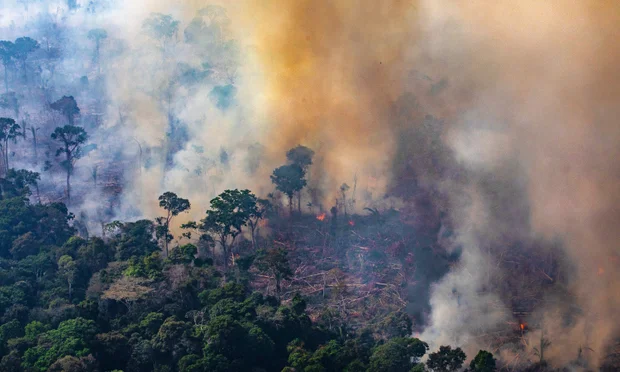
Meanwhile, in South America, Brazil is facing an unprecedented deforestation crisis. The Amazon rainforest, often referred to as the lungs of the planet, is being cleared to make way for pastures and agricultural land. This destruction puts countless animal and plant species at risk and significantly contributes to rising CO2 emissions.
Italy’s Environmental Efforts: A Balanced Approach
In Italy, combating pollution and environmental degradation is tackled through rigorous policies and innovative projects. The country has seen numerous reforestation programs and urban green space revitalization initiatives. These efforts are vital in a nation where natural beauty and biodiversity are considered national treasures that must be preserved for future generations.
However, despite these efforts, challenges remain significant due to the dense industrial presence and the need to balance economic growth with sustainability. Italy’s approach serves as a model for other countries, demonstrating that environmental protection can go hand-in-hand with development.
Tirana’s Ambitious Plan: 2 Million Trees for the City
In contrast to many other countries where environmental initiatives may be fragmented or insufficient, Tirana is showcasing a commitment to concrete action. The city’s mayor, Erion Veliaj, has launched an ambitious initiative called “2 million trees for Tirana”. With a population of approximately 1 million residents, the goal is to plant two trees for every citizen, exceeding the initial ambition set several years ago by more than 20 times.
This move reflects a growing commitment towards urban sustainability and the fight against urban sprawl that has characterized recent decades. The initiative has also garnered support from prominent figures such as Alfred Moisiu (former president), Ardit Gjebrea (cantaloupe singer), and Skerdi Faria (doctor and entrepreneur). These individuals have contributed to the cause by donating trees and green infrastructure for the city.
International Participation: A Young Generation’s Impact
This year, the initiative has gained international recognition through the participation of 25 young Italians, who traveled to Tirana to support this environmental cause. Together with their friend Giorgio Faria (also known as George), they planted 18 trees on his 18th birthday, symbolizing their dedication and friendship, showcasing how passion for the environment can unite people and create a greener future for all.
Case Study: China’s Pollution Crisis
China has long struggled with severe air pollution, particularly in cities like Beijing and Shanghai. The pollutants emitted from industrial activities, vehicle exhaust, and coal-fired power plants have led to widespread respiratory problems and cardiovascular disease. The Chinese government has implemented various policies to combat pollution, including increasing energy efficiency standards for industries, promoting cleaner transportation options, and investing in renewable energy sources.
Despite these efforts, the impact of pollution on human health remains a pressing concern. According to data from the World Health Organization (WHO), air pollution is responsible for an estimated 3 million premature deaths worldwide each year, with China accounting for nearly half of those fatalities.
The Amazon Rainforest: A Critical Ecosystem
The Amazon rainforest is one of the most biodiverse ecosystems on the planet, housing over 10% of all known plant and animal species. However, the Amazon is under threat from deforestation, primarily driven by agricultural expansion, livestock grazing, and logging. The destruction of the rainforest not only contributes to climate change but also has devastating impacts on local communities, indigenous peoples, and wildlife.
The Brazilian government has been criticized for its handling of the deforestation crisis, with some arguing that the country’s environmental policies are insufficient to address the scale of the problem. However, there are efforts underway to restore the Amazon rainforest through reforestation programs, sustainable agriculture practices, and community-led conservation initiatives.
A Global Response: United Nations Environmental Programme
The United Nations Environment Programme (UNEP) plays a crucial role in addressing global environmental challenges. UNEP works with governments, international organizations, and civil society to develop policies, promote research, and provide technical assistance on issues like climate change, biodiversity loss, and pollution.
One of the key initiatives launched by UNEP is the Clean Seas campaign, aimed at reducing marine litter and promoting sustainable consumption patterns. The campaign encourages individuals, businesses, and governments to take action against plastic waste, with a focus on ocean cleanup efforts, waste management infrastructure development, and education programs.
Sustainable Development Goals: A Framework for Action
The Sustainable Development Goals (SDGs) adopted by the United Nations in 2015 provide a framework for addressing global environmental challenges. The SDGs emphasize the importance of sustainable development, peace, prosperity, people, planet, and partnership.
While significant progress has been made in achieving some of the SDGs, there remains much work to be done. For example, Goal 6 (Clean Water and Sanitation) requires immediate attention, particularly in regions where access to clean water is limited or non-existent.
The Role of Education in Environmental Sustainability
Education plays a critical role in promoting environmental sustainability. By incorporating environmental education into school curricula, individuals can develop the knowledge and skills necessary to make informed choices about their daily lives.
Moreover, education can empower communities to take action against environmental degradation. For instance, community-led conservation initiatives that involve local residents in decision-making processes have been shown to be effective in protecting natural resources and promoting sustainable livelihoods.
Conclusion
The battle for our planet’s environment is far from over. However, through concerted efforts like Tirana’s ambitious reforestation program, we see hope in the ability of nations to work together towards sustainability and environmental protection.
As we move forward, it is imperative that we learn from each other’s successes and challenges. The fight against pollution and deforestation requires a multifaceted approach that includes policy changes, technological innovation, and community engagement. Together, we can create a more environmentally conscious world for generations to come.
Frequently Asked Questions
-
What are the primary threats to biodiversity and climate stability?
Pollution and deforestation pose significant threats to both biodiversity and climate stability, as they lead to severe health issues for humans and animals, contribute to climate change through CO2 emissions, and compromise natural ecosystems. -
Which countries are leading the way in environmental protection efforts?
Countries like Tirana demonstrate a commitment to sustainable urban development and green space revitalization. -
How can individuals make a difference in the fight against pollution and deforestation?
Individual actions such as reducing carbon footprints, engaging in local reforestation initiatives, and supporting organizations dedicated to environmental causes can contribute significantly to mitigating these issues. -
What role do governments play in combating pollution and deforestation?
Governments are crucial in implementing policies that encourage sustainable practices, enforcing regulations, and investing in green technologies. -
Can urban areas be made greener without sacrificing economic growth?
Yes, with careful planning and innovative solutions, cities can become more sustainable without hindering development. This includes reforestation programs, green infrastructure projects, and public transportation initiatives. -
What is the impact of deforestation on global CO2 emissions?
Deforestation contributes significantly to CO2 emissions due to the destruction of forests that otherwise absorb carbon dioxide from the atmosphere. -
Can pollution be reversed through technological advancements?
Technological innovations can help reduce pollution levels but do not fully reverse their effects. A combination of technological progress, policy changes, and individual actions is needed for sustainable environmental protection. -
Why are climate change and biodiversity loss considered pressing global issues?
Climate change and biodiversity loss are critical because they threaten human survival, the health of ecosystems, and the economic stability of nations worldwide.


