
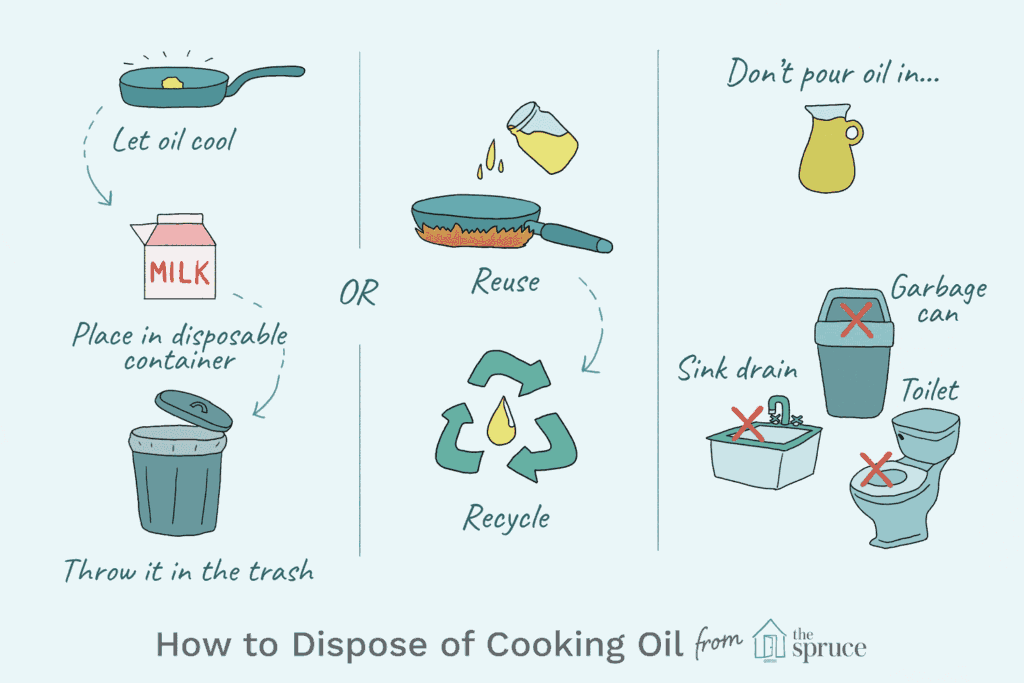
As we strive to reduce our environmental footprint, it’s essential to understand the importance of proper waste disposal. In this article, we’ll explore the process of disposing of used cooking oil, including methods for collection and recycling.
Why Properly Dispose of Used Cooking Oil?
Used cooking oil is a valuable resource that can be repurposed or recycled. However, if not disposed of correctly, it can contaminate soil, waterways, and wildlife habitats. The good news is that many municipalities have implemented programs to collect and recycle used cooking oil.
The Impact of Improper Disposal
Improper disposal of used cooking oil can lead to a range of environmental problems:
- Air pollution: Burning or disposing of used cooking oil in the trash can release toxic fumes into the air, contributing to air pollution.
- Water contamination: Used cooking oil can contaminate waterways if not disposed of properly, posing risks to aquatic life and human health.
- Soil pollution: Leaking used cooking oil can contaminate soil, affecting plant growth and ecosystem balance.
The Benefits of Recycling Used Cooking Oil
Recycling used cooking oil is a simple yet effective way to reduce waste and minimize environmental harm. By recycling used cooking oil, we can:
- Conserve resources: Recycling used cooking oil reduces the need for virgin oils and fuels, conserving natural resources.
- Reduce greenhouse gas emissions: Producing new oils requires energy-intensive processes that emit greenhouse gases, contributing to climate change. Recycling used cooking oil helps reduce these emissions.
- Create jobs: The recycling industry supports local economies, creating jobs and stimulating economic growth.
Choosing the Right Container for Used Cooking Oil
Instead of purchasing specialized containers, consider reusing old detergent bottles with tight-fitting lids. This eco-friendly approach will help reduce waste and minimize environmental impact.
Preparing for Disposal: Essential Steps
To ensure a smooth disposal process, follow these steps:
- Wait until the oil has cooled: Allow the used cooking oil to reach room temperature before proceeding.
- Transfer the oil to a clean container: Use a container with a wide mouth to make pouring easier.
- Dispose of the used cooking oil responsibly: Take the container to an accepted collection facility, such as your local recycling center or an eco-friendly dump.
Alternative Disposal Options
In addition to recycling centers, you can also consider the following alternatives:
- Contact local authorities: Reach out to your municipality to inquire about their used cooking oil collection program.
- Partner with local restaurants: Many restaurants and pubs may accept used cooking oil for recycling or reuse.
- Consider using a community collection bin: Some communities have designated bins for collecting used cooking oil, making it easier to dispose of responsibly.
The Recycling Process
When recycling used cooking oil, follow these steps:
- Filter the oil: Strain the used cooking oil through a cheesecloth or paper towel to remove any contaminants.
- Clean and sanitize containers: Clean and sanitize any containers you’ll be using for storing or transporting the recycled oil.
- Dispose of contaminants: Remove any solid contaminants from the oil, such as food particles or debris.
Creative Ways to Reuse Used Cooking Oil
While recycling is essential, you can also explore alternative uses for used cooking oil:
- Frying new dishes: Filtered used cooking oil can be reused for frying vegetables, meats, or other foods.
- Cleaning tools: Use used cooking oil as a lubricant for gardening tools or machinery.
- Lighting: Mix used cooking oil with wax to create a homemade candle.
- Animal feed: Used cooking oil can be repurposed as animal feed.
Additional Resources
For more information on recycling and reusing used cooking oil, check out our related articles:
- How to Dispose of Cooking Oil
- How to Recover Used Vegetable Oil
- Eco-Friendly Alternatives to Traditional Oils
By understanding the importance of proper waste disposal and exploring creative ways to reuse used cooking oil, we can contribute to a more sustainable future.


