
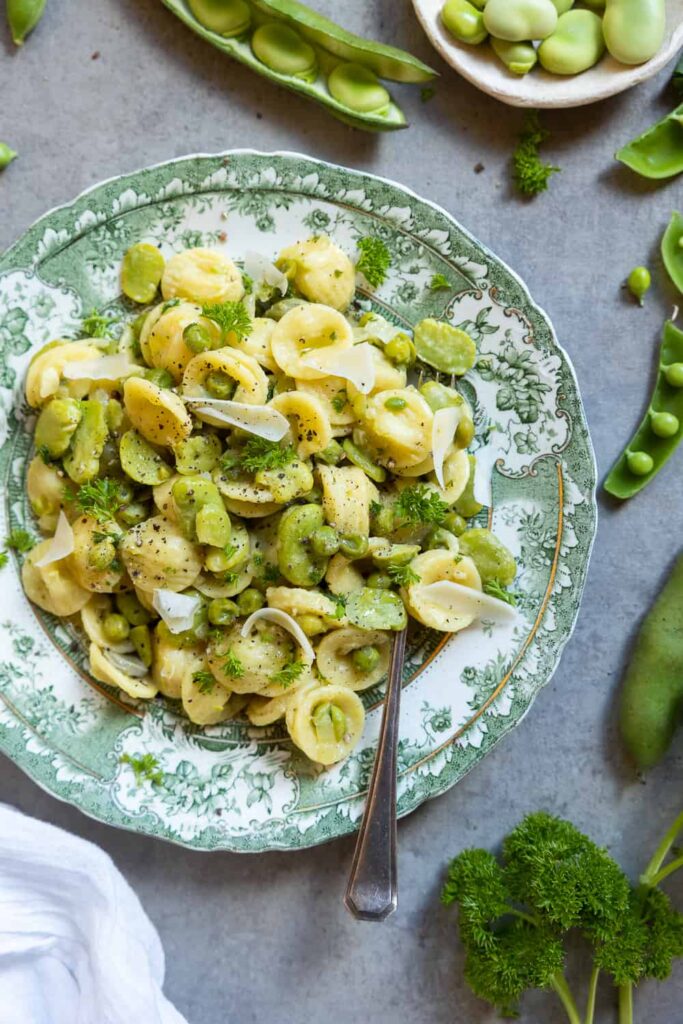
Today, we’ll be preparing a delicious fresh pasta dish with fava beans. In the menu for the day, you can sign this dish under “quadrucci con le fave”, which was once a simple recipe made with leftover pasta scraps from cannelloni and lasagna production. This is why it’s called “quadrucci”, as the pasta we’ll be preparing will have a deliberately irregular shape that makes waste less likely today.
The History of Quadrucci
Quadrucci originated as a recipe that utilized leftover pasta scraps from cannelloni and lasagna production. The name comes from the fact that these scraps were irregularly shaped, making it easier to use them up. Today, we can create this dish using fresh, high-quality ingredients and still enjoy the same benefits of reduced waste.
The Benefits of Fresh Pasta
Making your own pasta from scratch allows you to control the ingredients and portion sizes, making it a healthier option compared to store-bought pasta. Additionally, homemade pasta is often lower in calories and higher in nutrients than commercial versions.
Tips for Making Perfect Pasta
When working with fresh pasta, it’s essential to handle it gently to avoid breaking or tearing. To achieve the perfect texture, you should also aim for a smooth, even dough before stretching and cutting it.
Ingredients for 4 People
For fresh pasta, you’ll need:
- 3 whole eggs
- 300g of biodynamic flour
For the condiment, you’ll need:
- 300g of canned tomatoes
- 100g of cooked prosciutto
- 2 tablespoons of extra virgin olive oil
- Salt and pepper to taste
- 800g of small fava beans
- 1 onion
- 6 leaves of fresh mint
Preparing the Pasta
We’ll start by mixing the flour with eggs until we get a smooth dough that needs to rest for 20 minutes under a clean kitchen cloth. The pasta will then be stretched out to create a thin sheet, and cut into strips about 2 centimeters long. These strips will be cut again to form irregular squares, called “quadrucci”. The fresh pasta should then be left to dry on a well-infarinated cutting board.
Preparing the Condiment
Next, we’ll start preparing the condiment by finely chopping onion and mint. The mixture should be sautéed in a large pan with olive oil until softened after 5 minutes. At this point, prosciutto can be added to the pan, cut into small pieces along with a cup of water, canned tomatoes, and fresh fava beans. The cooking time will take about an hour, during which we’ll add more water as needed. We’ll season with salt and pepper to taste before adding the “quadrucci” pasta until they’re fully cooked.
The Role of Fava Beans
Fava beans are a delicious and nutritious addition to this dish. They’re high in protein, fiber, and vitamins, making them an excellent choice for vegetarians and vegans. The mild flavor of fava beans pairs perfectly with the rich flavors of tomato sauce and prosciutto.
Creative Ways to Use Leftover Pasta Scraps
Experiment with using pasta scraps to make other dishes like soup or pesto sauce. You can also add them to a homemade pasta salad for added texture and flavor.
Allergens and Dietary Restrictions
Eggs and soy (from prosciutto) may be potential allergens for individuals with sensitivities. Always check with your guests about dietary restrictions beforehand.
Common Mistakes to Avoid
When working with fresh pasta, it’s easy to make mistakes that can affect the texture and flavor of the dish. Make sure to handle the pasta gently and avoid over-stretching or tearing it.
Tips for Reheating Leftover Pasta
While cooked pasta can be reheated safely, we recommend serving freshly made pasta with fava beans for optimal flavor. If you need to reheat leftover pasta, make sure to heat it through gently and add any desired sauces or seasonings.
Conclusion
Preparing fresh pasta with fava beans is an enjoyable and rewarding experience that combines traditional Italian flavors with modern convenience. With this recipe, you can create a delicious and nutritious dish while reducing food waste and enjoying the benefits of homemade pasta.
Frequently Asked Questions (FAQs)
Q: What is the difference between quadrucci and regular pasta?
A: Quadrucci are irregularly shaped pasta pieces that were originally made from leftover scraps. Today, we can create this shape using fresh pasta.
Q: Can I use different types of beans instead of fava beans?
A: While fava beans add a unique flavor to the dish, you can experiment with other bean varieties like cannellini or kidney beans for varying results.
Q: How do I store leftover pasta and condiments?
A: Store leftover pasta in an airtight container in the refrigerator for up to 3 days. Condiments like tomato sauce should be stored in separate containers and refrigerated as well.
Q: Can I make this recipe without cooking fava beans?
A: While it’s possible to roast or blanch fava beans before adding them to the dish, they’re typically cooked until tender to ensure food safety.
Q: What are some common allergens in this recipe?
A: Eggs and soy (from prosciutto) may be potential allergens for individuals with sensitivities. Always check with your guests about dietary restrictions beforehand.
Q: How long does it take to prepare the pasta from scratch?
A: Depending on skill level, preparing fresh pasta can take anywhere from 30 minutes to an hour or more. Practice makes perfect!
Q: Can I make this recipe in advance and reheat later?
A: While cooked pasta can be reheated safely, we recommend serving freshly made pasta with fava beans for optimal flavor.
Q: What are some creative ways to use leftover pasta scraps?
A: Experiment with using pasta scraps to make other dishes like soup or pesto sauce. You can also add them to a homemade pasta salad for added texture and flavor.
Q: Is this recipe suitable for vegetarians and vegans?
A: Yes, this dish is suitable for both vegetarians and vegans, provided you use vegan-friendly ingredients like olive oil and tomato sauce.


