
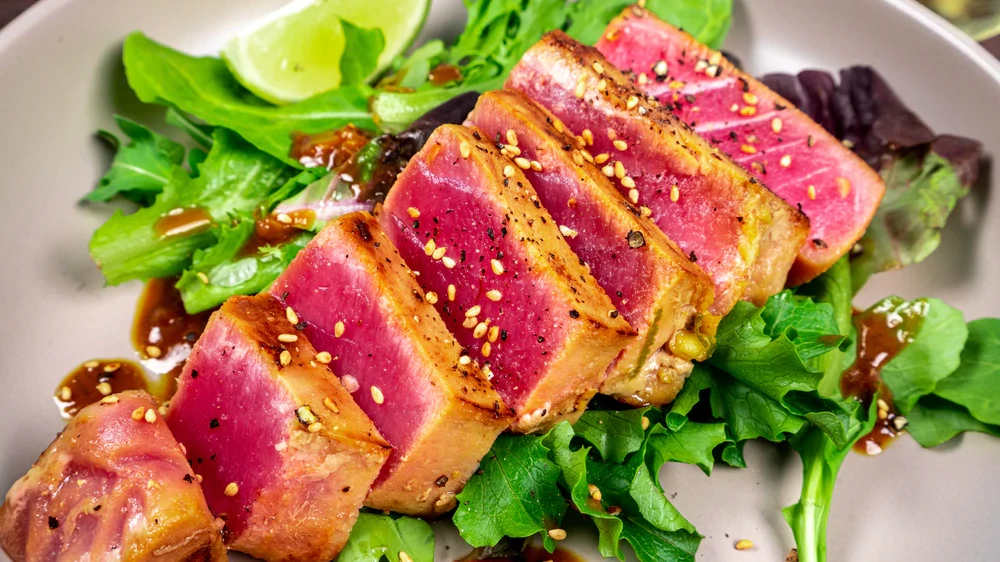
When it comes to preparing fresh tuna, the choice between marinating and cooking it can be overwhelming. To make an informed decision, you need to consider the type of tuna you’re using, its intended use, and personal preferences.
Choosing the Right Tuna Cut for Marinading
There are several types of tuna cuts that are suitable for marinading. The best cut depends on your desired outcome, from a delicate tuna salad to a hearty tuna steak. Here’s a brief overview of popular tuna cuts:
- Tartare or Carpaccio: Opt for the more tender and flavorful guancia (cheek) or bodano (fin loin). These cuts have less fat and are perfect for raw preparations.
- Grilled or Pan-Seared Tuna: Use the leaner filet, which is located under the dorsal fin. This cut has a delicate flavor and texture that pairs well with grilled or pan-seared dishes.
- Tuna Steaks: The most popular choice for grilling or pan-frying, tuna steaks are often made from the loins or fillets.
Understanding Tuna Quality
When selecting fresh tuna, consider its quality to ensure optimal marinating results. Look for these factors:
- Color: Fresh tuna should have a vibrant red color with no signs of discoloration.
- Texture: The flesh should be firm and springy to the touch.
- Scent: Tuna should have a mild, slightly sweet aroma.
Preparing Tuna Marinade
To create an unforgettable marinade experience, you need to balance flavors and acidity. Here’s a basic recipe that yields a deliciously tangy sauce:
- Marinade Ingredients:
- 600g filet of red tuna (specifically chosen for raw use), cut into 4 portions weighing about 150g each
- 1 red Tropea onion, thinly sliced
- 1 sprig of fresh rosemary and a handful of fresh parsley leaves
- 250g granulated sugar
- 120ml apple cider vinegar
- 120ml red wine vinegar
- 120ml water
- 2 tsp ground mustard seeds
- 1 tsp dried cummin seeds
- 1 tsp white peppercorns, crushed
Tips for Achieving a Balanced Marinade
To create a balanced marinade, consider the following tips:
- Balance acidity: Combine acidic ingredients like vinegar and citrus to balance out the richness of the tuna.
- Enhance flavor: Add aromatics like garlic and ginger to enhance the overall flavor profile.
- Consider temperature: Refrigerate the marinade for at least an hour before serving to allow flavors to meld together.
Marinating Techniques
To ensure optimal marinating results, consider these techniques:
- Refrigeration: Store tuna in a sealed container in the refrigerator for at least 30 minutes to prevent bacterial growth.
- Gentle handling: Handle tuna gently to avoid damage and contamination.
- Acidic marinades: Use acidic ingredients like vinegar or citrus juice to enhance flavor and tenderize the fish.
Preparing Tuna Sauce
A tangy and flavorful sauce complements the richness of fresh tuna beautifully. Here’s a basic recipe:
- Sauce Ingredients:
- 150g cooked potato, mashed
- 2 egg yolks
- 1/4 teaspoon ground saffron
- Salt and pepper to taste
Tips for Achieving a Smooth Sauce
To create a smooth sauce, consider these tips:
- Use ripe potatoes: Choose ripe potatoes that are high in starch for a creamy texture.
- Beat egg yolks: Beat egg yolks until they’re light and fluffy before adding other ingredients.
- Add acidity: Use acidic ingredients like lemon juice or vinegar to balance out the richness of the sauce.
Combining Marinade and Sauce
Once both marinades and sauces have cooled down completely, remove them from their respective refrigerators and let them sit at room temperature for about 30 minutes. During this time, they should come closer together in consistency.
- Marinade Application:
- Place the tuna portions into a bowl or container.
- Pour cooled marinade over the tuna portions.
- Refrigerate for at least one hour before serving.
Serving Suggestions
Serve your freshly marinated tuna with an assortment of sides to complement its unique flavors.
- Insalata Ricca: A hearty salad made with fresh greens, cherry tomatoes, and a tangy dressing pairs perfectly with the rich flavor of tuna.
- Fette di Pane Tostato: Crispy bread slices add a satisfying crunch to your meal, complementing the softness of the tuna.
Common Mistakes to Avoid
To avoid common mistakes when preparing fresh tuna, consider these tips:
- Over-marinating: Don’t over-marinate tuna for too long, as it can become mushy and lose its texture.
- Under-acidification: Make sure to balance out acidity levels in the marinade to prevent bacterial growth.
- Incorrect storage: Store tuna properly to prevent contamination and foodborne illness.
Troubleshooting Common Issues
To troubleshoot common issues when preparing fresh tuna, consider these tips:
- Tuna won’t hold its shape: Try using a firmer type of tuna or adjusting the marinade recipe for better texture.
- Sauce is too thick: Add more liquid to thin out the sauce and achieve a smooth consistency.
- Marinade is too weak: Adjust the amount of acidic ingredients or add more aromatics to enhance flavor.
Conclusion
Preparing fresh tuna requires attention to detail, patience, and practice. By understanding different types of tuna cuts, preparing balanced marinades and sauces, and combining them effectively, you can create unforgettable dishes that showcase the rich flavor and tender texture of fresh tuna.


