
Introduction
As we navigate our increasingly congested city streets, it’s easy to overlook the simple yet effective solutions that can make a significant impact on our environment and well-being. One such solution is the human-powered bus, also known as a bicibus. In this article, we’ll explore the concept of Bicibus Freewheelin, a innovative program that has been making waves in the world of sustainable transportation.
What is Human-Powered Transportation?
Human-powered transportation refers to any mode of transport that uses human energy to propel it forward. This can include everything from bicycles and unicycles to skateboards and even feet power. The idea behind human-powered transportation is simple: by harnessing the power of human energy, we can reduce our reliance on fossil fuels and create a more sustainable future.
The Benefits of Human-Powered Transportation
Human-powered transportation offers numerous benefits for both individuals and communities. For one, it reduces our reliance on fossil fuels, which in turn reduces greenhouse gas emissions and helps to combat climate change. This is especially important for cities like Tampa and Charlotte, where air pollution is a major concern.
In addition to reducing carbon emissions, human-powered transportation also improves physical health and well-being. Regular cycling or walking can help to boost cardiovascular health, reduce the risk of chronic diseases, and improve overall mental wellbeing.
The Bicibus Freewheelin Program
In 2007, Humana Inc launched the Bicibus Freewheelin program as part of their company-wide initiative to promote employee well-being. The program was born out of a desire to encourage employees to be more active and engaged with their community.
The first Bicibus Freewheelin buses were introduced at the Louisville campus, and since then, the program has expanded to cover several other locations. These innovative buses are designed to provide an enjoyable and sustainable transportation experience for employees and visitors alike.
How Do the Bicibus Freewheelin Buses Work?
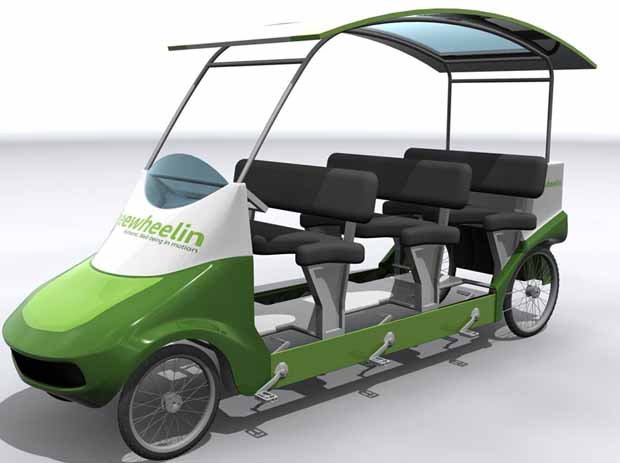
The Bicibus Freewheelin buses use a unique design that allows multiple people to pedal simultaneously, creating a fun and social atmosphere. The buses are equipped with comfortable seating and ample storage space, making them an ideal solution for both short trips and longer commutes.
To operate the bus, riders simply need to pedal alongside their colleagues, enjoying the sights and sounds of the city as they make their way to work or school. This innovative approach not only promotes sustainable transportation but also encourages social interaction and community building.
The Impact of Human-Powered Transportation on Greenhouse Gas Emissions
Human-powered transportation has a significant impact on reducing greenhouse gas emissions. By harnessing the power of human energy, we can reduce our reliance on fossil fuels and lower carbon emissions.
According to a study conducted by the University of California, Berkeley, each kilometer traveled by bicycle reduces greenhouse gas emissions by approximately 3-4 kilograms. This may seem like a small amount, but when considering the cumulative effect over an entire city or region, it can make a significant difference in reducing our reliance on fossil fuels.
The Benefits of Human-Powered Transportation for Urban Areas
Human-powered transportation is particularly beneficial for urban areas, where congestion and air pollution are major concerns. By promoting sustainable transportation options, cities can reduce the number of cars on the road, decreasing emissions and improving air quality.
In addition to reducing carbon emissions, human-powered transportation also has a positive impact on urban design and community development. By encouraging cycling and walking, cities can create more pedestrian-friendly infrastructure, promote mixed-use development, and foster a sense of community among residents.
The Future of Human-Powered Transportation
As we look to the future, it’s clear that human-powered transportation will play an increasingly important role in sustainable urban planning. Cities are investing heavily in innovative solutions like bike-sharing programs, pedestrian-friendly infrastructure, and electric vehicle charging stations.
However, there is still much work to be done. To fully realize the potential of human-powered transportation, we need to address issues like safety, accessibility, and equity. This includes investing in dedicated bike lanes, improving lighting and signage, and providing incentives for low-income residents to access affordable public transportation options.
Conclusion
In conclusion, the Bicibus Freewheelin program represents a significant step forward in sustainable transportation. By harnessing the power of human energy, we can reduce our reliance on fossil fuels, improve physical health, and create a more sustainable future for generations to come.
As we move forward, it’s essential that we continue to explore and invest in alternative modes of transport. Whether through innovative programs like Bicibus Freewheelin or simple changes in urban planning, human-powered transportation has the potential to make a significant impact on our environment and community.
FAQs
- What inspired Humana Inc to launch the Bicibus Freewheelin program?
The program was launched as part of Humana Inc’s company-wide initiative to promote employee well-being and encourage active living.
- How many kilometers did the Bicibus Freewheelin buses cover in 2012?
3,000 kilometers were covered by the Bicibus Freewheelin buses in just eight days.
- What is the impact of human-powered transportation on greenhouse gas emissions?
Human-powered transportation reduces greenhouse gas emissions by reducing our reliance on fossil fuels.
- How does the Bicibus Freewheelin program improve physical health and well-being?
Using the Bicibus Freewheelin bus improves physical health and well-being by encouraging active living, reducing sedentary behavior, and promoting a healthier lifestyle.
- Can anyone use the Bicibus Freewheelin buses?
Yes, the Bicibus Freewheelin buses are available for public use, making sustainable transportation accessible to everyone.
- What is the future of human-powered transportation in urban areas?
The future of human-powered transportation in urban areas looks promising, with more cities investing in alternative modes of transport and innovative solutions like bike-sharing programs and pedestrian-friendly infrastructure.
- How can individuals contribute to reducing greenhouse gas emissions through human-powered transportation?
Individuals can contribute by using public transportation, carpooling, or cycling or walking whenever possible.
- What role does education play in promoting sustainable transportation?
Education plays a crucial role in promoting sustainable transportation by raising awareness about the benefits of alternative modes of transport and encouraging individuals to make environmentally conscious choices.


