
Introduction
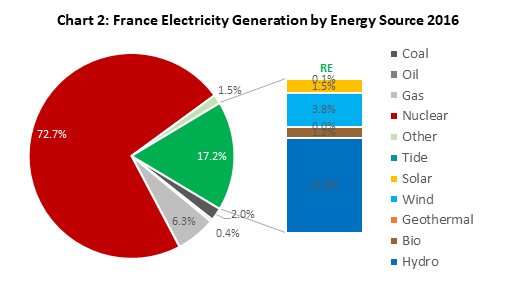
The idea of a fully renewable energy system is gaining momentum worldwide. France, in particular, has made significant strides in reducing its reliance on nuclear power and moving towards a cleaner energy future. With over 70% of its energy needs currently met by nuclear power, the question arises: where do the renewable energies come from?
France’s journey towards a fully renewable energy system is ambitious and complex. However, with careful planning, investment, and innovation, it is possible for the country to transition away from nuclear power and fossil fuels. As we look to the future of energy production, one thing is clear: simplicity, efficiency, and sustainability will be key to creating a cleaner, greener world.
The Challenges Facing France
France’s nuclear energy sector is facing significant challenges. The financial burden of maintaining aging reactors has become unsustainable, and government subsidies are no longer sufficient to keep them operational. In fact, the era of cheap nuclear energy has come to an end, and prices are expected to rise.
When the nuclear reactors reach the end of their lifespan, it will be difficult for the power plants to remain operational without significant investments in new technology or replacement costs. One possible solution is to dismantle existing nuclear facilities and replace them with renewable energy sources and storage systems.
The challenges facing France’s nuclear sector are multifaceted:
- Aging Reactors: Many of France’s reactors are nearing the end of their lifespan, with some predicted to shut down as early as 2025.
- Financial Burden: Maintaining these aging reactors is becoming increasingly expensive, and government subsidies are no longer sufficient to cover costs.
- Public Perception: There is growing public concern about nuclear power’s safety record and environmental impact.
The négaWatt Scenario
The French think tank négaWatt has proposed a vision for France’s energy future, predicting that the country will be completely reliant on renewable energies by 2034. This requires a significant transformation of the energy sector, including the phasing out of nuclear power and the development of new industries.
According to négaWatt’s projections, the 63 GW of electricity generated by French nuclear reactors will need to be replaced with cleaner sources. By 2050, France could potentially switch from fossil fuels to renewable energy sources, driven by investments in industry and efficiency improvements.
Renewable Energy Projections
négaWatt’s study provides a detailed breakdown of the potential for different renewable energy sources:
- Solar power: 81 GW
- Offshore wind power: 77 GW
- Hydroelectric power: 28 GW
- Biomass, marine energy, and geothermal energy play a marginal role
These projections highlight the significant potential for France to transition towards renewable energy sources. However, achieving this goal will require careful planning, investment, and innovation.
Efficiency Improvements
The négaWatt team also proposes an innovative approach to increasing energy efficiency through the “metanation” process. This involves producing synthetic methane from other energy sources, which can then be stored alongside existing gas supplies.
Metanation offers several benefits:
- Energy Efficiency: By storing synthetic methane, France can reduce its reliance on fossil fuels and decrease greenhouse gas emissions.
- Storage Capacity: Synthetic methane can be used as a form of energy storage, helping to stabilize the grid and ensure a reliable supply of electricity.
- Economic Benefits: Metanation could create new industries and jobs in the sector.
Conclusion
France’s journey towards 100% renewable energy is ambitious and complex. However, with careful planning, investment, and innovation, it is possible for the country to transition away from nuclear power and fossil fuels. As we look to the future of energy production, one thing is clear: simplicity, efficiency, and sustainability will be key to creating a cleaner, greener world.
Frequently Asked Questions
- What is négaWatt’s vision for France’s energy future?
négaWatt predicts that France will be completely reliant on renewable energies by 2034. - How does France plan to replace nuclear power with renewable energy?
The country will need to invest in new industries and technologies, including solar, wind, hydroelectric, and geothermal energy. - What is the role of “metanation” in achieving efficiency improvements?
This process involves producing synthetic methane from other energy sources, which can then be stored alongside existing gas supplies. - How will France’s energy sector be affected by the phasing out of nuclear power?
The country will need to adapt to a new energy landscape, with significant investments required in infrastructure and industry. - What is the timeline for achieving 100% renewable energy in France?
According to négaWatt’s projections, this could happen as early as 2050, driven by investments in industry and efficiency improvements. - How will biomass, marine energy, and geothermal energy contribute to France’s renewable energy mix?
These sources play a marginal role in the proposed scenario, but may still have a place in the country’s energy landscape. - What is the significance of “simplification” in négaWatt’s approach to energy production?
The team emphasizes the importance of simplicity and efficiency in achieving a cleaner, greener future. - How can individuals contribute to France’s transition towards renewable energy?
Citizens can support initiatives promoting renewable energy development, efficiency improvements, and sustainable lifestyles.
Case Study: The Impact of Renewable Energy on Local Communities
France is not alone in its efforts to transition towards renewable energy. Several local communities have already begun to adopt sustainable practices and invest in renewable energy sources.
In the town of Vaujany, for example, residents have come together to develop a community-owned solar farm. This initiative has provided a reliable source of clean energy while also creating jobs and stimulating local economic growth.
Similarly, the town of Saint-Étienne has launched an ambitious plan to become carbon neutral by 2030. The city aims to achieve this goal through a combination of renewable energy sources, energy efficiency improvements, and sustainable transportation options.
These examples highlight the potential for community-led initiatives to drive the transition towards renewable energy. By working together, local communities can create a cleaner, greener future for themselves and their families.
Challenges and Opportunities
While France’s journey towards 100% renewable energy is ambitious, it also presents several challenges:
- Infrastructure: Upgrading existing infrastructure to support renewable energy sources will require significant investments.
- Grid Capacity: The French grid may need to be expanded or modified to accommodate the increased demand for renewable energy.
- Public Perception: There may still be public concerns about the safety and environmental impact of new renewable energy technologies.
However, these challenges also present opportunities for innovation and growth:
- New Technologies: Advances in renewable energy technologies could lead to more efficient and cost-effective solutions.
- Job Creation: The transition towards renewable energy is expected to create new jobs and stimulate local economic growth.
- Sustainable Development: By investing in sustainable practices, France can contribute to a global effort to reduce greenhouse gas emissions and mitigate the impacts of climate change.
Conclusion
France’s journey towards 100% renewable energy is a complex and ambitious endeavor. However, with careful planning, investment, and innovation, it is possible for the country to transition away from nuclear power and fossil fuels. As we look to the future of energy production, one thing is clear: simplicity, efficiency, and sustainability will be key to creating a cleaner, greener world.
Recommendations
To support France’s transition towards 100% renewable energy, several recommendations can be made:
- Increase Investment: The French government should increase investment in renewable energy technologies and infrastructure.
- Promote Sustainability: Encourage sustainable practices and lifestyles through education and awareness campaigns.
- Develop New Technologies: Invest in research and development to create new and more efficient renewable energy technologies.
By following these recommendations, France can take a significant step towards achieving its goal of 100% renewable energy by 2034. As the world continues to grapple with the challenges posed by climate change, countries like France are showing that it is possible to transition towards a cleaner, greener future.


