
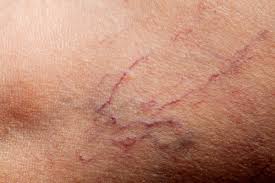
What are Capillaries?
Capillaries, or tiny blood vessels, play a crucial role in delivering oxygen and nutrients to our bodies. However, fragile capillaries can be a sign of an underlying issue that needs attention.
Understanding the basics of capillaries is essential for addressing fragile capillaries effectively. Capillaries are the smallest blood vessels in the body, responsible for exchanging oxygen, carbon dioxide, and other substances between the bloodstream and tissues. They are approximately 8 micrometers in diameter and have a thin wall that allows for efficient gas exchange.
Causes of Fragile Capillaries
Fragile capillaries are often linked to an unhealthy lifestyle, characterized by bad habits such as excessive drinking or smoking. For instance, alcohol consumption can dilate blood vessels, while smoking damages vitamin C levels in the body, which helps protect our capillary health.
Furthermore, genetic predisposition and aging can also contribute to fragile capillaries. As we age, our skin’s elasticity decreases, making it more susceptible to damage. Other underlying conditions, such as chronic venous insufficiency or hormonal imbalances, can also manifest through fragile capillaries.
Some common causes of fragile capillaries include:
- Poor circulation: Reduced blood flow can lead to damage and inflammation in the microcirculation.
- High blood pressure: Uncontrolled hypertension can cause damage to the capillary walls and lead to fragility.
- Smoking: Smoking damages vitamin C levels, reduces blood flow, and causes oxidative stress.
- Genetic predisposition: Some individuals may be more prone to fragile capillaries due to their genetic makeup.
Fragile Capillaries on the Eyes (Couperose)
One common area where fragile capillaries appear is around the eyes, known as couperose. This condition makes your skin look red and inflamed. It might be triggered by minor irritants like a small foreign object getting into your eye or due to natural tendencies.
To address this issue, it’s essential to investigate the underlying cause rather than just treating the symptoms. Consult a doctor if you’re concerned about fragile capillaries appearing in your eyes.
Symptoms of Couperose:
- Redness and inflammation around the eyes
- Small blood vessels visible under the skin
- Swelling or puffiness
- Dry, itchy skin
Fragile Capillaries on the Legs (Varicose Veins)
The most hated type of fragile capillaries is those that appear on our legs, particularly when they are noticeable due to poor circulation. These can be a sign of an underlying problem with blood flow and are often linked to a sedentary lifestyle.
While it’s not necessary to have a serious condition, if you notice these symptoms regularly, consider incorporating more movement into your daily routine, such as taking short walks or engaging in light exercise twice a week.
Symptoms of Varicose Veins:
- Swelling and discoloration
- Pain and discomfort
- Weakness and fatigue
- Skin thickening
Fragile Capillaries on the Face (Rosacea)
On the other hand, having fragile capillaries only on the face is known as rosacea. The skin in this area is delicate and prone to damage from various factors like high blood pressure or bruising. This condition can also appear suddenly.
Symptoms of Rosacea:
- Redness and inflammation
- Small blood vessels visible under the skin
- Pustules and acne-like lesions
- Skin thickening
Treating Fragile Capillaries with Natural Remedies
Fortunately, there are natural remedies that can help alleviate fragile capillaries:
- Regular exercise, especially walking and light physical activity
- Incorporating foods rich in vitamin C and K into your diet, such as citrus fruits, leafy greens, and cruciferous vegetables.
- Using Aloe vera gel or applying mirtillo-based products to improve circulation on the legs
- Applying creams containing ribes nigrum for treating fragile capillaries
Natural Remedies for Capillary Health
For those looking for more effective remedies, consider trying:
- Alginate treatments available on Amazon at around $33. This product contains algae and is excellent for improving skin elasticity and moisture.
- Applying succinic acid, a natural antioxidant found in Erica’s berries, to improve blood flow.
By addressing the underlying causes of fragile capillaries and incorporating these natural remedies into your daily routine, you can help maintain healthy, vibrant-looking skin.
Conclusion
Fragile capillaries are often linked to lifestyle choices and genetic predisposition. By understanding the potential causes and incorporating simple natural remedies, you can address this issue and promote overall health. Don’t hesitate to seek professional advice if your symptoms persist or worsen.
Frequently Asked Questions (FAQs)
What Can Cause Fragile Capillaries?
- Unhealthy lifestyle choices such as excessive drinking or smoking
- Genetic predisposition
- Aging
- Underlying conditions like chronic venous insufficiency or hormonal imbalances
How Can I Treat Fragile Capillaries on My Face (Rosacea)?
- Regular exercise, especially light physical activity
- Foods rich in vitamin C and K, such as citrus fruits, leafy greens, and cruciferous vegetables.
- Applying Aloe vera gel or using mirtillo-based products to improve circulation
Are Fragile Capillaries on My Legs (Varicose Veins) a Serious Condition?
- It’s not necessarily a serious condition, but rather a sign of poor circulation
- Consider incorporating more movement into your daily routine, such as taking short walks or engaging in light exercise twice a week


