
Formaldehyde, a chemical essential for producing hundreds of products we use daily, can improve our daily lives. However, no residual formaldehyde remains in final products. Despite its benefits, there is ongoing debate about the safety of formaldehyde and its potential health risks.
But where does the formaldehyde come from? In this article, we’ll explore the various sources of formaldehyde and examine the role it plays in different industries, as well as its safety and regulations.
Formaldehyde in Construction
Resin-based formaldehyde has been used for decades to produce composite wood products, widely used in furniture, worktops, cabinets, shelving systems, stairs, flooring, wall coverings, trusses, and more. These adhesives are exceptional, providing high-quality performance at economical conditions.
In the construction industry, formaldehyde-based resins are used in a wide range of panels, allowing for sustainable resource usage and minimizing waste. This eco-friendly approach has become increasingly important as governments and consumers prioritize environmental sustainability.
Formaldehyde in Medical Applications
Formaldehyde has a long history of safe and effective use in producing vaccines, antiviral medications, and more. For example, it’s been used to inactivate viruses that don’t cause various diseases, such as influenza virus in the production of the flu vaccine.
In medical settings, formaldehyde is also used as an embalming fluid to preserve bodies for examination or burial. This process helps prevent the spread of disease-causing microorganisms and ensures a respectful farewell for those who have passed away.
Formaldehyde in Personal Care and Consumer Products
Chemical elements like formaldehyde are essential for producing many consumer products and personal care items. These products can contain ingredients that release agents capable of killing microorganisms, preventing bacteria growth, and extending product shelf life.
For instance, some cosmetics may use formaldehyde-releasing preservatives to prevent bacterial contamination and extend the product’s shelf life. However, there have been concerns raised about the potential health risks associated with these preservatives.
Formaldehyde in Vehicles
Formaldehyde helps make vehicles lighter and more fuel-efficient. Resin-based formaldehyde is used to manufacture internal stamped components that must withstand high temperatures. It’s also used in the production of primer highly resistant, transparent coatings, adhesives, brake pad components, and fuel system components.
In addition, formaldehyde is used in the automotive industry to produce lighter-weight materials, such as composites and foam cores, which can improve vehicle performance and reduce emissions.
Is Formaldehyde Safe?
We can ask ourselves whether formaldehyde is safe when considering its most common uses. We start by noting that this element is a natural substance produced by all living organisms, so it’s naturally present in various fruits, vegetables, meats, fish, coffee, and alcoholic beverages.
Formaldehyde is also produced by the human body as part of normal physiological functions to construct essential materials for vital processes. Studies have shown that formaldehyde does not accumulate in humans or animals because it’s rapidly broken down by natural metabolic processes.
In the environment, formaldehyde is quickly decomposed in air humidity and sunlight or by bacteria in soil and water. This rapid decomposition process ensures that formaldehyde does not persist in the environment for extended periods.
We must also note that formaldehyde is today a heavily regulated international material, with strict rules for its use to protect human health and the environment. The regulations set requirements for activities that allow safe production, storage, handling, and use of this substance.
Link Between Formaldehyde and Cancer?
Some think that exposure to formaldehyde may increase cancer risk. In reality, it’s known in scientific literature that any potential association between inhaled formaldehyde and cancer is linked only to significant and prolonged exposures.
Based on recent studies, it’s unlikely that inhaled formaldehyde can trigger the mechanisms needed to cause blood cancer, like leukemia, because formaldehyde isn’t absorbed by nasal tissues (rapidly metabolized) to reach bone marrow where cancer occurs.
Link Between Formaldehyde and Asthma?
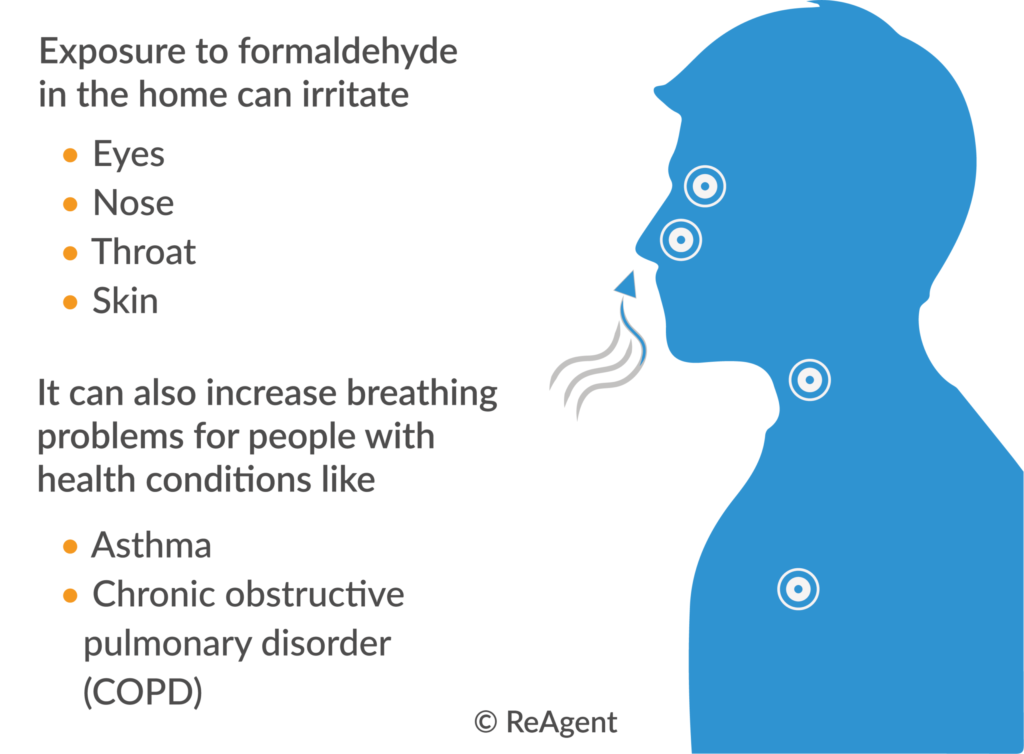
There is also reassurance regarding a potential link between formaldehyde and asthma. Numerous studies have shown that there are no scientific evidence supporting an association between formaldehyde exposure and asthma.
The World Health Organization has concluded that there are no indications of increased sensitivity to sensory irritation from formaldehyde in people with asthma.
Conclusion
Formaldehyde is a versatile chemical essential for producing various products we use daily, ranging from composite wood products to vaccines. While it’s true that no residual formaldehyde remains in final products, there is ongoing debate about its safety and potential health risks.
However, research has shown that formaldehyde does not accumulate in humans or animals due to its rapid breakdown by natural metabolic processes, and its decomposition in the environment ensures minimal persistence. Furthermore, strict international regulations ensure safe handling and use of formaldehyde to protect human health and the environment.
As consumers become increasingly aware of the environmental impact of their purchasing decisions, it’s essential to understand the role formaldehyde plays in different industries and its potential risks. By making informed choices about products containing formaldehyde, we can minimize our exposure while still enjoying the benefits of these versatile chemicals.
Additional Tips
If you’re concerned about your exposure to formaldehyde or have questions about specific products containing this chemical, here are some additional tips:
- Read product labels: Check the ingredient list for any mention of formaldehyde or its derivatives.
- Choose alternative products: Opt for products with natural preservatives or alternatives that don’t contain formaldehyde.
- Use protective gear: When working with formaldehyde-containing materials, wear protective gloves and work in a well-ventilated area to minimize exposure.
- Consult healthcare professionals: If you’re concerned about your health or have questions about formaldehyde exposure, consult a healthcare professional for personalized advice.
By understanding the role of formaldehyde in different industries and taking steps to minimize our exposure, we can enjoy the benefits of these versatile chemicals while protecting our health and the environment.


