
Introduction
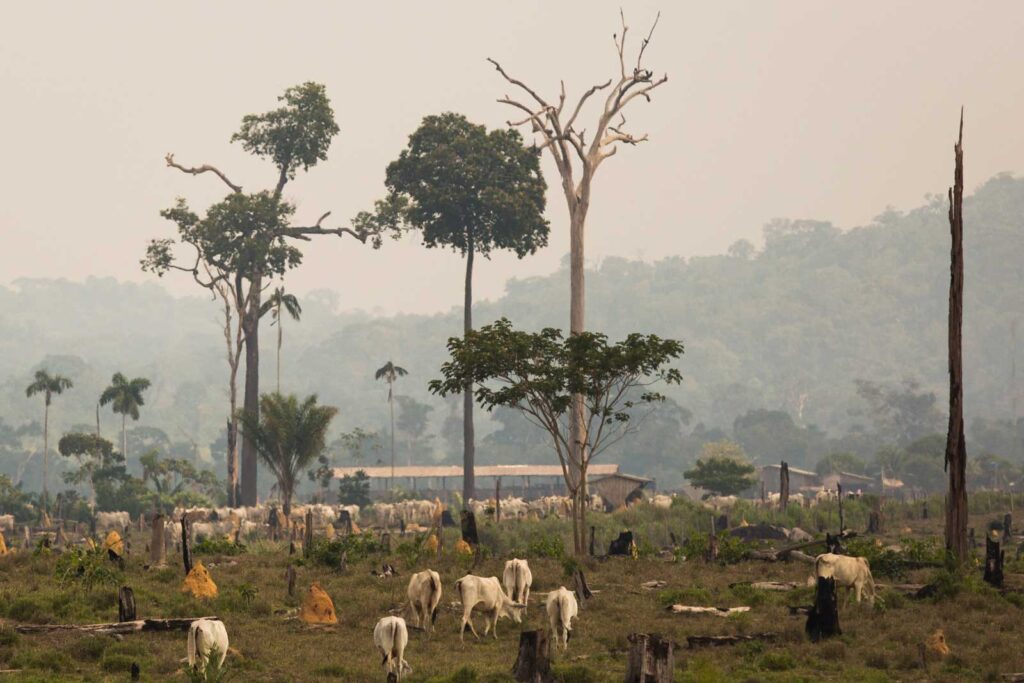
As we approach a critical juncture in human history, a stark warning has emerged from the recent report by Greenpeace, highlighting the alarming rate at which our world’s forests are being destroyed to make way for industrial agriculture. By 2020, an area equivalent to the size of Spain will have been lost forever, with far-reaching consequences for our planet’s ecosystem and biodiversity.
The Global Deforestation Crisis
The statistics are staggering: between 2010 and 2015, the production of agricultural commodities has led to the destruction of 30 million hectares of forest, an area equivalent to the size of Italy. The majority of this deforestation (95%) has taken place in the Americas and Southeast Asia. Moreover, the trade in high-impact commodities such as soy, palm oil, cocoa, and cellulose has skyrocketed, with imports of these products increasing exponentially.
The Future Looks Bleak
If we continue down this path, by 2050, global meat consumption could increase by 76%, soy production by 45%, and palm oil production by 60%. The consequences are dire: if we lose our forests at this rate, it will be impossible to mitigate climate change.
The Main Culprits
So what’s driving this crisis? The answer lies in the massive demand for agricultural commodities in Europe. Every year, over 33 million tons of soy are imported into the EU, with a staggering 87% used as animal feed before being processed into meat products. Similarly, palm oil imports have increased by over 40% since 2010, with more than half of this production now going towards biodiesel.
A New Threat: Bioplastics
But there’s another threat lurking on the horizon: bioplastics. Many companies are seeking to replace traditional plastics made from fossil fuels with biodegradable alternatives produced from crops such as corn and sugarcane. However, these new materials are not a panacea. Some bioplastics can be just as polluting as their fossil-fuel counterparts, and many are not biodegradable.
The Greenpeace Call to Action
So what can we do? The answer lies in a multifaceted approach. Firstly, companies must clean up their supply chains immediately, ensuring that all agricultural commodities sourced by these companies are deforestation-free and human rights-compliant. Secondly, the EU must take bold action to protect its forests and promote responsible sourcing practices.
Key Demands
To address this crisis effectively, Greenpeace is calling for:
- Adoption of new regulations guaranteeing sustainable agriculture: Ensuring that all agricultural commodities traded within the EU meet rigorous sustainability standards.
- Mandatory labeling requirements for products containing high-risk commodities: Giving consumers more information about what they’re buying and where it came from.
- Improved transparency and accountability throughout supply chains: Keeping track of where our food comes from and ensuring that farmers are treated fairly.
The Role of the Consumer
Consumers play a crucial role in driving change. By making informed choices, we can reduce demand for high-impact commodities and support companies that prioritize environmental stewardship. This means choosing products with certified sustainable sourcing practices, buying locally sourced produce when possible, and advocating for policies that protect our forests.
Case Study: Sustainable Soy
Soy is one of the most widely traded agricultural commodities in the world. However, many soy farms are linked to deforestation and human rights abuses. In response, some companies have started to source their soy from certified sustainable suppliers. This approach not only reduces the environmental impact of soy production but also promotes fair labor practices.
Conclusion
The fate of our world’s forests hangs in the balance. It’s time for us to take action, not just as individuals, but collectively as a global community. We owe it to ourselves, our children, and future generations to protect these precious ecosystems and ensure a sustainable food system for all.
Frequently Asked Questions
- What is driving the rate of deforestation?
- The main drivers are the massive demand for agricultural commodities in Europe, particularly soy, palm oil, cocoa, and cellulose.
- How much forest has been lost since 2010?
- An area equivalent to Spain’s size (around 30 million hectares) has been destroyed between 2010 and 2015.
- What are the consequences of losing our forests?
- The loss of forests will exacerbate climate change, threaten biodiversity, and have severe impacts on ecosystems and human well-being.
- Can bioplastics be a solution to this problem?
- Bioplastics can’t replace traditional plastics made from fossil fuels entirely; they can pollute the environment just as much.
- What is Greenpeace calling for to address deforestation?
- The organization demands that companies clean up their supply chains, adopt new regulations, and promote responsible sourcing practices.
- How will this impact food production and consumption?
- A shift towards sustainable agriculture and reduced deforestation could lead to more efficient use of resources, improved crop yields, and enhanced nutritional quality of food products.
- What role can consumers play in reducing the demand for high-impact commodities?
- Consumers can choose to buy products with certified sustainable sourcing practices or support companies that prioritize environmental stewardship.
- How can governments and policymakers help mitigate deforestation?
- Governments can implement policies promoting sustainable agriculture, increase funding for reforestation efforts, and enforce regulations protecting forests from destruction.
Additional Resources
For more information on this critical issue, visit the following resources:
- Greenpeace’s Deforestation campaign page: https://www.greenpeace.org/international/en/campaigns/climate-change/deforestation/
- The World Wildlife Fund’s Forests and Livelihoods program: https://wwf.org/theclassifieds/forests-and-livelihoods
- The European Union’s Sustainable Agriculture policy framework: https://ec.europa.eu/agriculture/policies/sustainable-agriculture
Together, we can make a difference. By taking action now, we can protect our world’s forests for generations to come.


