
Introduction
As a friendly initiative for the environment, Piedibus is not only a beautiful project but also one of the first concrete efficiency projects implemented in Italy. The United Nations Environment Programme (UNEP) has recognized Piedibus as an example of innovative urban planning and management practices that promote sustainability and reduce environmental impact.
ENEA, Italy’s National Agency for New Technologies, Energy and Sustainable Economic Development, has even included the project and its website piedibus.it among the best practices regarding energy efficiency. This recognition highlights the importance of Piedibus in promoting a healthier and more sustainable lifestyle for citizens, especially children.
So, what is Piedibus? If you have children in elementary school, you probably know that the idea was born in Denmark with the goal of promoting physical exercise and combating childhood obesity. And that’s exactly what it does – instead of riding the bus or school bus, kids walk to school with a group of volunteers who accompany them on foot.
The Origin of Piedibus
As they walked to school, people noticed that the Piedibus project, which was initially created to combat childhood obesity, also had another benefit: promoting socialization and boosting children’s self-esteem. By walking together in groups, children develop important life skills such as teamwork, communication, and problem-solving.
Moreover, Piedibus has become a strategic initiative in transportation, reducing traffic congestion around schools and air pollution in cities and towns. The project aims to reduce the number of cars on the road, creating a cleaner and healthier environment for everyone.
The First City to Adopt Piedibus
Padova was the first Italian city to introduce Piedibus in 2003, followed by many others. Today, 25 municipalities and numerous smaller centers are part of the initiative, thanks to the help of many volunteers from local governments, healthcare organizations, and associations.
These cities have recognized the benefits of Piedibus and decided to adopt this innovative approach to promoting sustainability and environmental protection. By working together, they aim to create healthier communities for children and adults alike.
Piedibus: A Sustainable Mobility Solution
Piedibus is a sustainable mobility solution because it promotes an environmentally friendly culture that prioritizes citizens’ health. It encourages people to walk or bike instead of driving cars, reducing air pollution and greenhouse gas emissions.
The project also educates children about the importance of environmental protection and teaches them valuable lessons about responsibility, teamwork, and respect for nature. By walking to school with a group of volunteers, children learn important life skills such as communication, problem-solving, and time management.
The Connection to Energy Efficiency
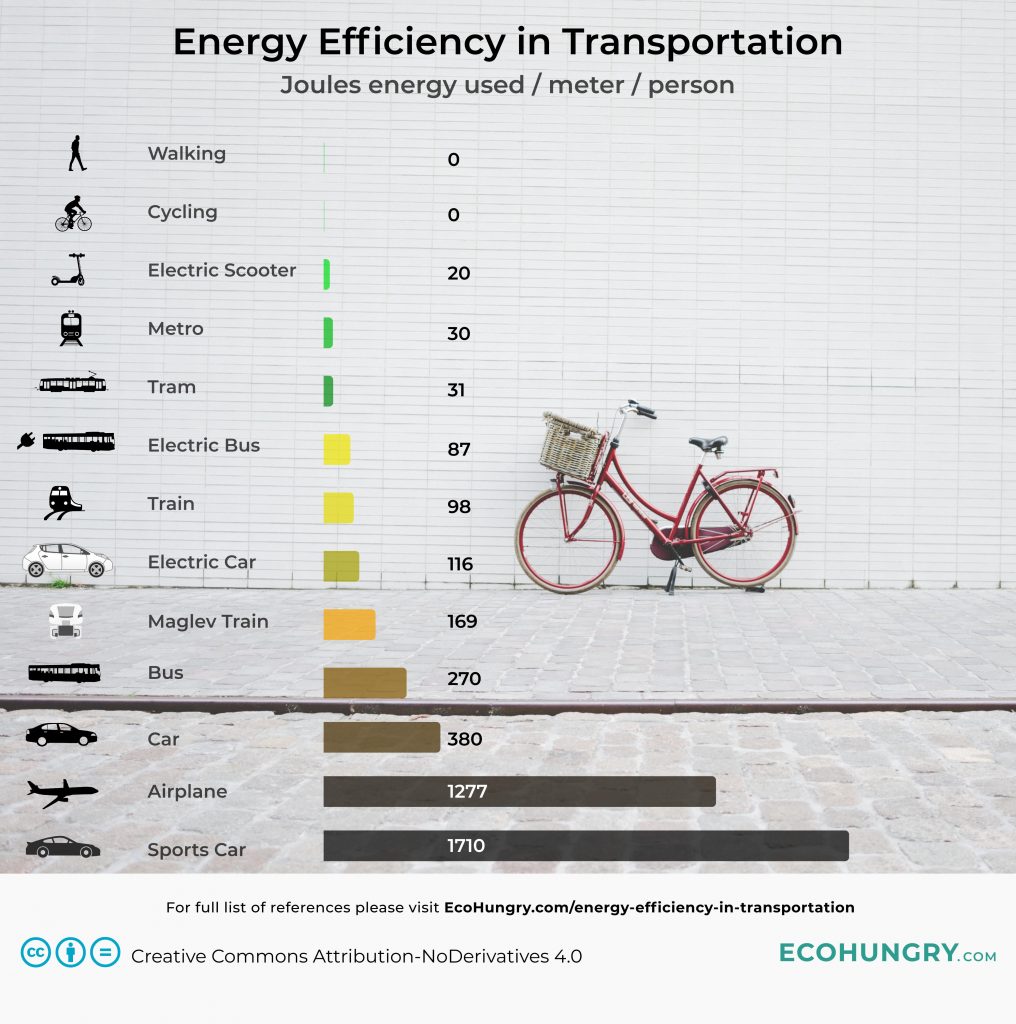
So why is Piedibus also an energy efficiency project? Because if efficiency means achieving the same or better results by consuming less or using more efficient (and non-polluting) energy instead of exhausting and polluting energy, then this initiative is definitely a model of energy efficiency.
By promoting sustainable transportation options like walking and biking, Piedibus reduces the demand for fossil fuels, which in turn decreases greenhouse gas emissions and air pollution. This approach also encourages people to use more efficient energy sources, such as solar or wind power, reducing our reliance on polluting energy sources.
Benefits of Piedibus
Piedibus promotes several benefits for children, adults, and the environment:
- Physical activity: Regular exercise helps improve cardiovascular health, boost mood, and reduce obesity.
- Socialization: Walking to school with a group of volunteers fosters social skills, teamwork, and communication among children.
- Environmental sustainability: Piedibus reduces air pollution, greenhouse gas emissions, and traffic congestion in cities and towns.
- Education: Children learn valuable lessons about responsibility, environmental protection, and the importance of sustainability.
Conclusion
Piedibus is a unique approach to promoting physical activity, socialization, and environmental sustainability. By walking to school with a group of volunteers, children not only get exercise but also learn valuable lessons about responsibility, teamwork, and respect for the environment.
As we strive for a more sustainable future, initiatives like Piedibus remind us of the importance of creative problem-solving and collaboration between local governments, healthcare organizations, and community groups. By working together, we can create healthier communities that promote sustainability and environmental protection for all.
FAQs
- What is Piedibus?
Piedibus is an initiative that promotes physical exercise, socialization, and environmental sustainability by encouraging children to walk to school with a group of volunteers. - How did Piedibus start?
The idea for Piedibus was born in Denmark as a response to childhood obesity, but it quickly evolved into a comprehensive program that benefits both children and the environment. - Which city is the first to adopt Piedibus?
Padova was the first Italian city to introduce Piedibus in 2003, followed by many others. - How does Piedibus work?
Piedibus works like a traditional bus system, with scheduled routes, drivers, controllers, and rules, but instead of using buses, children walk to school with volunteers. - What are the benefits of Piedibus?
Piedibus promotes physical activity, socialization, environmental sustainability, and education for children, while also reducing traffic congestion and air pollution in cities and towns. - Is Piedibus an energy efficiency project?
Yes, Piedibus is an energy efficiency project because it encourages the use of more efficient (and non-polluting) energy instead of exhausting and polluting energy. - Who is involved in Piedibus?
Piedibus involves local governments, healthcare organizations, associations, and volunteers from various backgrounds. - What can I do to support Piedibus?
You can visit the official website at piedibus.it and learn more about this innovative initiative that promotes sustainability and environmental protection.
By working together, we can create a healthier and more sustainable future for all.


