
Have you ever wondered about the ancient practice of plantar reflexology? This technique has been used for centuries, with roots in ancient civilizations such as Asia. Despite its long history, many people are still unsure about how it works and what benefits it can provide.
In this article, we will delve into the world of plantar reflexology, exploring its origins, benefits, and applications. We’ll also discuss the principles behind this technique and its potential uses for overall well-being.
What is Plantar Reflexology?
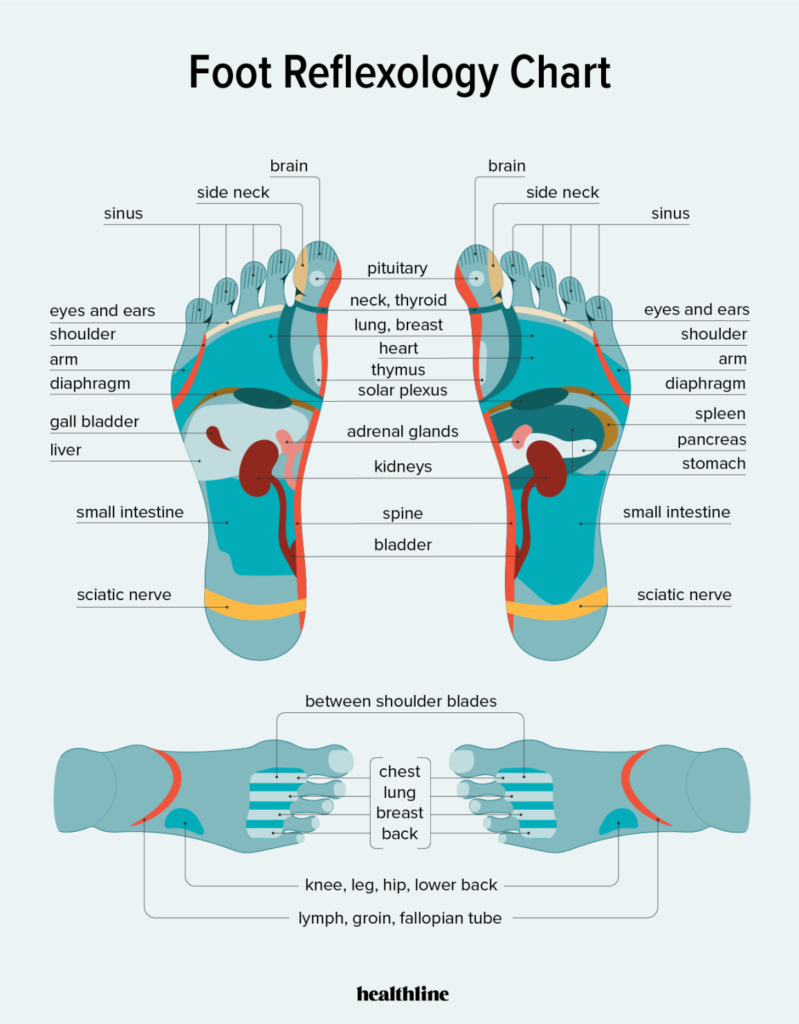
Plantar reflexology is a holistic approach that utilizes massage techniques to stimulate specific points on the feet. These points are believed to be connected to various organs and systems in the body, promoting balance and harmony within the individual. By applying pressure to these areas, practitioners aim to restore equilibrium to the body’s energy.
How Does Plantar Reflexology Work?
The process begins with a detailed examination of the foot, identifying specific zones that correspond to different parts of the body. Using this knowledge, therapists apply gentle yet targeted pressure to stimulate these points. This technique is not just about relaxation; it also aims to promote physical and emotional healing.
Benefits of Plantar Reflexology
While plantar reflexology has been used for centuries, its benefits are still being discovered and explored. Some of the most common applications include:
- Relieving pain and stress
- Improving sleep quality
- Enhancing overall well-being
Plantar reflexology is not a replacement for medical treatment; it’s an adjunct therapy that can complement existing treatments.
History of Plantar Reflexology
The history of plantar reflexology dates back to ancient civilizations. One of the earliest recorded examples is from 6,000-year-old graffiti in Valcamonica, depicting a fetus in the foot. However, the modern version of plantar reflexology was popularized by Ivan P. Pavlov, William Fitzgerald, and Eunice Ingham.
How Can I Get Started with Plantar Reflexology?
Finding a qualified practitioner can be an excellent starting point. When searching for a therapist, look for someone who is certified and experienced in the field. Be sure to communicate your needs and concerns openly, ensuring that you feel comfortable throughout the session.
Here are some additional tips to consider:
- Practice self-care by massaging your feet regularly
- Stay hydrated and maintain a healthy lifestyle
- Consider incorporating mindfulness practices into your daily routine
Common Questions about Plantar Reflexology
Are you still unsure about plantar reflexology? Here are some frequently asked questions that may help clarify its benefits:
Q: Is plantar reflexology a form of massage?
A: Yes, it is. However, it’s a holistic approach that combines massage techniques with energetic principles.
Q: Can I do plantar reflexology at home?
A: While it’s possible to learn some basic techniques, it’s recommended to work with a qualified practitioner for optimal results.
Q: Is plantar reflexology suitable for everyone?
A: As with any therapy, there may be certain contraindications or limitations. Be sure to consult with a healthcare professional before starting treatment.
Frequently Asked Questions
-
What are the benefits of plantar reflexology?
Plantar reflexology is an ancient practice that offers numerous benefits for overall well-being. Some of the most common advantages include relieving pain and stress, improving sleep quality, and enhancing physical and emotional balance.
2. How does plantar reflexology work?The technique involves massaging specific points on the feet, which are believed to be connected to various organs and systems in the body. By stimulating these areas, practitioners aim to restore equilibrium to the body’s energy.
3. What are some common applications of plantar reflexology?Plantar reflexology is used for a range of purposes, including relieving pain, improving sleep quality, and enhancing overall well-being. It can also be applied to address specific health concerns, such as insomnia or digestive issues.
4. How can I find a qualified practitioner for plantar reflexology?Look for someone who is certified and experienced in the field. Be sure to communicate your needs and concerns openly, ensuring that you feel comfortable throughout the session.
5. Is plantar reflexology suitable for everyone?As with any therapy, there may be certain contraindications or limitations. Be sure to consult with a healthcare professional before starting treatment.
By understanding the principles behind plantar reflexology and its potential benefits, you can make an informed decision about whether it’s right for you.


