
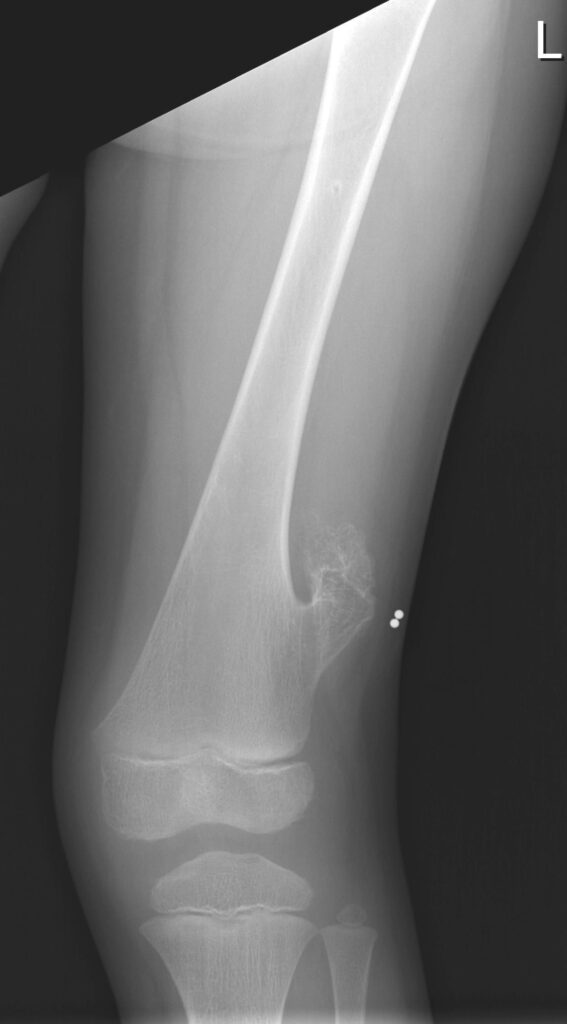
Esostosis, also known as multiple exostoses, is a rare genetic disorder that affects the growth of bones and cartilage. It is characterized by abnormal bone growth, leading to deformities in various parts of the body.
Causes and Symptoms of Esostosis
Esostosis typically begins around 2-3 years old, and its symptoms can vary depending on the location and severity of the condition. The most common areas affected are the ends of long bones, such as the knees, elbows, ankles, and shoulders. In some cases, esostosis may also occur in other parts of the body, including the spine, pelvis, and skull.
Types of Esostosis
There are two main types of esostosis:
- Monolocular exostoses: A single bony growth that occurs in one location.
- Multilocalular exostoses: Multiple bony growths that occur in different locations throughout the body.
Impact on Daily Life
Esostosis can significantly impact daily life, particularly if left untreated. Patients may experience pain, limited mobility, and difficulty with everyday activities. In severe cases, esostosis can lead to arthritis, joint damage, and other complications.
Diagnosis and Treatment
A team of doctors, including orthopedic surgeons, radiologists, and geneticists, is typically involved in diagnosing and treating esostosis. The diagnosis process involves a combination of physical examination, medical history, imaging tests (such as X-rays and MRIs), and genetic testing. Treatment options for esostosis include:
- Observation: Regular monitoring and follow-up appointments to track the growth of bony formations.
- Surgery: Removal of abnormal bone growths or deformities to improve mobility and alleviate pain.
- Physical therapy: Exercise and physical therapy programs to maintain strength, flexibility, and range of motion.
Genetics and Inheritance
Esostosis is often inherited in an autosomal dominant pattern, meaning that a single copy of the mutated gene can cause the condition. However, some cases may be sporadic, with no known family history.
Conclusion
Esostosis is a rare genetic disorder that affects bone growth and development. While it can have significant impacts on daily life, early diagnosis and treatment can help manage symptoms and prevent complications. With ongoing research and advancements in medical technology, there is hope for improved treatments and management options for individuals affected by esostosis.
Frequently Asked Questions
- What causes esostosis?
- Esostosis is caused by a genetic mutation that affects bone growth and development.
- How common is esostosis?
- Esostosis is a rare condition, affecting approximately 1 in every 200,000 births.
- What are the symptoms of esostosis?
- Symptoms can vary depending on the location and severity of the condition, but may include pain, limited mobility, and deformities in affected areas.
- How is esostosis diagnosed?
- Diagnosis involves a combination of physical examination, medical history, imaging tests (such as X-rays and MRIs), and genetic testing.
- What are the treatment options for esostosis?
- Treatment options include observation, surgery, and physical therapy to manage symptoms and prevent complications.
- Can esostosis be cured?
- Currently, there is no cure for esostosis, but early diagnosis and treatment can help manage symptoms and improve quality of life.
- Is esostosis a serious condition?
- Yes, esostosis can have significant impacts on daily life and overall health if left untreated or not managed effectively.
Living with Esostosis
For individuals affected by esostosis, it is essential to work closely with their healthcare team to manage symptoms and prevent complications. Regular monitoring and follow-up appointments can help track the growth of bony formations and identify any potential issues early on.
In addition to medical treatment, there are several lifestyle changes that can help manage the symptoms of esostosis. These may include:
- Exercise and physical therapy: Regular exercise and physical therapy programs can help maintain strength, flexibility, and range of motion.
- Pain management: Pain relief medication and other treatments can help alleviate discomfort and pain associated with esostosis.
- Adaptive equipment: Adaptive equipment, such as orthotics and assistive devices, can help improve mobility and independence.
Research and Treatment Options
Researchers are continually working to develop new treatments and management options for individuals affected by esostosis. Some promising areas of research include:
- Gene therapy: Gene therapy may offer a potential cure for esostosis by repairing or replacing the mutated gene responsible for the condition.
- Stem cell therapy: Stem cell therapy may also be explored as a treatment option, as it has shown promise in repairing damaged tissue and promoting bone growth.
While these emerging treatments hold great promise, they are still in the experimental stages and require further research to determine their safety and efficacy.


