
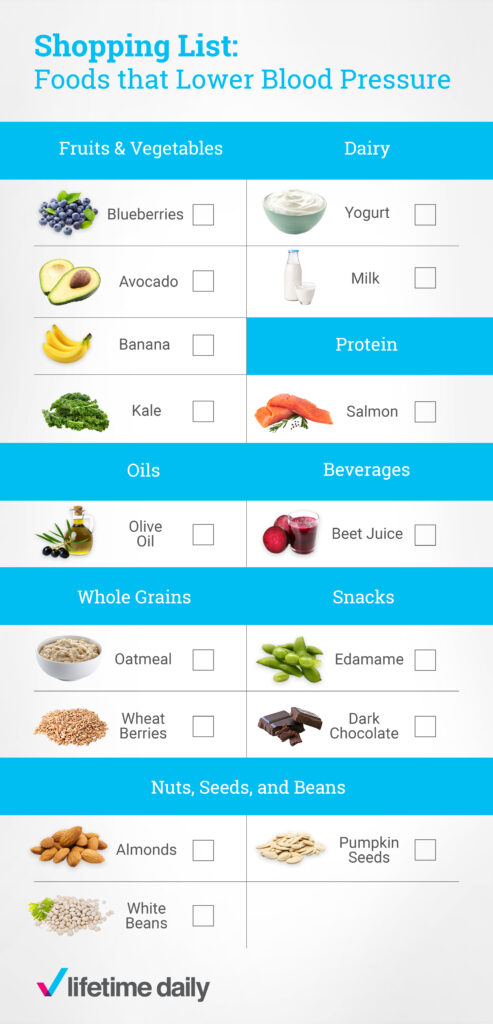
Are you aware that there are certain foods that can help lower your blood pressure, allowing your body to find the perfect balance? Let’s dive into some of the most notable ones together!
The Power of Leafy Greens
According to Harvard Medical School, leafy greens like kale and spinach are rich in potassium and magnesium, two essential minerals for regulating blood pressure. These nutrient-rich foods play a crucial role in your diet for stopping high blood pressure: a diet rich in potassium helps your body become more efficient at removing excess sodium, which can lead to increased blood pressure, while magnesium helps promote healthy blood flow.
Calcium-Rich Foods
One glass of skim milk offers a good dose of calcium and vitamin D, two nutrients that work together to help lower blood pressure by 3-10%. While these numbers might seem insignificant, they could translate to a 15% reduced risk of heart disease. Various studies have shown that consuming more calcium through diet is associated with lower systolic and diastolic blood pressures.
Egg Yolks: The Unsung Heroes
You might think egg yolks are bad for your heart health, but research suggests otherwise. Studies have found that egg yolks don’t increase the risk of cardiovascular disease. In fact, a recent study published in the Journal of Agricultural Food Chemistry found that egg yolks deserve a spot on the list of foods to lower blood pressure. When animals with high blood pressure were fed egg yolks rich in protein, they experienced a decrease in blood pressure similar to a low dose of Captopril, a medication for lowering blood pressure.
Broccoli: A Cruciferous Superfood
Broccoli is a rich source of minerals that regulate blood pressure: magnesium, calcium, and potassium. Many foods that lower blood pressure contain high amounts of these three minerals, and one study in pharmacology found the sulforaphane, the main active ingredient in broccoli and cauliflower, to be connected to a specific metabolic pathway leading to significant reductions in blood pressure. Additionally, broccoli sprouts are rich in compounds that can contribute to reducing damage to arteries, which could play a role in high blood pressure.
Barberry Juice: Nature’s Blood Pressure Lowerer
A daily glass of barberry juice has been shown to decrease blood pressure by approximately 10 mm Hg, according to an American Heart Association Hypertension study. The useful ingredient appears to be nitrates, which transform into nitric oxide, a gas that widens blood vessels and promotes healthy blood flow.
Sesame Oil: A Potential Pressure-Lowering Agent
A recent study published in the Journal of Clinical Lipidology found that cooking with sesame oil might help lower blood pressure in patients with mild to moderate hypertension. Researchers believe the effect is due to the fatty acids present in oils and antioxidants such as sesamin, sesamol, sesamoline, and orizanol.
Bananas: The Surprisingly Potassium-Rich Fruit
While many people associate bananas with a rich source of potassium, they are not the richest fruit when it comes to this essential mineral. One banana contains about 420 milligrams, which is approximately 11% of the daily recommended amount. However, other leafy greens like Swiss chard and white beans contain much higher amounts of potassium.
Dark Chocolate: A Tasty Pressure-Lowering Treat
If you’re looking for foods that lower blood pressure and have a delicious taste, dark chocolate might be your go-to choice! This sweet treat is rich in flavanols, antioxidants that make blood vessels more elastic. Flavanols have demonstrated time and again to help lower blood pressure, improve blood flow to the brain and heart, and reduce sticky platelets that can lead to clots.
Flaxseed: A Simple Way to Lower Blood Pressure
Adding ground flaxseeds to your meals can have a significant impact on your blood pressure readings. One study published in Hypertension found that eating 30 grams of ground flaxseeds per day lowered systolic pressure by an average of 15 mm Hg and diastolic pressure by 7 mm Hg.
The Power of Beans
To lower blood pressure, it’s essential to consume foods high in at least two of these three minerals: calcium, magnesium, and potassium. Beans are a clear winner! A cup of cooked white beans contains the equivalent of 13% of daily-recommended calcium, 30% of recommended magnesium, and 24% of recommended potassium.
FAQs
Here are some frequently asked questions about foods that lower blood pressure:
-
Which food is best for lowering blood pressure?
While each food has its benefits, a diet rich in leafy greens like kale, spinach, and broccoli is likely to be the most beneficial for lowering blood pressure. -
Can I lose weight while trying to lower my blood pressure with these foods?
Yes, incorporating these foods into your diet can aid in weight loss as well, since they are nutrient-dense and high in fiber. -
What should I do if I am allergic to nuts or seeds?
There are other sources of flaxseed meal that you might consider. You could also look for nut-free alternatives such as sesame oil or dark chocolate with minimal processing, which may be less likely to cause an allergic reaction. -
Can these foods lower blood pressure in people without hypertension?
While there is limited research on the effects of these foods on people without high blood pressure, studies suggest that incorporating them into your diet can still have a positive impact on cardiovascular health. -
How much should I consume daily to see the best results?
There isn’t one-size-fits-all answer here. You should aim to include a variety of these foods in your diet while staying hydrated and watching portion sizes. -
Can certain medications interact with these foods?
It’s always best to consult with your healthcare provider before making any significant changes to your diet, especially if you’re taking medication for high blood pressure. -
What about the environmental impact of consuming more beans and other plant-based foods?
Plant-based diets have a lower carbon footprint than meat-heavy diets. Beans, in particular, are an excellent source of protein that requires less land, water, and energy to produce than many animal products. -
Can I combine these foods for added benefits?
Absolutely! Combining foods can create a synergistic effect where the benefits of each food compound add up, leading to even greater positive impacts on cardiovascular health.
The Science Behind Food and Blood Pressure
Research has shown that certain nutrients and compounds found in specific foods have the ability to significantly impact blood pressure. Here’s a closer look at some of these scientific mechanisms:
- The Nitrate Effect: Nitrates are naturally occurring in many vegetables like beets, spinach, and celery. When ingested, nitrates transform into nitric oxide, which relaxes blood vessels and lowers blood pressure.
- Potassium’s Role: Potassium helps regulate fluid balance within cells, which is essential for maintaining healthy blood vessel function. Foods rich in potassium, such as bananas, leafy greens, and sweet potatoes, can help counteract the effects of sodium on blood pressure.
- Calcium and Magnesium’s Impact: Calcium and magnesium have been shown to relax blood vessels, improve blood flow, and reduce inflammation – all key factors in maintaining healthy blood pressure.
- Flavonoid Effects: Flavonoids are a type of antioxidant found in dark chocolate, berries, and other fruits and vegetables. They help make blood vessels more elastic and improve blood flow.
A Balanced Approach to Lowering Blood Pressure
While incorporating these foods into your diet can have positive effects on blood pressure, it’s essential to maintain a balanced approach:
- Eat a variety of whole foods: Focus on whole grains, fruits, vegetables, lean proteins, and healthy fats.
- Be mindful of portion sizes: Monitor your food intake and adjust as needed to achieve a healthy weight.
- Stay hydrated: Drink plenty of water throughout the day to help regulate blood pressure.
- Exercise regularly: Engage in moderate physical activity for at least 150 minutes per week to help lower blood pressure.
By combining these foods with a balanced approach, you’ll be well on your way to lowering your blood pressure and promoting overall cardiovascular health!


