
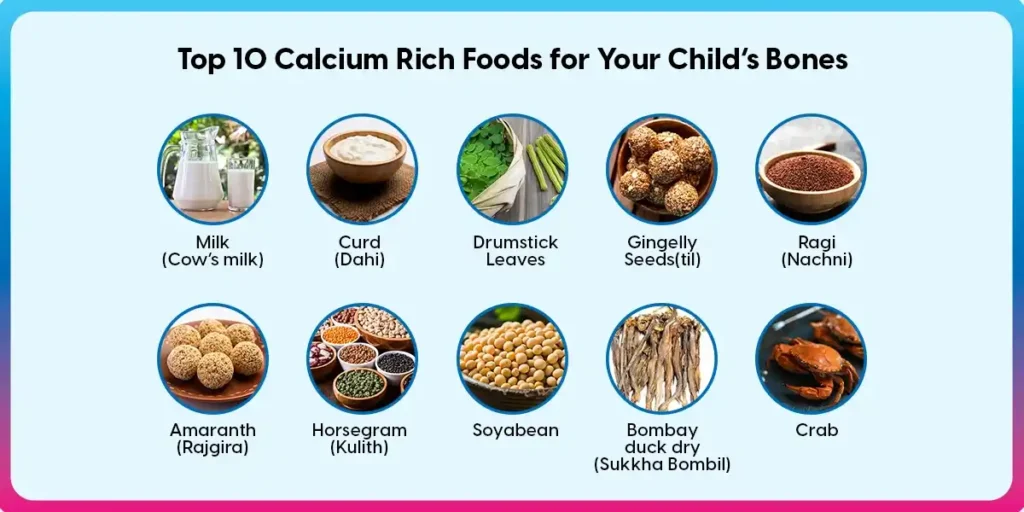
Calcium is a mineral that plays a vital role in maintaining strong bones and teeth, regulating blood pressure, supporting heart health, and preventing diabetes. But how much calcium do we need daily? And what are the best ways to absorb this essential mineral without relying on dairy products?
Understanding the Role of Calcium in Our Bodies
Calcium is a mineral that plays a vital role in maintaining strong bones and teeth, regulating blood pressure, supporting heart health, and preventing diabetes. But how much calcium do we need daily? And what are the best ways to absorb this essential mineral without relying on dairy products?
The Daily Recommended Intake of Calcium
The recommended daily intake of calcium varies depending on age, sex, and life stage. According to the LARN (livelli di assunzione di riferimento di nutrienti ed energia per la popolazione italiana) guidelines, the average adult should consume around 1,000mg of calcium per day.
However, this amount may need to be increased for certain individuals, such as pregnant women or those over 50. For example, pregnant women require an additional 1200-1500mg of calcium daily, while women over 50 may need up to 1500mg.
Calcium Needs by Life Stage
Here is a breakdown of the recommended daily intake of calcium for different life stages:
- Neonates (6 months – 1 year): 600mg
- Children (1-6 years): 800mg
- Adolescents (11-17 years): Varies by individual needs
- Pregnant women: 1200-1500mg
- Adults (18-29 years): 1000mg
- Men (30-59 years): 800mg
- Men (60+ years): 1000mg
- Women (30-49 years): 800mg
- Women (50+ years): 1200-1500mg
Finding Calcium in Non-Dairy Sources
While dairy products are a rich source of calcium, many people follow a lactose-free or vegan diet. Fortunately, there are plenty of non-dairy sources of calcium that can be easily incorporated into your diet.
Here are some examples:
- Fagioli (white beans): One cup of cooked white beans contains approximately 191mg of calcium.
- Pescato fresco: The skin and bones of fish, such as sardines and anchovies, are rich in calcium. A serving of fish with the skin and bones can provide up to 321mg of calcium.
- Frutti di mare e crostacei: Shellfish like shrimp, mussels, and clams contain significant amounts of calcium. A single serving of cooked shellfish can provide around 220mg of calcium.
- Fichi secchi (dried figs): A handful of dried figs contains approximately 149mg of calcium.
- Brassica rapa: This type of cabbage is a good source of calcium, with one cup providing about 75mg.
- Rucola (arugula): One cup of arugula leaves contains around 309mg of calcium.
- Prezzemolo e noci: The leaves and nuts of this herb are rich in calcium, with a serving providing approximately 120mg.
Calcium-Rich Foods to Add to Your Diet
Here are some more examples of calcium-rich foods that you can easily add to your diet:
- Broccoli
- Spinach
- Collard greens
- Kale
- Edamame
- Fortified plant-based milk
Incorporating Calcium into Your Diet
To ensure adequate calcium intake, try the following tips:
- Start your day with a calcium-rich breakfast: Include foods like fortified cereal, yogurt, or smoothies in your morning routine.
- Snack on calcium-rich foods: Reach for nuts, seeds, and dried fruit to boost your calcium levels throughout the day.
- Incorporate leafy greens into your meals: Add spinach, kale, or collard greens to salads, soups, or sautéed dishes.
Conclusion
Calcium is a vital nutrient that plays a crucial role in maintaining strong bones and overall health. While dairy products are a rich source of calcium, many non-dairy sources can be easily incorporated into your diet. By understanding the recommended daily intake of calcium and exploring alternative sources, you can ensure adequate calcium levels for optimal health.
Frequently Asked Questions
- What is the ideal amount of calcium to consume daily?
- The recommended daily intake of calcium varies by age, sex, and life stage.
- Can I get enough calcium from plant-based sources alone?
- Yes, many non-dairy foods are rich in calcium, such as leafy greens, nuts, and seeds.
- What is the best way to absorb calcium from food?
- Calcium absorption can be enhanced by consuming foods that contain vitamin D and other minerals like magnesium and potassium.
Calcium FAQs
- Q: How much calcium should I consume daily?
A: The recommended daily intake of calcium varies by age, sex, and life stage. - Q: Can I get enough calcium from plant-based sources alone?
A: Yes, many non-dairy foods are rich in calcium, such as leafy greens, nuts, and seeds. - Q: What is the best way to absorb calcium from food?
A: Calcium absorption can be enhanced by consuming foods that contain vitamin D and other minerals like magnesium and potassium. - Q: How do I know if I’m getting enough calcium in my diet?
A: Consult with a healthcare professional or registered dietitian to determine your individual needs. - Q: Can calcium supplements replace whole food sources of calcium?
A: No, supplements should not be used as a replacement for whole foods; rather, they can supplement your diet when necessary.
Calcium and Bone Health
Calcium is essential for maintaining strong bones and preventing osteoporosis. Adequate calcium intake helps promote bone growth and density, reducing the risk of fractures and other bone-related disorders.
Here are some tips to support bone health with calcium:
- Incorporate calcium-rich foods into your diet: Focus on whole foods like dairy products, leafy greens, nuts, and seeds.
- Consider supplements if necessary: Calcium supplements can be used in conjunction with a balanced diet to ensure adequate intake.
- Maintain a healthy weight: Excess body weight can increase the risk of osteoporosis; engage in regular physical activity and maintain a healthy lifestyle.
Calcium and Overall Health
Calcium plays a vital role in maintaining overall health beyond just bone health. It also supports:
- Heart health: Calcium helps regulate blood pressure and prevent cardiovascular disease.
- Muscle function: Calcium is essential for muscle contractions and relaxation, supporting movement and coordination.
- Nerve function: Calcium helps transmit nerve impulses, supporting cognitive function and mental well-being.
Here are some ways to incorporate calcium into your diet beyond bone health:
- Try new recipes: Experiment with different calcium-rich ingredients in your favorite dishes.
- Incorporate calcium into your smoothies: Add a scoop of fortified plant-based milk or a handful of nuts and seeds to boost your calcium intake.
- Eat more leafy greens: Spinach, kale, and collard greens are all rich in calcium.
Tips for Maximizing Calcium Absorption
- Vitamin D is essential for calcium absorption. Consider taking a vitamin D supplement if you’re not getting enough from sunlight or food sources.
- Calcium-rich foods should be consumed with other nutrients like magnesium and potassium to enhance absorption.
- Avoid overloading on calcium supplements, as excessive intake can cause kidney strain.
- Cooking and processing can reduce the bioavailability of calcium in plant-based foods. Opt for steaming, boiling, or sautéing instead of frying.
Common Calcium-Deficiency Symptoms
- Weakened bones (osteoporosis)
- Muscle cramps
- Tingling sensation in hands and feet
- Fatigue
- Weakness
Prevention and Treatment Strategies
- Adequate calcium intake through diet or supplements can help prevent deficiencies.
- Regular exercise, especially weight-bearing activities, can support bone health.
- Vitamin D supplements may be necessary if you’re not getting enough from sunlight or food sources.
- Calcium-rich foods should be consumed regularly to maintain adequate levels.
Calcium-Deficiency Diagnosis and Treatment
A healthcare professional can diagnose calcium deficiency through blood tests and physical examination. Treatment typically involves increasing calcium intake through diet or supplements, along with vitamin D supplementation if necessary.
By following these guidelines and tips, you can optimize your calcium absorption and support overall health and well-being.


