
What is Zinc?
Zinc is a microelement that plays a crucial role in the functioning of our bodies. It’s present in small quantities, but it’s essential for various bodily functions, including tissue formation, hormone production, protein synthesis, and enzymatic reactions.
Imagine your body as a complex machine with many moving parts. Zinc acts like a tiny lubricant that keeps all these parts working smoothly. Without it, the machine would grind to a halt.
Where is Zinc Found in Our Bodies?
Zinc is found in various tissues, including muscles, bones, brain, liver, skin, and hair. The highest concentrations are present in the eyes, prostate, and semen.
In fact, did you know that zinc is an essential component of many enzymes, hormones, and proteins? It’s like a master builder, helping to construct and maintain our bodily structures.
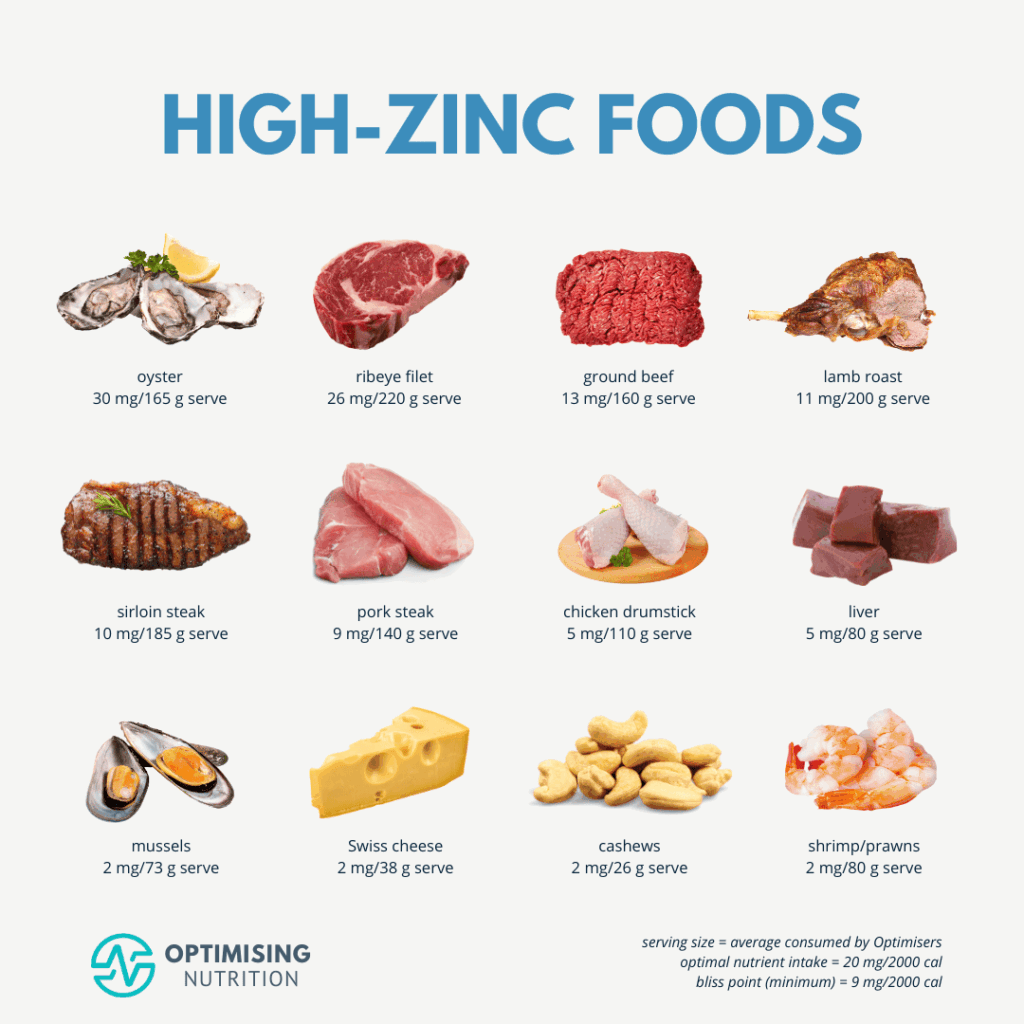
What Foods Are Rich in Zinc?
While we can’t get enough zinc from our diets alone, certain foods are particularly rich in this essential element. Here are some examples:
- Meat: Beef, pork, lamb, and chicken are all good sources of zinc.
- Seafood: Oysters, crab, lobster, and shrimp are all high in zinc.
- Poultry: Chicken and turkey contain moderate amounts of zinc.
- Seeds and Nuts: Pumpkin seeds, sunflower seeds, almonds, and cashews are all good sources of zinc.
Daily Zinc Intake
The recommended daily intake of zinc varies depending on factors like age, sex, and health status. Here are some general guidelines:
| Age | Daily Intake (mg) |
|---|---|
| 0-6 months | 2 mg |
| 7-12 months | 3 mg |
| 1-3 years | 3 mg |
| 4-8 years | 5 mg |
| 9-13 years | 8 mg |
| Teenagers (14-18) | 11 mg |
What Happens if We Take in Too Much Zinc?
While zinc is essential, excessive intake can be problematic. Symptoms of too much zinc include nausea, vomiting, diarrhea, muscle cramps, stomach pain, and weakness.
In severe cases, high zinc levels can even lead to anemia, arrhythmia, and fatigue. So, it’s crucial to consume zinc in moderation.
What Happens if We Don’t Get Enough Zinc?
On the other hand, a lack of zinc can cause various health issues. These include:
- Skin problems
- Fatigue
- Loss of appetite
- Weight loss
- Slow wound healing
- Immune system dysfunction
- Hair loss
- Diarrhea
- Psychological problems
Conclusion
In conclusion, zinc is an essential nutrient that plays a vital role in our bodies. While we can get enough zinc from our diets alone, certain foods are particularly rich in this element. By understanding how much zinc we need and what happens if we take in too much or too little, we can maintain optimal health.
Frequently Asked Questions
- What is the recommended daily intake of zinc?
- The recommended daily intake varies depending on age, sex, and health status.
- Which foods are rich in zinc?
- Foods like meat, seafood, poultry, seeds, nuts, and beans are good sources of zinc.
- What happens if we take in too much zinc?
- Symptoms include nausea, vomiting, diarrhea, muscle cramps, stomach pain, and weakness.
- What happens if we don’t get enough zinc?
- A lack of zinc can cause skin problems, fatigue, loss of appetite, weight loss, slow wound healing, immune system dysfunction, hair loss, diarrhea, and psychological problems.
- How can I ensure I’m getting enough zinc in my diet?
- Eat a balanced diet that includes foods rich in zinc, consult with a healthcare professional if you have concerns about your zinc intake.
- Are there any supplements or medications that interact with zinc?
- Yes, certain medications like diuretics, corticosteroids, and antidepressants can interact with zinc.
Additional Zinc Benefits
While zinc is essential for maintaining optimal health, it also has several additional benefits:
- Boosts Immune System: Zinc plays a crucial role in immune function and helps to fight off infections.
- Antioxidant Properties: Zinc has antioxidant properties that help to protect cells from damage caused by free radicals.
- Inflammation Reduction: Zinc can help to reduce inflammation, which is associated with various chronic diseases.
- Skin Health: Zinc is essential for maintaining healthy skin and can help to treat conditions like acne and eczema.
- Hair Growth: Zinc is necessary for hair growth and maintenance.
Tips for Increasing Zinc Intake
Here are some tips to help increase your zinc intake:
- Eat a Balanced Diet: Focus on eating a balanced diet that includes foods rich in zinc.
- Supplement with Zinc: Consider taking a zinc supplement if you’re unable to get enough from your diet alone.
- Cooking Methods: Cooking methods can affect the bioavailability of zinc. Opt for cooking methods that help preserve zinc, such as steaming or boiling instead of frying.
- Avoid Processed Foods: Processed foods often contain lower amounts of zinc due to processing and storage methods.
By understanding the importance of zinc and how to maintain optimal levels, we can take control of our health and well-being.


