
Iron is an essential mineral that plays a vital role in maintaining healthy red blood cells, transporting oxygen throughout the body, and supporting immune function. Adequate iron intake is crucial for preventing anemia, fatigue, and other related health issues. However, not all ferrous compounds are created equal, and some may be more easily absorbed than others.
Understanding Ferrous Compounds
Ferrous compounds refer to the different forms in which iron can be found in foods. While some sources may claim that all iron-rich foods are created equal, it’s essential to recognize that not all ferrous compounds are equally bioavailable. Bioavailability refers to the extent to which our bodies can absorb and utilize a particular nutrient.
There are two main categories of ferrous compounds: heme iron (animal-based) and non-heme iron (plant-based). Heme iron is more readily available for absorption, while non-heme iron requires additional support to facilitate its uptake.
The Importance of Ferrous Compounds
Iron plays a vital role in maintaining healthy red blood cells, transporting oxygen throughout the body, and supporting immune function. Adequate iron intake is crucial for preventing anemia, fatigue, and other related health issues.
Ferrous Compounds: A Nutrient-Dense Food Group
Iron-rich foods can be broadly categorized into two groups: heme iron (animal-based) and non-heme iron (plant-based). Heme iron is more readily available for absorption, while non-heme iron requires additional support to facilitate its uptake.
Alimentary Iron Sources: What Works and What Doesn’t
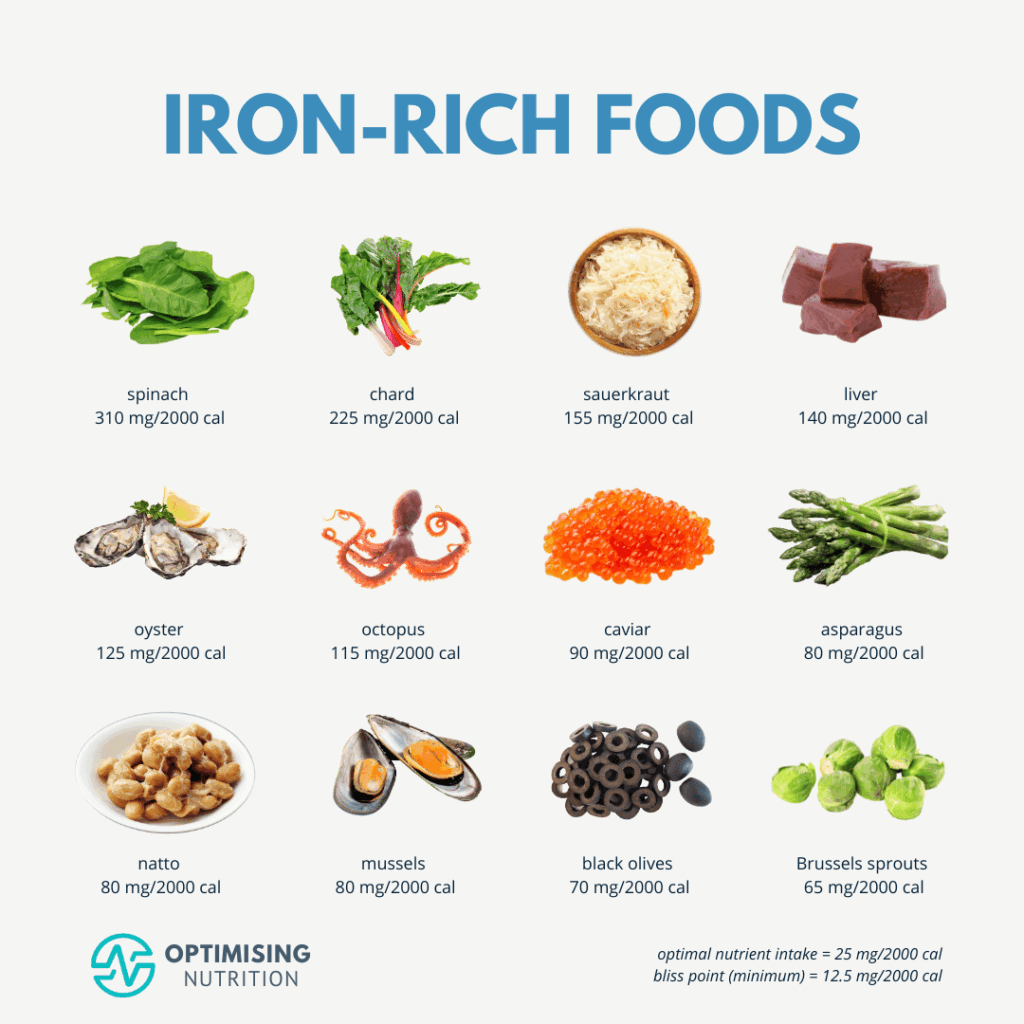
Some foods are naturally rich in bioavailable iron, including:
- Red meat
- Poultry
- Fish
- Shellfish
- Spinach
- Legumes
- Nuts
- Seeds
However, other factors can impact the absorption of these compounds. For instance, vitamin C and certain amino acids can enhance iron absorption.
Vitamin C: The Unsung Hero of Iron Absorption
Research has consistently shown that consuming foods rich in vitamin C along with iron-rich foods can significantly boost iron absorption. This is because vitamin C helps stabilize iron and facilitate its uptake by the body.
Other Nutrients That Support Iron Absorption
In addition to vitamin C, other nutrients play a crucial role in supporting iron absorption:
- Amino acids: Certain amino acids, such as glycine and lysine, can enhance iron absorption.
- Zinc: Zinc is essential for maintaining healthy gut function and supporting the absorption of non-heme iron.
The Role of Ferrous Compounds in Pregnancy and Menopause
During pregnancy and menopause, the body’s demand for iron increases significantly. Women who are pregnant or going through menopause may require additional support to maintain adequate iron levels.
Foods That Can Aid Iron Absorption During These Life Stages
Certain foods can help support iron absorption during pregnancy and menopause:
- Prenatal vitamins: Prenatal vitamins often contain iron, which can help supplement dietary intake.
- Iron-rich plant-based foods: Legumes, nuts, and seeds are rich in bioavailable iron and can be easily incorporated into a balanced diet.
Foods That Can Impede Iron Absorption
While some foods support iron absorption, others may hinder it. These include:
- Acidic foods: Consuming acidic foods like tomatoes or citrus fruits can decrease iron absorption.
- Phosphates: Foods high in phosphates, such as processed meats, can bind to iron and reduce its bioavailability.
Foods That Can Interact with Iron Supplements
Certain medications, supplements, and foods can interact with iron supplements. These include:
- Antibiotics: Antibiotics like tetracycline can chelate iron and reduce its absorption.
- Acidic substances: Consuming acidic substances like citrus fruits or vinegar can decrease iron absorption.
Conclusion
Unlocking the power of iron-rich foods requires a deeper understanding of ferrous compounds, their importance in human health, and how they interact with our bodies. By recognizing which foods support iron absorption and avoiding those that impede it, individuals can optimize their nutrient intake and maintain optimal health benefits.
Additionally, incorporating vitamin C-rich foods into meals can significantly boost iron absorption. Foods high in vitamin C include citrus fruits, strawberries, bell peppers, and leafy greens.


