
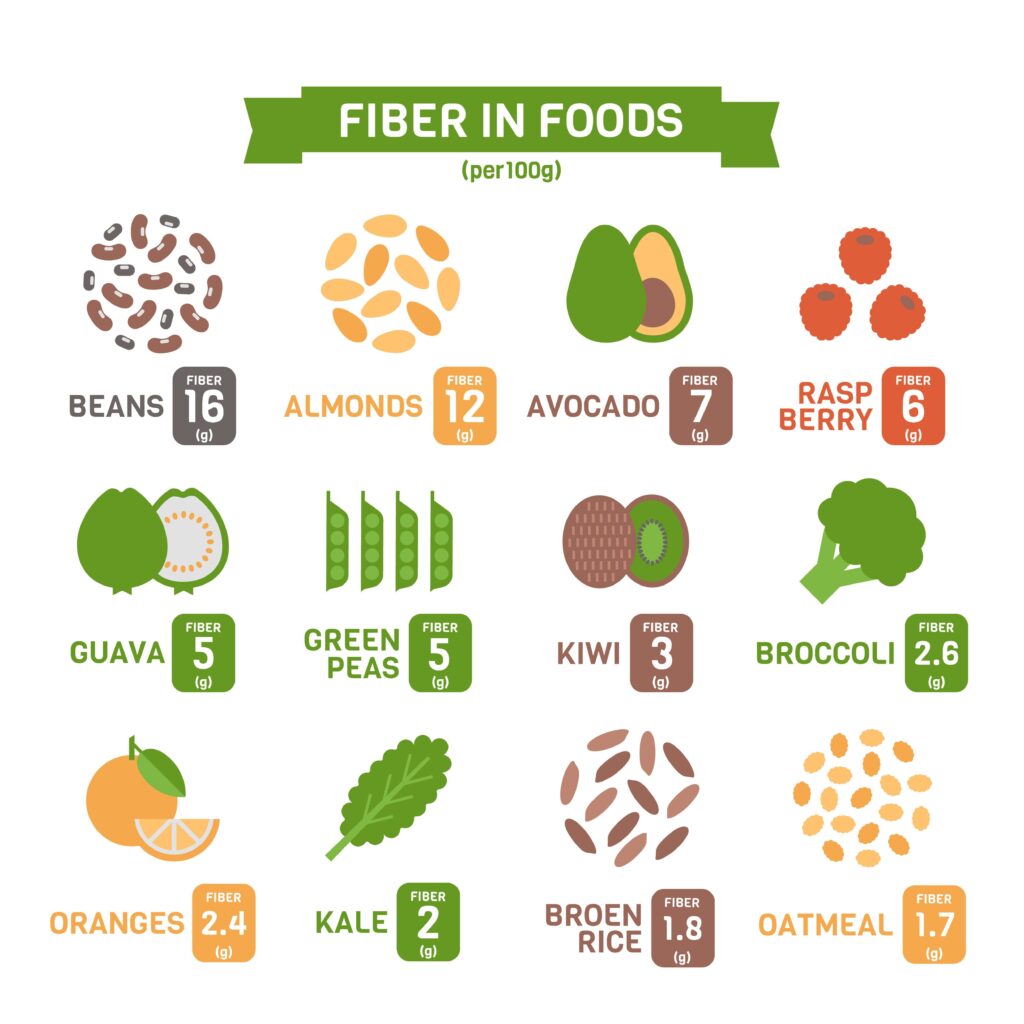
As we navigate the complexities of modern life, it’s easy to overlook one of the most powerful tools at our disposal: fiber. Often misunderstood or overlooked, fiber is the unsung hero when it comes to maintaining optimal health. In this article, we’ll delve into the world of fiber, exploring its benefits, types, and how to incorporate more of it into your diet.
What is Fiber?
Fiber is a type of carbohydrate that plays a vital role in our digestive system. It’s made up of two main types: insoluble and soluble fibers. Insoluble fibers are easier to digest and help move food through the digestive system, while soluble fibers slow down digestion and form gel-like substances that help lower cholesterol levels.
Benefits of Fiber
The benefits of fiber are numerous and far-reaching. Here are just a few:
- Promotes Regular Bowel Movements: Fiber helps move waste through the digestive system, preventing constipation and reducing the risk of colon cancer.
- Lowers Cholesterol Levels: Soluble fibers can help lower LDL (bad) cholesterol levels, reducing the risk of heart disease.
- Regulates Blood Sugar: Fiber can slow down the absorption of sugar into the bloodstream, regulating blood sugar levels and preventing spikes in insulin resistance.
- Supports Healthy Gut Bacteria: Fiber acts as a prebiotic, feeding good bacteria in the gut and promoting a healthy gut microbiome.
- Aids in Weight Loss: High-fiber foods can help with weight loss by reducing hunger and increasing feelings of fullness.
Types of Fiber
There are two main types of fiber: insoluble and soluble. Here’s what you need to know about each:
- Insoluble Fiber: Found in whole grains, fruits, and vegetables, insoluble fiber helps move food through the digestive system and prevents constipation.
- Soluble Fiber: Found in legumes, nuts, seeds, and some grains, soluble fiber forms gel-like substances that help lower cholesterol levels and regulate blood sugar.
Fiber-Rich Foods
Incorporating more fiber-rich foods into your diet can have a significant impact on your overall health. Here are some high-fiber foods to try:
- Leafy Greens: Spinach, kale, collard greens
- Legumes: Lentils, chickpeas, black beans
- Fruits: Apples, bananas, berries
- Nuts and Seeds: Almonds, chia seeds, flaxseeds
- Whole Grains: Brown rice, quinoa, whole wheat bread
Gradually Incorporating Fiber into Your Diet
When it comes to increasing your fiber intake, it’s essential to do it gradually. Here are some tips:
- Start with Small Amounts: Begin by adding 2-3 grams of fiber per day and gradually increase the amount over time.
- Choose High-Fiber Foods: Opt for whole grains, fruits, and vegetables that are high in fiber.
- Drink Plenty of Water: Adequate hydration is essential to help fiber move through the digestive system.
Frequently Asked Questions
Here are some frequently asked questions about fiber:
Q: How much fiber should I consume per day?
A: The recommended daily intake of fiber is 25-30 grams for adults.
Q: What are the benefits of consuming more fiber?
A: Fiber can help lower cholesterol levels, regulate blood sugar, promote regular bowel movements, and support healthy gut bacteria.
Q: Can I get too much fiber?
A: Yes, excessive fiber consumption can lead to digestive discomfort. It’s essential to increase fiber intake gradually to allow your body to adjust.
Q: Are there any fiber-rich foods that I should avoid?
A: While most high-fiber foods are safe to consume, some individuals may experience digestive discomfort after consuming large amounts of beans or legumes.
Q: Can I get enough fiber from supplements?
A: While dietary fiber is always the best choice, some individuals may benefit from taking fiber supplements. However, it’s essential to consult with a healthcare professional before starting any supplement regimen.
Common Fiber-Deficient Foods
While it’s easy to incorporate more fiber-rich foods into your diet, there are certain foods that tend to be low in fiber and should be avoided:
- Processed Meats: Hot dogs, sausages, bacon
- Refined Grains: White bread, sugary cereals, processed snacks
- Dairy Products: Low-fat or nonfat milk, cheese
Tips for Increasing Fiber Intake
Here are some additional tips to help you increase your fiber intake:
- Eat More Fruits and Vegetables: Aim for at least 5 servings a day.
- Incorporate Legumes into Your Diet: Try lentil soup, black bean salads, or chickpea stir-fries.
- Choose Whole Grains Over Refined Grains: Opt for brown rice, quinoa, or whole wheat bread instead of white bread or sugary cereals.
Fiber-Enriched Breakfast Ideas
Starting your day off right with a fiber-rich breakfast can help set you up for success. Here are some delicious and nutritious ideas:
- Oatmeal with Fresh Fruit and Nuts: Steel-cut oats, fresh berries, almonds
- Avocado Toast on Whole Grain Bread: Mashed avocado, cherry tomatoes, feta cheese
- Greek Yogurt with Berries and Granola: Greek yogurt, mixed berries, high-fiber granola
Fiber-Rich Snack Ideas
Incorporating fiber-rich snacks into your diet can help keep you full and satisfied throughout the day. Here are some tasty ideas:
- Fresh Fruit Salad: A mix of seasonal fruits, such as apples, bananas, grapes
- Carrot Sticks with Hummus: Crunchy carrots, creamy hummus dip
- Whole Grain Crackers with Avocado Spread: Whole grain crackers, mashed avocado, cherry tomatoes
Fiber-Rich Desserts
You don’t have to sacrifice flavor for fiber. Here are some delicious and nutritious dessert ideas:
- Fresh Fruit Crisp: Mixed berries, whole wheat oats, brown sugar
- Chia Seed Pudding with Fresh Berries: Chia seeds soaked in almond milk, topped with fresh berries
- Whole Grain Cookies with Dried Fruits: Whole grain cookies, dried fruits like cranberries or raisins
Conclusion
Fiber is an essential nutrient that plays a vital role in our digestive system and overall health. By incorporating more fiber-rich foods into your diet and following these tips, you can unlock the secrets to better health and well-being. So go ahead, take control of your digestive system, and start reaping the benefits of fiber today!



