
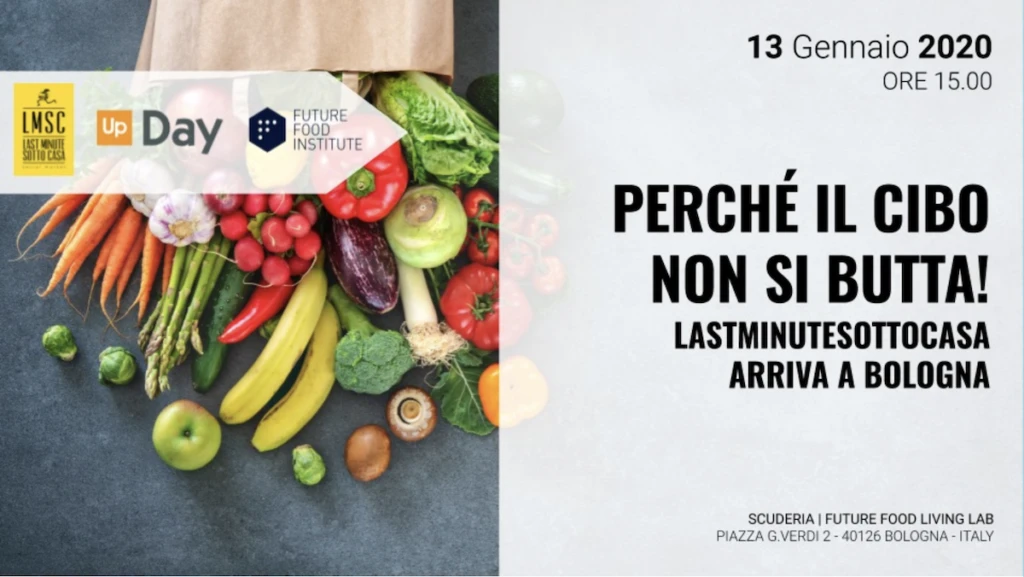
Understanding the Issue of Food Waste
Food waste, as perceived by a Martian, would be considered an insult or a joke. However, in reality, it’s a sad truth that we can’t ignore. The numbers are terrifying, but instead of being paralyzed by absurdity, we can take action. Yes, we can, even on a daily basis, with some intelligent and small actions.
The Shocking Statistics
Over a third of the food produced and distributed worldwide ends up in the trash. Instead of feeding 2 billion people for an entire year, we, as citizens of the world, are throwing away 1.3 billion tons of edible food. If this trend continues, we’ll face 9 billion people within less than 40 years, where do we want to go if we continue wasting resources, including food?
This situation is unsustainable from both an ethical and environmental perspective, as some people die from hunger while we seem to be concerned about food waste. And even on the environmental side, all unnecessary and avoidable waste adds to the crisis of a already stressed planet.
We shouldn’t escape into thinking that those who generate food waste are “the others” in our small but lovely peninsula, land of good cuisine, as every year, 8 billion euros’ worth of food is wasted. This not only raises an ethical and environmental concern but also an economic one: we lose 12.5 billion by wasting food, accounting for 54% at consumption, 21% in restaurants, 15% in commercial distribution, 8% in farming, and 2% in processing.
The Duty of Ethical Action
If there’s anyone still in denial about the evidence, maybe someone has had their glasses removed or taken off and decided to take action. This summer, a smart law against food waste was approved, signed by Deputata Maria Chiara Gadda of the Democratic Party. The initiative found broad consensus because, as we all know, avoiding food waste is a bipartisan victory.
The App LastMinuteSottoCasa: A Solution
It’s great that everyone does their part, but there’s someone who has decided to take action against food waste by creating an app. It’s called “LastMinuteSottoCasa” and was created in 2014 by Francesco Ardito and Massimo Ivul as a website to match consumers with products unsold and needing to be discarded. The result of this online matching is twofold: less food waste and fewer waste.
Partnering with Panettieres, Fish Markets, Cafes, and More
LastMinuteSottoCasa has partnered not only with bakeries but also fish markets, cafes, and all types of small retailers who sell perishable products daily that are usually thrown away the next day. The idea is effective without requiring any expertise in technology; just register as a vendor or consumer on LastMinuteSottoCasa, locate yourself, and get relevant offers.
How LastMinuteSottoCasa Works: A Video Explanation
After some sad but hopeful numbers, here’s a video explaining how it works, with the help of comedian Paolo Mingone.
If you enjoyed this article, please follow me on Twitter, Facebook, Google+, Pinterest
Recommended articles that might interest you:
- How to Reduce Food Waste
- Preserving Food
- Day Against Food Waste in Italy
- Healthy and Affordable Foods
The Impact of Food Waste on the Environment
Food waste has a significant impact on the environment. In fact, it is estimated that food production accounts for around 30% of global greenhouse gas emissions. This is because the entire process of growing, producing, processing, transporting, and consuming food requires vast amounts of energy and resources.
When food goes to waste, not only does it lead to unnecessary resource usage but also contributes to deforestation, water pollution, and soil degradation. Moreover, the production of synthetic fertilizers and pesticides required for crop cultivation can pollute our air, water, and land.
Food Waste Reduction Strategies
So, what can we do to reduce food waste? Here are some effective strategies that you can implement in your daily life:
- Meal planning: Plan your meals for the week, and make a shopping list accordingly. This will help you avoid buying too much food that may go to waste.
- Shop from local farmers: Buy fresh produce directly from local farmers or markets. Not only will this reduce transportation costs, but it will also ensure that the food is consumed within a shorter time frame.
- Store food properly: Store food in a cool, dry place, and use the “first-in, first-out” rule to ensure that older items are consumed before they go bad.
- Use up leftovers: Use leftover food to make new dishes or freeze it for later use.
- Compost: Composting food waste can reduce the amount of organic waste sent to landfills and create nutrient-rich soil for gardening.
Food Waste in Italy: A National Problem
Italy is not immune to the problem of food waste. In fact, it’s estimated that 8 billion euros’ worth of food is wasted each year in Italy alone. This not only has economic implications but also contributes to environmental degradation.
The Italian government has recognized the issue and has launched initiatives to reduce food waste. For example, the ” Law against Food Waste” was approved in 2017, which sets out specific measures for reducing food waste across all sectors.
LastMinuteSottoCasa: A Successful Model
LastMinuteSottoCasa is a model that has shown great success in reducing food waste. By partnering with local retailers and consumers, the app has managed to recover over 10 tons of food from households that would have otherwise gone to waste.
The app’s effectiveness lies in its simplicity. It allows consumers to register as vendors or buyers and connect with each other to share surplus food. This approach not only reduces waste but also promotes social connections and community engagement.
Conclusion
Reducing food waste is a challenge that requires individual action, collective responsibility, and policy changes. While there are many initiatives underway to address this issue, more needs to be done to make a significant impact.
By implementing simple strategies such as meal planning, shopping from local farmers, and storing food properly, we can all contribute to reducing food waste. Moreover, apps like LastMinuteSottoCasa offer innovative solutions that can connect consumers with retailers and reduce waste.
As individuals, we have the power to create change. Let’s join forces and work together to reduce food waste and make a positive impact on our planet.
Recommendations for Reducing Food Waste
- Reduce: Buy only what you need and avoid overbuying.
- Reuse: Use leftovers or creatively repurpose food waste.
- Recycle: Compost food waste or recycle it into nutrient-rich soil.
- Share: Share surplus food with friends, family, or community groups.
Final Thoughts
Food waste is a problem that affects us all, regardless of our social class, income level, or geographical location. It’s time for us to take action and work together to reduce food waste.
By understanding the issue, recognizing its impact, and implementing simple strategies, we can make a difference. Let’s join forces and create a more sustainable future for ourselves and future generations.
If you enjoyed this article, please follow me on Twitter, Facebook, Google+, Pinterest
Recommended articles that might interest you:
- How to Reduce Food Waste
- Preserving Food
- Day Against Food Waste in Italy
- Healthy and Affordable Foods


