
As we strive to eat healthier and more sustainably, many of us are turning to natural food preservation methods. One such method is dehydrating, also known as drying or desiccation. In this article, we’ll explore how dehydrators work, their benefits, and provide guidance on choosing the right one for your needs.
A Brief History of Food Preservation
Food preservation has been around for centuries. Our ancestors used salt and smoke to prevent spoilage, effectively preserving meat and fish. The primary function of food preservation is to delay spoilage by removing moisture from food, making it inhospitable to bacteria, yeast, and mold growth.
While natural methods are preferred, some additives can be problematic. Most additives are harmless, but some may alter their composition during digestion or cooking.
Benefits of Dehydrating
Dehydrating is a simple and cost-effective way to preserve food. Modern dehydrators offer a natural method of preservation without added preservatives. The benefits include:
- Reduced storage costs: Consider the cost of storing fresh produce versus dried products
- Increased shelf life: Dehydrated foods can be stored for months or even years
- Easy rehydration: Simply soak in water to restore freshness
How Dehydrators Work
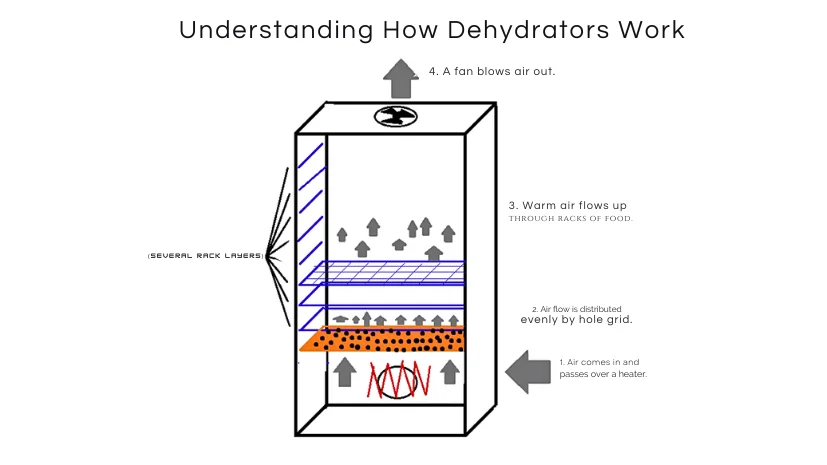
A dehydrator is an appliance consisting of multiple trays where food can be placed. The process involves removing moisture from the food, eliminating the need for refrigeration and preventing spoilage.
The dehydrating process eliminates the water content of the food, making it inhospitable to microorganisms. This method ensures that the preserved food remains fresh for a longer period.
Cost of Dehydrators
Dehydrator prices vary depending on the model and features:
- Basic models: €40-€60
- Advanced models: €100-€300
When choosing a dehydrator, consider factors such as the type of food you plan to preserve (e.g., fruits, vegetables) and the power consumption.
Top Dehydrator Picks
For our readers’ convenience, we’ve selected two top-rated dehydrators:
- Severin OD 2940: This model offers five interchangeable inserts for dehydrating a variety of foods.
- Excalibur Deluxe 9-Tray Dehydrator: This advanced model features multiple temperature settings and digital controls.
When shopping for a dehydrator, consider factors like versatility, power consumption, and ease of use.
Tips for Successful Dehydration
To ensure successful dehydration:
- Choose the right food: Fruits and vegetables are easier to dehydrate than meats or fish
- Monitor temperature: Ensure optimal temperatures (32-135°F) for safe dehydration
- Maintain cleanliness: Keep your dehydrator clean and sanitized to prevent contamination
By following these guidelines, you can enjoy the benefits of natural food preservation with a dehydrator.
Frequently Asked Questions
Q: What types of foods can be preserved using a dehydrator?
A: Fruits, vegetables, herbs, and spices are ideal candidates for dehydration
Q: How long does it take to dehydrate food using a dehydrator?
A: Dehydration times vary depending on the food item and temperature. As a general rule, fruits take 6-12 hours, while vegetables require 8-24 hours.
Q: Can I rehydrate dried foods at home?
A: Yes, simply soak in water to restore freshness
Q: What are some common mistakes when dehydrating food?
A: Overheating, underheating, and not monitoring temperature can result in spoiled or rancid products
Q: How often should I clean my dehydrator?
A: Regular cleaning prevents bacterial growth and ensures optimal performance
Dehydrating Techniques
To get the most out of your dehydrator, it’s essential to understand various techniques:
- Batch Dehydration: Divide large quantities into smaller batches for efficient use
- Temperature Control: Monitor temperature to ensure optimal dehydration
- Moisture Content: Achieve desired moisture levels for specific food items
Popular Foods for Dehydrating
Certain foods are more suitable for dehydrating than others:
- Fruits (e.g., apples, bananas)
- Vegetables (e.g., carrots, zucchini)
- Herbs (e.g., basil, rosemary)
- Spices (e.g., cumin, paprika)
Dehydrated foods can be enjoyed in various ways:
- Snacking: Enjoy dried fruits and vegetables as a healthy snack
- Baking: Use dehydrated ingredients to make homemade bread, granola, or energy bars
- Cooking: Add dehydrated herbs and spices to your favorite recipes



