
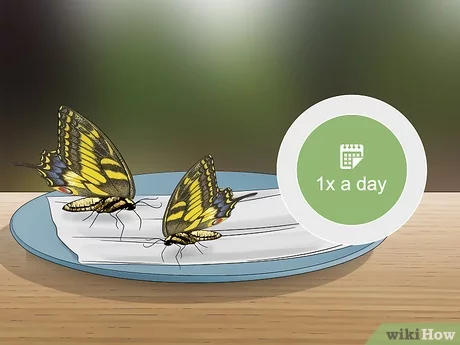
The meal moth, scientifically known as Plodia interpunctella, is a common pest that feeds on grains and similar products. This reason why meal moths can infest a wide range of dry vegetable-based foods such as cereals, bread, pasta, rice, couscous, flour, spices, dried fruits, and nuts, but also chocolate and coffee beans, biscuits, and bird food.
What to Do in Case of Meal Moth Invasion
If you’ve found larvae or moths, it’s crucial to clean up the food sources that are not sealed tightly. The meal moth larvae can infest food even if it’s stored in plastic bags and thin cardboard containers. Moreover, be aware that meal moths are notoriously difficult to eliminate, and they can crawl on ceilings and other areas beyond their kitchen or pantry of origin.
Meal moths can survive for several months without food, which makes them a persistent pest. They lay eggs in various hiding spots, such as cracks, crevices, and corners, where the larvae can feed undisturbed before pupating into adult moths. Once the adults emerge, they mate and begin the cycle again.
Using Heat Treatments
None of the meal moth stages is very tolerant of temperature extremes, so these insects can be killed by freezing or using hot ovens or microwaves. Cleaning up infested areas in the kitchen and pantry with a mixture of soap and water or acetic acid is also effective, as it removes any remaining eggs.
Meal moths can also be discouraged from their presence by using essential oils and non-toxic insecticides. It’s more efficient to treat the infestation by eliminating the source and contaminated food, interrupting their mating cycle, and repelling them from areas where they store dry foods and cereals. It’s recommended to eliminate the source of infestation before dealing with the larvae, eggs, and tars.
Preventing Easy Shelter
The most effective way to prevent meal moth infestations is to make it difficult for these insects to find a suitable shelter in your home.
Identifying this pest can be done by looking at an insect-shaped fly that circulates around food stores. This often happens at night rather than during the day, and you may also see these moths in the form of cocoons under furniture or other surfaces. Meal moth larvae usually move to other locations away from food sources to become pupae (such as holes in shelves, doorways, or drawer frames).
Common Places Where Meal Moth Larvae Hide
Meal moth larvae can hide in various places throughout your home, including:
- Holes and cracks in walls and floors
- Under furniture, carpets, and rugs
- Behind appliances and cabinets
- In corners and crevices of shelves and drawers
- Inside electrical outlets and switches
- Behind baseboards and door frames
Removal Advice
To prevent meal moth infestations, follow some steps that will help you remove existing risks and also prevent future infestations.
Throw away all contaminated food. Any food showing signs of contamination must be eliminated immediately; if in doubt about an open food package, it can be stored in the freezer for up to a week. Low temperatures eliminate any remaining eggs without being visible to the naked eye;
Empty your pantry and thoroughly clean everything using an aspirator and soap mixed with water or acetic acid. This also helps keep meal moths away;
Make sure you clean shelves and cabinets thoroughly, paying particular attention to lower surfaces, as these insects can hide there or lay eggs;
Use an air blower to clean out all gaps, corners, edges, and joints of walls, doors, furniture, and other surfaces that meal moths like to inhabit. Also, wash inside door handles and drawers with a soapy solution.
Take away any contaminated food items and trash outside the room, and store them in sealed bins until they are properly disposed of.
Clean all food containers with hot water and soap or use a single drop of chlorine;
Make sure everything is dry before using it to avoid meal moth infestations that thrive in moist environments;
Natural Methods for Disinfesting Kitchens from Meal Moths
There are several natural methods you can use to disinfest kitchens from meal moths. Using aromatic oils and plants like lavender, rosemary, lemon balm, cedar wood, or eucalyptus, you can deter these insects. For example, adding a few sprigs of dried lavender in corners or the lower surface of your shelves can help keep them away.
Additionally, you can add an allspice leaf directly to dry food containers such as flour or rice without affecting their quality. This is also good if you prefer not to use it, but at least attaching the allspice leaves inside the lids will have the desired effect.
Finally, some essential oils like peppermint oil, tea tree oil, citronella oil, and eucalyptus oil can reinforce these prevention methods and insect treatments. You only need a few drops of each in an air spritzer filled with acetic acid to be applied before wiping them down.
Remember that storing foods in containers made of glass, metal, or plaster with tight-fitting lids is also effective in preventing meal moth infestations.


