
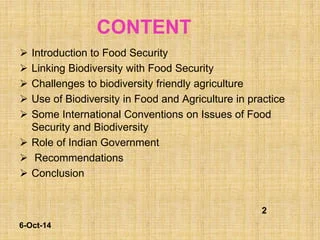
The Significance of Food Biodiversity
As we strive to maintain the delicate balance of our ecosystem, it is essential to acknowledge the importance of food biodiversity. This concept refers to the variety of plant species and genetic resources used for human consumption, which has been steadily declining over the past 50 years. The loss of this biodiversity poses a threat not only to the planet but also to humanity itself.
What is Food Biodiversity?
Food biodiversity encompasses the range of edible plants, trees, fruits, and other food sources that are part of our culinary heritage. It includes crops, fruits, vegetables, nuts, and seeds that have been cultivated and consumed by humans for centuries. The loss of this diversity has severe consequences for human health, environmental sustainability, and food security.
The Decline of Food Biodiversity
In recent decades, the agricultural industry has undergone a significant transformation, leading to the decline of traditional crop varieties. This shift towards industrial-scale farming has resulted in the widespread adoption of hybrid and genetically modified crops, which are better suited for mass production but lack the nutritional value and adaptability of their wild ancestors.
The Importance of Preserving Food Biodiversity
Food biodiversity is a precious resource that deserves our attention and protection. By preserving traditional crop varieties and promoting agroecological practices, we can maintain the genetic diversity of our food systems, which is essential for:
- Food Security: Access to diverse and nutritious foods ensures food security, particularly in regions where agricultural productivity is low.
- Nutritional Health: Traditional crops often provide a richer nutritional profile than their modern counterparts, offering higher levels of vitamins, minerals, and antioxidants.
- Environmental Sustainability: Agroecological practices promote soil conservation, efficient water use, and biodiversity conservation, all of which contribute to a more sustainable food system.
The Role of Fairs and Events
Fairs and events dedicated to food biodiversity play a crucial role in promoting this concept and encouraging its preservation. These platforms bring together farmers, researchers, policymakers, and consumers to share knowledge, showcase traditional crops, and advocate for the protection of our genetic heritage.
Some notable examples include:
- The Fiera della Biodiversità del Mediterraneo held at the Orto Botanico di Palermo, which highlights the rich culinary traditions of Sicily.
- The Settimana della Biodiversità Pugliese, an event that celebrates the unique agricultural heritage of Puglia.
Embracing Food Biodiversity in Everyday Life
Incorporating traditional crops into our diets can be a delicious and rewarding experience. By exploring new recipes, visiting local farmers’ markets, and joining food cooperatives, we can contribute to the preservation of our genetic heritage and promote a more sustainable food system.
Some recommended books that showcase the importance of food biodiversity include:
- “Maccheroni acqua e farina: 90 ricette di una rinnovata cultura alimentare” by Gino Girolomoni
- “Il cibo della terra” by Massimo Pigliacelli
Conclusion
Food biodiversity is a vital component of our ecosystem, and its preservation is essential for human health, environmental sustainability, and food security. By promoting agroecological practices, supporting traditional crop varieties, and engaging with the food community, we can work towards a more sustainable future for our planet.
Frequently Asked Questions (FAQs)
-
What is food biodiversity?
Food biodiversity refers to the variety of plant species and genetic resources used for human consumption.
2. Why is food biodiversity important?It ensures food security, nutritional health, and environmental sustainability.
3. How can we preserve food biodiversity?By promoting agroecological practices, supporting traditional crop varieties, and engaging with the food community.
4. What are some examples of food biodiversity fairs and events?The Fiera della Biodiversità del Mediterraneo and the Settimana della Biodiversità Pugliese are two notable examples.
5. How can we incorporate traditional crops into our diets?By exploring new recipes, visiting local farmers’ markets, and joining food cooperatives.
The Impact of Food Biodiversity on Human Health
Traditional crops often possess unique nutritional profiles that are lacking in modern counterparts. The loss of this diversity poses a risk to human health, particularly for vulnerable populations such as the elderly and young children.
The Nutritional Benefits of Traditional Crops
- Vitamin content: Many traditional crops are rich in vitamins A, C, and E, which are essential for immune function and overall health.
- Mineral content: Traditional crops often contain higher levels of minerals such as potassium, magnesium, and iron, which are crucial for maintaining healthy blood pressure and preventing anemia.
- Antioxidant content: The antioxidant properties of traditional crops can help protect against chronic diseases such as cancer and heart disease.
The Environmental Benefits of Food Biodiversity
Food biodiversity has a positive impact on the environment, contributing to:
- Soil conservation: Agroecological practices promote soil health through the use of cover crops, crop rotation, and reduced tillage.
- Efficient water use: Traditional crops often require less water than modern counterparts, reducing the strain on already limited water resources.
- Biodiversity conservation: Food biodiversity promotes the preservation of wild plant species, which is essential for maintaining ecosystem balance.
The Role of Policy in Preserving Food Biodiversity
Policy plays a crucial role in promoting food biodiversity and preserving traditional crop varieties. Governments can implement policies such as:
- Supporting small-scale farmers: Providing subsidies and training programs to support small-scale farmers who cultivate traditional crops.
- Promoting agroecological practices: Encouraging farmers to adopt agroecological practices that promote soil conservation, efficient water use, and biodiversity conservation.
- Protecting genetic resources: Establishing gene banks and other conservation initiatives to protect the genetic diversity of traditional crops.
The Role of Civil Society in Preserving Food Biodiversity
Civil society plays a vital role in promoting food biodiversity and preserving traditional crop varieties. Organizations such as:
- The European Coalition for Agricultural Research and Development (ECARD) work to promote sustainable agriculture practices and support small-scale farmers.
- The Food Sovereignty Movement advocates for the right to food and promotes local food systems that prioritize genetic diversity.
The Future of Food Biodiversity
The future of food biodiversity is uncertain, but there are steps we can take to ensure its preservation. By promoting agroecological practices, supporting traditional crop varieties, and engaging with the food community, we can work towards a more sustainable future for our planet.
Conclusion
Food biodiversity is a vital component of our ecosystem, and its preservation is essential for human health, environmental sustainability, and food security. By working together to promote agroecological practices, support traditional crop varieties, and engage with the food community, we can ensure that this precious resource is preserved for generations to come.
References:
- “Maccheroni acqua e farina: 90 ricette di una rinnovata cultura alimentare” by Gino Girolomoni
- “Il cibo della terra” by Massimo Pigliacelli


