
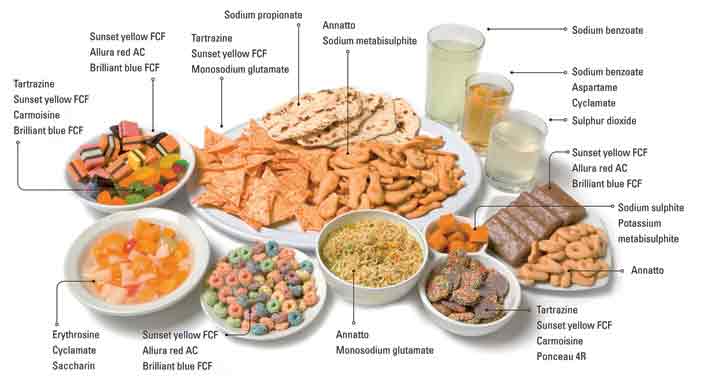
As a consumer, it’s natural to wonder what’s in the food you eat. With so many ingredients on labels, it can be overwhelming to decipher the codes and understand what they mean. In this article, we’ll delve into the world of food additives, exploring their categories, risks, and ways to avoid them.
What are Food Additives?
Food additives are substances added to food products to enhance their appearance, texture, taste, or shelf life. They can be classified into 24 categories, including colorants, preservatives, antioxidants, emulsifiers, and more. These additives can be found in a wide range of products, from packaged snacks to processed meats.
The Risks of Food Additives
While some food additives are considered safe by regulatory agencies, others have been linked to health problems. The problem lies in the lack of research on the synergistic effects of these substances when combined in food products. In fact, the average consumer consumes 2-3 kg of food additives per year.
The Hidden Dangers of Food Additives
Food additives can be toxic, even if they’re not immediately apparent. Some additives, such as colorants and preservatives, may cause harm to individuals with pre-existing health conditions or in certain sensitive populations, like children or the elderly.
Understanding the Codes on Labels
When shopping for food products, you’ll often see a series of letters and numbers on the label. These codes identify specific food additives and can be confusing. Let’s break down some common categories:
- Colorants: E100-E199
- Yellow (E100-E109)
- Yellow-orange (E110)
- Orange (E111)
- Red (E120-E129)
- Blue and violet (E130-E139)
- Green (E140-E149)
- Brown to black (E150-E160)
- Preservatives: E200-E299
- Acids (E210-E219)
- Nitrites (E220-E228)
- Antioxidants: E300-E385
- Emulsifiers and stabilizers: E400-E495
Tips for Avoiding Harmful Food Additives
To minimize your exposure to harmful food additives, follow these tips:
- Choose products with fewer ingredients and avoid those with artificial colors.
- Be cautious of foods containing benzoic acid (E210-E219), which can cause allergic reactions and intolerance.
- Avoid foods treated with diphenyl (E230) or thiabendazole (E233).
- Limit your consumption of processed meats and cheeses, as they often contain additives like glutamate monosodium (E621) and artificial flavor enhancers.
Common Foods to Avoid
Some foods are more likely to contain harmful additives than others. Be aware of the following products:
- Colored drinks: Many fruit juices and sports drinks contain artificial colors.
- Processed meats: Cured meats, such as sausages and bacon, often contain preservatives like sodium nitrite (E249).
- Dairy products: Some cheeses and yogurts may contain additives like xanthan gum or carrageenan.
The Science Behind Food Additives
Food additives can have a significant impact on our health. Research has shown that certain additives can alter the gut microbiome, leading to changes in metabolism and weight gain. Others may cause inflammation or disrupt the immune system.
The Role of the Gut Microbiome
The gut microbiome plays a crucial role in our overall health. When we consume food additives, they can affect the balance of beneficial bacteria in our digestive system. This can lead to a range of problems, from digestive issues to mental health concerns.
Natural Alternatives to Food Additives
There are many natural alternatives to food additives that can enhance the flavor and texture of your food. Some options include:
- Herbs and spices: Fresh or dried herbs like turmeric, ginger, or basil can add flavor without adding artificial ingredients.
- Fruit and vegetables: Using fresh fruits and vegetables as a base for sauces and marinades is a great way to reduce the need for additives.
- Plant-based sweeteners: Instead of refined sugars, try using plant-based sweeteners like honey or maple syrup.
Label Reading 101
When shopping for food products, it’s essential to read labels carefully. Here are some tips to help you identify potential additives:
- Check the ingredient list: Look for words like “artificial colors,” “preservatives,” and “stabilizers.”
- Be wary of vague language: Avoid ingredients labeled as “natural flavors” or “spices,” which may be misleading.
- Choose products with fewer ingredients: Opt for products with shorter lists, as they’re likely to contain fewer additives.
The Impact on Mental Health
Some research suggests that certain food additives can have a significant impact on mental health. Artificial flavor enhancers, in particular, may contribute to anxiety and depression.
Conclusion
Food additives can be a hidden threat to our health. By understanding the categories and risks associated with these substances, you can make informed choices about what you eat. Remember, it’s not necessary to eliminate all food additives from your diet, but reducing your consumption is a great step towards a healthier lifestyle.
Frequently Asked Questions
- What is the most common food additive used in processed foods?
E621 (glutamate monosodium) is commonly found in many products, including broths and soups. - Can all food additives be trusted?
No, some additives have been linked to health problems or are considered carcinogenic. - How can I avoid artificial colors in my diet?
Choose foods with natural coloring agents, such as fruits and vegetables. - What is the safest way to consume processed meats?
Opt for products with fewer ingredients and avoid those containing added preservatives. - Can food additives affect my mental health?
Some research suggests that certain additives, like artificial flavor enhancers, may contribute to anxiety and depression. - How can I identify which foods contain solvents?
Look for products labeled as “made in the USA” or “made without solvents,” as some imported goods may contain these chemicals. - Can food additives be removed from my diet completely?
While it’s not necessary to eliminate all additives, reducing your consumption is a great step towards a healthier lifestyle. - What should I do if I suspect an allergic reaction to a food additive?
If you experience symptoms like hives, itching, or difficulty breathing after consuming a suspected additive, seek medical attention immediately.
Additional Resources
- National Institute of Environmental Health Sciences: Food Additives
- European Food Safety Authority: Food Additives
- FDA: Food Additives
By staying informed and making conscious choices about the food you eat, you can minimize your exposure to harmful additives and promote overall health and well-being.


