
Folic acid is a crucial nutrient that plays a vital role in various bodily functions. However, many people are unaware of the risks associated with its deficiency, which can lead to serious health complications. In this article, we will delve into the world of folic acid, exploring its benefits, causes of deficiency, symptoms, diagnosis, treatment, and prevention strategies.
What is Folic Acid and What Does it Do?
Folic acid, also known as vitamin B9, is a water-soluble nutrient that is essential for various bodily processes. It helps to build proteins, produce DNA, aid in the formation of red blood cells, and maintain healthy skin, hair, and nails. Without sufficient folic acid, these functions can be impaired, leading to a range of health problems.
Folic acid plays a particularly crucial role during pregnancy and lactation. During these periods, the body requires more folic acid to support the growth and development of the fetus or baby. Insufficient folic acid levels have been linked to an increased risk of birth defects, such as spina bifida and anemia.
Why Do We Suffer from Folic Acid Deficiency?
Folic acid deficiency can occur due to various factors, including:
- Insufficient dietary intake: Many people do not consume enough folic acid-rich foods in their diet. This is particularly true for individuals who follow a vegetarian or vegan lifestyle.
- Poor absorption through the intestines: Some people may have difficulty absorbing folic acid from food due to conditions such as celiac disease, Crohn’s disease, or ulcerative colitis.
- Increased demand for folic acid during pregnancy or lactation: As mentioned earlier, the body requires more folic acid during these periods. Women who are pregnant or breastfeeding may need to take additional supplements to ensure they have sufficient levels.
- Medications that interfere with folic acid absorption or increase its demand: Certain medications, such as anticonvulsants and diuretics, can interfere with folic acid absorption or increase the body’s demand for it.
Symptoms of Folic Acid Deficiency
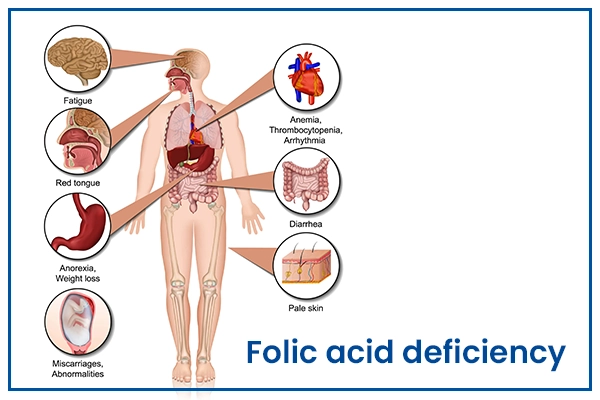
Folic acid deficiency can manifest in various ways, including:
- Fatigue: Feeling tired or lacking energy is one of the most common symptoms of folic acid deficiency.
- Loss of appetite: A decrease in appetite can occur due to a lack of nutrients, including folic acid.
- Headaches: Headaches are another common symptom of folic acid deficiency, which can be severe and debilitating.
- Pale skin: Folic acid plays a role in the production of red blood cells. Without sufficient levels, the skin may appear pale or washed out.
- Red, irritated, and swollen lips: This symptom is often associated with other nutrient deficiencies, such as vitamin B12 deficiency.
- Mouth ulcers: Folic acid helps to maintain healthy oral tissues. A deficiency can lead to mouth ulcers and other oral health problems.
- Shortness of breath: In severe cases, folic acid deficiency can lead to shortness of breath or difficulty breathing.
How is Folic Acid Deficiency Diagnosed?
Diagnosis typically involves a blood test to measure folic acid levels in the body. This may be combined with an examination of red blood cells to confirm the presence of folate deficiency.
Blood tests can detect folic acid levels, but they are not always accurate. Other diagnostic methods, such as urinalysis and imaging studies, may also be used to rule out other conditions that could cause similar symptoms.
Treating Folic Acid Deficiency
Treatment usually involves supplementing the diet with folic acid-rich foods or medications. The treatment period can vary depending on the severity of the deficiency and individual circumstances.
Folic acid supplements are available over-the-counter in various forms, including capsules, tablets, and injections. In severe cases, hospitalization may be necessary to manage symptoms and prevent complications.
Prevention Strategies
Preventing folic acid deficiency requires a balanced diet rich in certain foods, such as:
- Whole grains: Whole grains, such as brown rice, quinoa, and whole-wheat bread, are excellent sources of folic acid.
- Fresh fruits and vegetables (especially dark leafy greens): Leafy green vegetables like spinach, kale, and collard greens are rich in folic acid.
- Legumes: Legumes, such as lentils, chickpeas, and black beans, are excellent sources of protein and folic acid.
- Meat: Meat, particularly organ meats like liver, is a good source of folic acid.
- Liver: Liver is one of the richest sources of folic acid, making it an essential component of a balanced diet.
- Eggs: Eggs are another excellent source of protein and folic acid.
- Citrus fruits and juices: Citrus fruits like oranges and grapefruits are rich in vitamin C, which helps to increase the absorption of folic acid.
In addition to dietary changes, preventing folic acid deficiency can also involve:
- Prenatal vitamins: Pregnant women should take prenatal vitamins that contain folic acid to support fetal development.
- Folic acid injections: In some cases, folic acid injections may be necessary to manage severe deficiencies or prevent complications.
Conclusion
Folic acid is an essential nutrient that plays a vital role in maintaining overall health. By understanding the causes, symptoms, diagnosis, treatment, and prevention strategies for folic acid deficiency, individuals can take proactive steps to protect their health.
While folic acid deficiency can be treated with supplements and medications, it’s also possible to prevent it through a balanced diet and lifestyle changes. By prioritizing folic acid-rich foods and taking prenatal vitamins during pregnancy, individuals can reduce the risk of deficiency and ensure optimal health.
FAQs
- What are the most common causes of folic acid deficiency?
- Insufficient dietary intake
- Poor absorption through the intestines
- Increased demand during pregnancy or lactation
- How is folic acid deficiency diagnosed?
- Blood test to measure folic acid levels
- Examination of red blood cells for folate deficiency
- What are the symptoms of folic acid deficiency?
- Fatigue
- Loss of appetite
- Headaches
- Pale skin
- Red, irritated, and swollen lips
- Mouth ulcers
- Shortness of breath
- Intestinal changes (diarrhea)
- Can folic acid deficiency be treated?
- Yes, with supplementation or medications
- How can I prevent folic acid deficiency?
- Balanced diet rich in certain foods (whole grains, fresh fruits and vegetables, legumes, meat, liver, eggs, citrus fruits and juices)


