
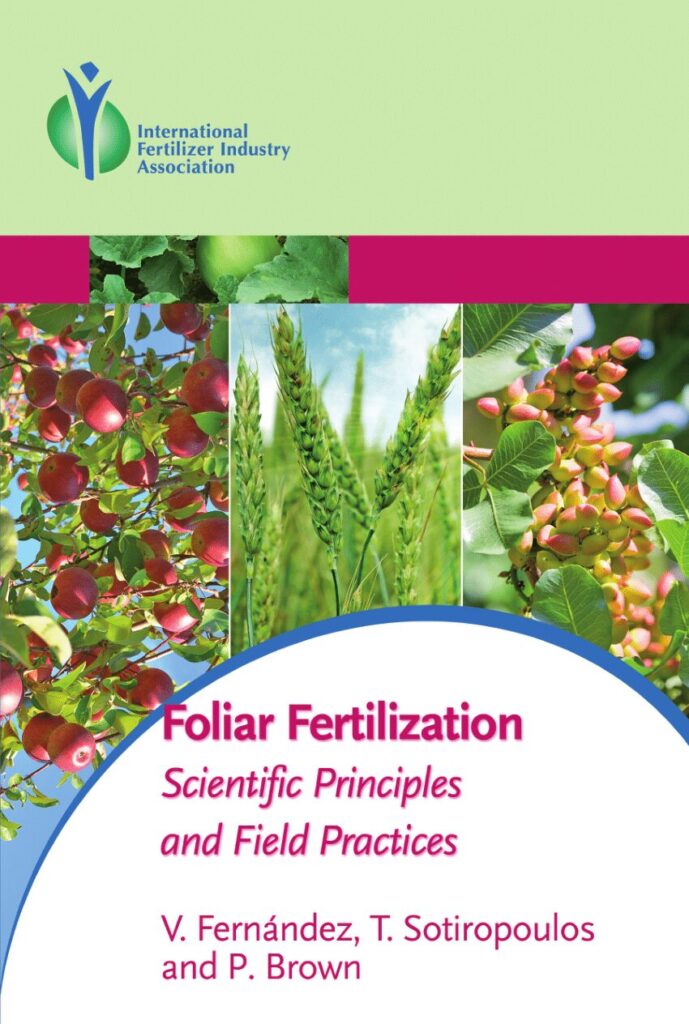
The Benefits of Foliar Fertilization: When and How to Practice It
You might be wondering why foliar fertilization is necessary when plants are naturally equipped to absorb nutrients through their roots. The truth is, plants can also absorb water and minerals through their leaves, albeit in smaller quantities but at a faster rate than root absorption.
Foliar fertilization is indeed ideal for emergency treatments or supplementing one or more essential elements when your plant is struggling. However, for regular nourishment, traditional soil fertilization is the preferred method, as it provides sustained nutrition and prevents soil depletion.
Understanding the Importance of Phosphorus
When it comes to foliar fertilization, most products contain both primary and micronutrients. One exception is phosphorus, a critical element that’s essential for plant growth. Unlike nitrogen and potassium, phosphorus cannot be absorbed through leaves alone; therefore, true foliar fertilizers should avoid adding this crucial nutrient.
Many liquid fertilizers can be used for both root and leaf fertilization, but if you have products with high levels of phosphorus at home, use them sparingly or switch to a different fertilizer. Products specifically designed for foliar fertilization typically contain micronutrients like iron, zinc, copper, boron, etc., which plants need only in short-term amounts.
The Best Time and Method
Foliar fertilization is most effective on young leaves, as they have a better capacity for absorption. To enhance this process, gently water the leaves with a fine spray before applying the fertilizer. Before starting, ensure the soil has been well-watered to prevent any shock to the plant.
When applying foliar fertilizer, avoid spraying during peak heat hours or under direct sunlight. The best time is late afternoon on an overcast day, when the temperature is relatively stable. If you’re using a general-purpose fertilizer, apply it during the spring growth phase, while individual micronutrients can be added as needed.
Using the Right Equipment
A gentle spray bottle and pump are all you need for foliar fertilization. To avoid burning your plant’s leaves, use distilled water or rainwater instead of tap water. Also, never douse your plants with too much water; a light mist is sufficient to facilitate nutrient uptake.
When it comes to choosing the right fertilizer, look for products containing iron, zinc, copper, and boron – essential micronutrients that promote plant health. If you’re new to foliar fertilization, start by using a gentle, biologically rich foliar spray on your younger plants.
Common Mistakes to Avoid
- Overwatering: Too much water can lead to leaf burn or even kill the plant.
- Underwatering: On the other hand, insufficient moisture can reduce nutrient absorption.
- Wrong Temperature: Spraying during extreme heat or cold can damage your plants’ leaves.
How to Conclude and Harvest
In conclusion, foliar fertilization is a powerful tool for supplementing your plant’s diet when needed. By choosing the right products and following these guidelines, you can promote healthy growth, prevent deficiencies, and enjoy lush, vibrant foliage.
Frequently Asked Questions:
- When should I use foliar fertilizers? Apply them during periods of stress or nutrient deficiency.
- How often should I spray my plants with foliar fertilizers? Use them as needed, usually once a week or when the leaves appear yellowed or scorched.
- What are the benefits of using distilled water for foliar fertilization? Distilled water reduces mineral buildup and prevents potential toxicity to your plants.
- Can I use tap water for foliar fertilization? Avoid it, as tap water can contain high levels of minerals that may harm your plants.
- How long does it take for foliar fertilizers to be absorbed by my plants? The absorption process typically begins within 15-30 minutes and continues over several hours.
- Can I mix different types of fertilizers when using the foliar method? Always check the label of your fertilizer to ensure compatibility before mixing products.
- What are some popular micronutrients used in foliar fertilizers? Iron, zinc, copper, and boron are commonly added to promote plant health.
- How can I protect my plants’ leaves from damage during spraying? Use a gentle spray nozzle or pump, and avoid dousing your plants with too much water.
Additionally, here are some more tips for using foliar fertilizers effectively:
- Always read the label of your fertilizer to ensure it’s safe for use on your specific plant species.
- Start with small amounts and gradually increase as needed to prevent overloading your plant’s system.
- Be mindful of the pH level of your fertilizer, as some products may cause nutrient imbalances if used excessively.
- Consider using a foliar spray that contains beneficial bacteria, which can help maintain soil health and promote overall plant well-being.
By following these guidelines and best practices for foliar fertilization, you can create a healthy and thriving environment for your plants to grow and thrive.


