
Introduction
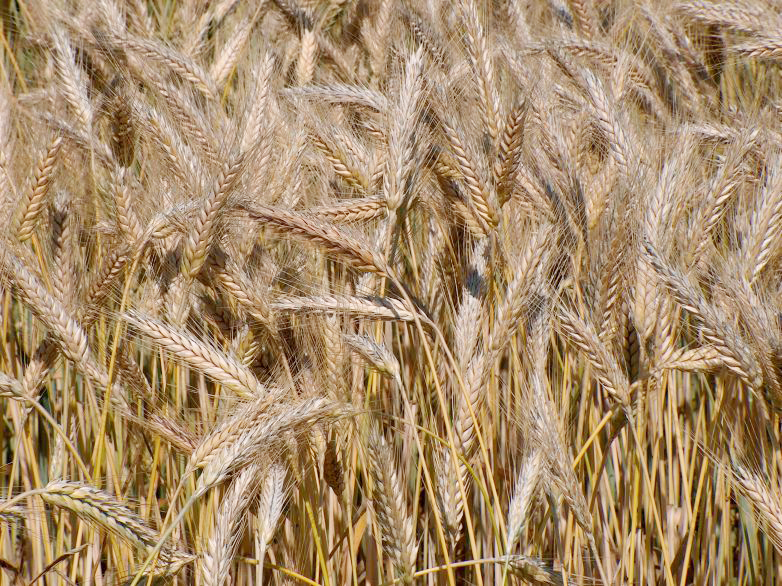
Triticale, also known as forage triticale, is a highly versatile crop used for grazing and various other uses related to livestock. In simple terms, it’s an intersection between wheat and rye, making it an excellent forage option for many animals, including dairy cows, beef cattle, and more.
History of Triticale
The concept of breeding triticale originated in the 1950s by plant breeders from different countries who sought to improve the productivity of both wheat and rye. Since then, significant progress has been made in developing high-yielding, disease-resistant triticale varieties suitable for a wide range of agricultural applications.
Why Choose Triticale?
The reasons behind the widespread use of triticale are well-known: it contains a high level of proteins, has high digestibility, and yields significantly better results than other cereals. Given the frequent early harvests that must contend with dry conditions, this is an ideal time to consider planting triticale and supporting your forage stock.
Consultant Agronomists’ Perspective
Many consultant agronomists appreciate triticale’s potential yield and quality of forage. However, it’s essential to note that these benefits should be weighed against some key characteristics, such as the need for precise timing and attention to detail when harvesting. To help you make the most of your triticale crop, we’ve gathered a series of tips tailored to provide you with the best results.
Tip 1: Buy High-Quality Seeds
When purchasing seeds, always choose high-quality varieties from reputable suppliers. Investing in superior seed ensures that it will germinate and produce higher yields. Avoid using unknown or low-quality seeds, as they may result in significantly lower yields and more effort spent on achieving a good harvest.
Tip 2: Plant Early
Timing is crucial when planting triticale. Ideally, plant the seeds 10 to 14 days before the local winter wheat’s planting date. This will ensure maximum germination rates and optimal growth potential. Instead of sowing multiple seeds, focus on planting fewer but earlier ones – it may seem counterintuitive, but this approach will save you time and money in the long run.
Tip 3: Apply Nitrogen
Nitrogen application is essential for triticale growth. Incorporating compost or manure into the soil before seeding can benefit early growth. You may also want to consider applying additional nitrogen to subsequent plantings.
Tip 4: Sow at the Right Depth
Sowing seeds at a depth of 3 inches ensures better germination rates and reduced seedling emergence during springtime. If you’re using machinery for mass sowing, adjust your settings accordingly to achieve this optimal depth.
Nutritional Value of Triticale
Triticale contains all essential amino acids necessary for animal growth, which makes it an excellent option for livestock feeding. The crop’s nutritional profile includes:
- High-quality protein content (around 15-20%)
- Balanced fatty acid composition
- Low levels of anti-nutrients such as phytates and oxalates
Benefits of Triticale in Livestock Feed
The inclusion of triticale in livestock feed can lead to several benefits, including:
- Improved digestibility
- Enhanced nutritional profile
- Reduced risk of disease associated with poor-quality forage
- Increased overall animal health and productivity
Frequently Asked Questions (FAQs)
- What is the best way to care for triticale plants during the germination period?
Care should focus on providing optimal moisture and temperature conditions during seedling growth stages. Avoid overwatering, as this may hinder development. - How do I determine if my triticale crop is ready for harvest?
Look out for signs of maturity such as dryness, color changes, or a combination of both. Regularly inspect the crops to ensure that you catch them at the optimal time. - Can I use synthetic fertilizers on triticale plants instead of natural materials like compost or manure?
While synthetic fertilizers can provide quick results, they may not offer the same long-term benefits as organic amendments. Compost and manure are generally recommended due to their high nutrient retention rates. - What is the ideal soil pH range for growing triticale?
Triticale prefers slightly acidic to neutral soil pH levels (5.5-7.0). Avoid extreme acidity or alkalinity, as these can negatively impact plant growth and productivity. - Can I grow triticale in areas with poor drainage?
While triticale is relatively adaptable to various environmental conditions, it thrives best in well-drained soils. Poor drainage may lead to root rot and reduced yields. - What are some potential pests or diseases that affect triticale crops?
Regular monitoring of the crop can help you identify issues such as aphids, leaf spots, or rusts early on. Implementing integrated pest management techniques will be crucial for minimizing damage. - How do I handle crop rotation when growing triticale in combination with other crops?
Crop rotation is essential to prevent pests and diseases from spreading across your fields. Consider incorporating different crops that complement each other, such as legumes or cover crops, to create a balanced agricultural ecosystem.
Conclusion
In this introduction, we aimed to provide some useful starting points for exploring the potential of triticale as a crop option. We discussed its benefits, nutritional value, and various growing conditions. If you’re interested in learning more about specific growing conditions or would like personalized guidance, consider consulting an agricultural expert who can support you throughout this process.
Case Studies: Successful Triticale Crops
- Triticale as a rotational crop for wheat
A farmer from Montana planted triticale as a rotational crop for winter wheat to improve its yield and quality. - Using triticale in a dairy cow’s diet
A producer from Wisconsin chose to incorporate triticale into their dairy cow’s diet due to its high-quality protein content and improved digestibility.
Best Practices for Harvesting Triticale
- Cut the crop at the right time: Monitor weather conditions, moisture levels, and plant development to determine optimal harvest timing.
- Use efficient harvesting equipment: Optimize your machinery settings to minimize waste and maximize efficiency during the harvest process.
- Drying triticale crops: Properly dry the harvested crop to prevent spoilage and maintain quality.
By following these guidelines, you’ll be well-equipped to grow healthy, productive triticale crops that meet your livestock’s nutritional needs.


