
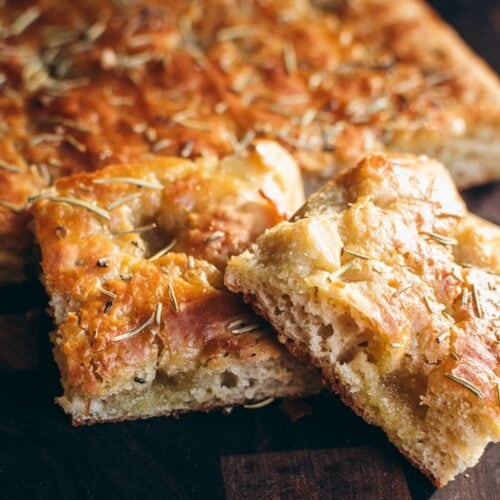
Introduction
When it comes to gluten-free baking, rice flour is a popular choice among those with dietary restrictions. But have you ever considered making focaccia using rice flour? It’s a game-changer! In this article, we’ll explore the benefits of using rice flour in focaccia, as well as provide two simple recipes for you to try at home.
The Benefits of Rice Flour Focaccia
Rice flour is a great alternative to traditional wheat flour for several reasons:
- It’s naturally gluten-free, making it perfect for those with celiac disease or gluten intolerance.
- It has a lower glycemic index than wheat flour, which means it won’t cause a spike in blood sugar levels.
- It’s also lighter and fluffier than traditional focaccia made with wheat flour.
Recipe 1: Pan-Fried Rice Flour Focaccia
This recipe is quick, easy, and perfect for a weeknight dinner. Simply mix together the following ingredients:
- 1 kg of cooked rice
- 200g of rice flour
- 30g of potato starch
- 15g of salt
- 2 tablespoons of olive oil
- Herbs and spices to taste
Combine the rice, flour, potato starch, and salt in a bowl. Add the olive oil and mix until the dough comes together.
Heat a non-stick pan over medium heat and add the dough. Cook for 3-4 minutes on each side, or until golden brown.
Recipe 2: Oven-Roasted Rice Flour Focaccia with Cremor Tartaro
This recipe is perfect for those who want to try their hand at making a more traditional focaccia using rice flour. Simply mix together the following ingredients:
- 130g of rice flour
- 20g of cornstarch
- 1 tablespoon of cremor tartaro
- 0.5 teaspoon of baking soda
- 5g of salt
- 20ml of olive oil
- 110g of warm water
Combine the rice flour, cornstarch, and cremor tartaro in a bowl. Add the baking soda and salt, and mix until well combined.
Add the olive oil and warm water to the mixture, stirring until a dough forms.
Knead the dough for 5-10 minutes until it becomes smooth and elastic.
Shape the Dough
Shape the dough into a circle or oval shape, about 22cm in diameter.
Place the shaped dough on a baking sheet lined with parchment paper.
Dot the top of the dough with olive oil and add your choice of toppings, such as cherry tomatoes, olives, and herbs.
Bake in a preheated oven at 180°C for 30 minutes.
Tips and Variations
- Use different types of rice flour to create unique flavors and textures.
- Experiment with various herbs and spices to give your focaccia an extra boost of flavor.
- Try using other ingredients, such as sweet potatoes or carrots, to add natural sweetness and color to your focaccia.
The History of Focaccia
Focaccia is a type of Italian flatbread that originated in the city of Genoa. The word “focaccia” comes from the Latin word “focus,” which means fire. Over time, focaccia became a staple food in Italy, often served as an accompaniment to soups and salads.
Variations of Focaccia
There are many different variations of focaccia that you can try at home. Some popular options include:
- Rosemary and olive oil focaccia
- Garlic and herb focaccia
- Cheese and ham focaccia
- Sun-dried tomato focaccia
Focaccia in Modern Cuisine
Focaccia is not just a traditional Italian dish anymore. It’s been incorporated into modern cuisine as a versatile ingredient that can be used in a variety of dishes. Some popular ways to use focaccia include:
- Using it as a base for sandwiches
- Topping it with cheese and meats for a quick snack
- Serving it alongside soups and salads
Conclusion
Making focaccia with rice flour is a game-changer for those with dietary restrictions. With two simple recipes to try at home, you’ll be well on your way to creating delicious and gluten-free focaccia that’s sure to impress. So why not give it a try today? Your taste buds (and your body) will thank you.
Frequently Asked Questions
Q: What is the best type of rice flour for making focaccia?
A: The best type of rice flour for making focaccia is one that is finely milled and has a low protein content. This will help create a tender and delicate texture.
Q: Can I use other types of gluten-free flours in place of rice flour?
A: Yes, you can experiment with different types of gluten-free flours to find the one that works best for you. Some options include almond flour, coconut flour, and potato starch.
Q: How do I store leftover focaccia?
A: Leftover focaccia can be stored in an airtight container at room temperature for up to 2 days or frozen for up to 2 months.
Q: Can I make focaccia with rice flour in the microwave?
A: No, it’s not recommended to make focaccia in the microwave. The heat distribution is uneven and can result in a dense and unpleasant texture.
Q: Can I top my focaccia with cheese and herbs?
A: Absolutely! Cheese and herbs are a classic topping combination for focaccia. Try using different types of cheese, such as mozzarella or parmesan, and add some fresh herbs like basil or rosemary for extra flavor.


