
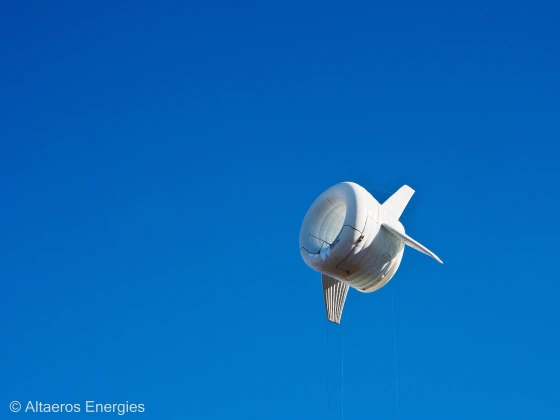
As the world continues to grapple with the challenges of climate change and environmental degradation, innovative solutions like flying wind turbines have emerged as a promising way to generate renewable energy. In this article, we’ll delve into the world of flying wind turbines, exploring their history, technology, benefits, and future prospects.
What is a Flying Wind Turbine?
A flying wind turbine, also known as an airborne wind turbine (AWT), is a type of wind turbine that uses advanced materials and aerodynamics to generate electricity while hovering above the ground. Unlike traditional wind turbines, which rely on foundations and towers to capture wind energy, flying wind turbines are designed to operate at high altitudes, typically between 300 and 1,000 feet above the ground.
How Does it Work?
The Altaeros BAT (Buoyant Airborne Tourbine) is a pioneering example of a flying wind turbine. Developed by Altaeros Energies, this innovative technology uses advanced materials such as carbon fiber and aerodynamic designs to create lift and thrust, allowing it to stay aloft for extended periods of time. The rotor diameter of the Altaeros BAT is approximately 100 feet, which is similar to that of a commercial wind turbine.
The flying wind turbine works by using the principles of aerodynamics to generate lift and thrust. As air flows over the curved surface of the rotor blades, it creates an area of lower air pressure above the blade and higher air pressure below it. This pressure difference creates an upward force called lift, which allows the turbine to hover in place. The thrust generated by the turbine is then harnessed using a generator or electrical converter.
The Benefits of Flying Wind Turbines
Flying wind turbines like the Altaeros BAT offer several advantages over traditional wind turbines:
- Increased energy production: By operating at higher altitudes, flying wind turbines can capture more wind energy and generate more electricity.
- Reduced visual impact: Flying turbines are less visible from the ground, making them a more acceptable option for communities near wind farms.
- Lower costs: Flying turbines require fewer foundations and installation costs, reducing their overall expense.
- Increased efficiency: Flying turbines can operate at higher altitudes, where winds are typically stronger and more consistent, resulting in increased energy production.
The History of Flying Wind Turbines
While the Altaeros BAT is not the first flying wind turbine on the market, it’s certainly one of the most advanced. Other companies, such as Makani Power and Kite Gen, have also developed flying wind turbine technologies that have gained attention in recent years.
- Makani Power: In 2013, Google acquired Makani Power, a startup that had developed a flying wind turbine called the “Makani M-10.” The company’s technology has been used to power small islands and remote communities.
- Kite Gen: An Italian company, Kite Gen, has also developed a flying wind turbine called the “KiteGen.” The technology is still in its infancy, but it shows promise for generating electricity in areas with limited access to traditional energy sources.
The Future of Flying Wind Turbines
While flying wind turbines are not yet widely adopted, they offer a promising solution for renewable energy production. As technology continues to advance, we can expect to see more efficient and cost-effective designs emerge.
- Challenges: Flying wind turbines face several challenges, including the high costs associated with development and installation. Additionally, the regulatory environment is still evolving, making it difficult to secure permits and approvals.
- Opportunities: Despite these challenges, flying wind turbines offer numerous opportunities for innovation and growth. As demand for renewable energy continues to rise, companies will need to develop more efficient and cost-effective solutions.
Conclusion
The flying wind turbine is an innovative solution that has the potential to revolutionize the way we generate electricity. With its ability to operate at high altitudes and reduce costs, it’s an attractive option for communities looking to transition to renewable energy. As technology continues to advance, we can expect to see more efficient and cost-effective designs emerge.
FAQs
- Q: How does a flying wind turbine work?
A: A flying wind turbine uses advanced materials and aerodynamics to create lift and thrust, allowing it to stay aloft for extended periods of time. - Q: What are the benefits of flying wind turbines?
A: Flying wind turbines offer increased energy production, reduced visual impact, and lower costs compared to traditional wind turbines. - Q: Who has developed flying wind turbines?
A: Companies such as Altaeros Energies, Makani Power, and Kite Gen have developed flying wind turbine technologies. - Q: What are the challenges facing flying wind turbines?
A: Flying wind turbines face high development and installation costs, as well as regulatory challenges in securing permits and approvals. - Q: What opportunities exist for flying wind turbines?
A: Despite challenges, flying wind turbines offer numerous opportunities for innovation and growth, particularly as demand for renewable energy continues to rise.
Investing in Flying Wind Turbine Projects
For those interested in investing in flying wind turbine projects, there are several options available. Companies such as Altaeros Energies and Makani Power have established partnerships with investors to develop their technologies. Additionally, governments and organizations offer incentives and funding opportunities for renewable energy projects, including flying wind turbines.
Real-World Applications of Flying Wind Turbines
Flying wind turbines have the potential to transform the way we generate electricity in various sectors, from residential to commercial to industrial. Some real-world applications include:
- Residential energy generation: Small-scale flying wind turbines can be used for residential energy generation, providing a clean and renewable source of power.
- Commercial energy generation: Flying wind turbines can be used to power commercial buildings, reducing reliance on fossil fuels and decreasing greenhouse gas emissions.
- Industrial energy generation: Large-scale flying wind turbines can be used to power industrial processes, such as cement production or desalination plants.
Conclusion
The flying wind turbine is an innovative solution that has the potential to revolutionize the way we generate electricity. With its ability to operate at high altitudes and reduce costs, it’s an attractive option for communities looking to transition to renewable energy. As technology continues to advance, we can expect to see more efficient and cost-effective designs emerge.
Future Outlook
The future outlook for flying wind turbines is promising, with ongoing research and development aimed at increasing efficiency and reducing costs. As demand for renewable energy continues to rise, companies will need to develop more efficient and cost-effective solutions. With the potential to transform the way we generate electricity, flying wind turbines are an exciting area of innovation that promises to shape the future of renewable energy.
Conclusion
The flying wind turbine is a game-changer for renewable energy production, offering numerous benefits and opportunities for innovation and growth. As technology continues to advance, we can expect to see more efficient and cost-effective designs emerge. With its ability to operate at high altitudes and reduce costs, it’s an attractive option for communities looking to transition to renewable energy. The future of flying wind turbines is bright, and they have the potential to transform the way we generate electricity in the years to come.


