
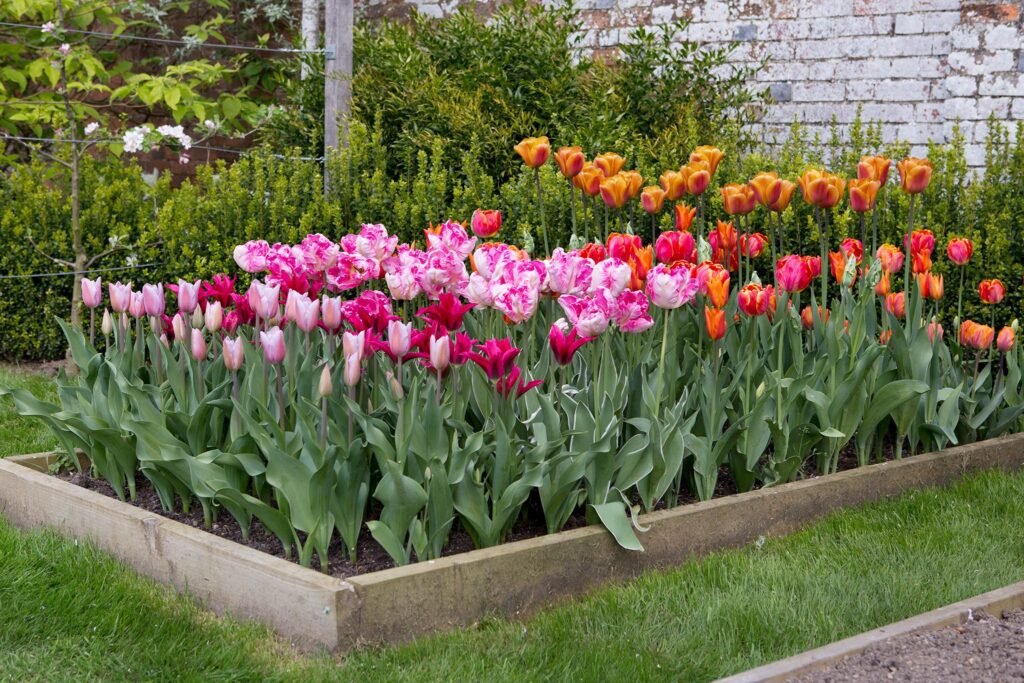
Creating a beautiful garden border is an art form that requires careful consideration of the plants you choose, their needs, and how they will work together in your specific environment. When it comes to selecting flowers for your garden borders, there are many factors to consider, from soil and sunlight requirements to nutrient needs, temperature tolerance, and pH levels.
In this comprehensive guide, we’ll explore the key considerations for choosing the perfect plants for your garden borders, including understanding their needs, consulting with an expert, and selecting varieties that thrive in different conditions. We’ll also examine three specific varieties of flowers that are designed specifically for border planting: Campanula portenschlagiana, Iris semprevirens, and Saponaria ocymoides.
Understanding the Needs of Flowers for Border Planting
Before you start choosing plants for your garden borders, it’s essential to understand their needs. This includes considering factors such as:
- Soil requirements: Different plants have specific soil preferences, whether it’s acidic, alkaline, or neutral.
- Sunlight tolerance: Some plants require full sun, while others prefer partial shade or full shade.
- Nutrient requirements: Plants need different types of nutrients to thrive, such as nitrogen, phosphorus, and potassium.
- Temperature tolerance: Some plants are sensitive to extreme temperatures, while others can tolerate heat or cold better than others.
- pH levels: Different plants have specific pH preferences, whether it’s acidic, alkaline, or neutral.
By understanding the needs of different flowers, you can choose varieties that will thrive in your garden borders and provide a healthy, durable display of color and texture.
The Importance of Consulting an Expert
If you’re new to landscape design or unsure about which plants will thrive in your specific environment, it’s always best to consult with an expert. They can provide personalized advice based on your unique conditions and help you choose the perfect plants for your borders.
A professional landscaper or gardener can assess your garden’s specific needs and recommend plants that are well-suited to your climate, soil type, and sunlight conditions. They can also offer guidance on how to care for your plants, including watering, pruning, and fertilizing techniques.
Three Varieties Designed Specifically for Border Planting
For this article, we’ll be focusing on three varieties of flowers that are specifically designed for border planting: Campanula portenschlagiana, Iris semprevirens, and Saponaria ocymoides. These plants offer a range of colors, including white, pink, and blue, and can add beauty and interest to your garden borders.
Campanula portenschlagiana
This variety is known for its delicate white blooms that are perfect for adding a touch of elegance to your border. Its compact growth habit makes it ideal for smaller gardens or those with limited space.
Iris semprevirens
With its vibrant pink and blue flowers, Iris semprevirens is a great choice for anyone looking to add some color to their border. This variety is also relatively low maintenance and can thrive in a range of conditions.
Saponaria ocymoides
This plant is known for its beautiful blue flowers that bloom in the spring. Its delicate appearance makes it perfect for adding a touch of whimsy to your garden borders.
Walkable Borders: A Unique Option
For those looking for something a bit different, walkable borders are a great option. These types of borders feature plants with small leaves or stems that can be walked upon, making them perfect for areas where you want to create a sense of flow and connection between different spaces in your garden.
Thymus serpyllum
Also known as peony, Thymus serpyllum is a great choice for walkable borders. Its small leaves contain a rich and fragrant essential oil that makes it perfect for adding a sensory experience to your garden.
Achillea millefolium
This plant is known for its stunning yellow flowers that can add warmth and energy to your border. Its delicate appearance also makes it perfect for adding a touch of elegance to your garden design.
Other Flowers for Borders
In addition to the varieties mentioned above, there are many other flowers that can thrive in borders. Some popular options include:
- Poet’s Carnations: These small carnations come in a range of colors and are perfect for creating a flowering carpet.
- Genziana: This plant blooms from July to October and features beautiful blue flowers with an everted shape.
- Oenothera speciosa “Rosea”: Also known as Enotera Rosa, this plant features rose-colored flowers that are not only beautiful but also fragrant!
- Lavender: Whether you prefer classic lavender, wild lavender, or English lavenders like London Pink and Munstead, there’s a variety of lavender to suit every taste.
Conclusion
Creating a beautiful garden border is an art form that requires careful consideration of the plants you choose, their needs, and how they will work together in your specific environment. By understanding the needs of different flowers and selecting varieties that are designed specifically for border planting, you can create a stunning display of color and texture that will enhance the beauty of your garden.
Remember to consult with an expert if needed, and don’t be afraid to experiment with different combinations of plants to find the perfect look for your space. With a little patience and planning, you can create a breathtakingly beautiful garden border that will bring joy and serenity to your outdoor space.
Frequently Asked Questions
- What is the best way to care for flowers in my border?
- To ensure that your flowers thrive in your border, make sure to water them regularly, provide adequate sunlight and nutrients, and prune them as needed.
- Can I use any type of soil in my border?
- No, different plants have specific soil preferences, whether it’s acidic, alkaline, or neutral.
- How often should I fertilize my border plants?
- Fertilizing your border plants will depend on their specific needs and growth habits. Check the label on your fertilizer package or consult with an expert for advice.
- Can I plant flowers in a shaded area of my garden?
- While some plants prefer full sun, others can thrive in partial shade or full shade. Research the specific light requirements for each variety you’re using to ensure that they’ll grow well in their designated spot.
- How do I prevent weeds from taking over my border?
- Regularly remove weeds by hand or with a tool, and consider using mulch or other barriers to prevent new ones from growing.
- Can I use self-seeding flowers in my border?
- Self-seeding flowers can add color and interest to your garden, but make sure they’re not invasive and won’t take over the rest of your space.
- How do I prune flowers to promote healthy growth?
- Prune your flowers regularly to encourage bushy growth, prevent disease, and encourage blooming.
- Can I use edible flowers in my border?
- Yes, many edible flowers can add color and interest to your garden while also providing a tasty addition to salads or other dishes. Just be sure to choose varieties that are safe for consumption!


