
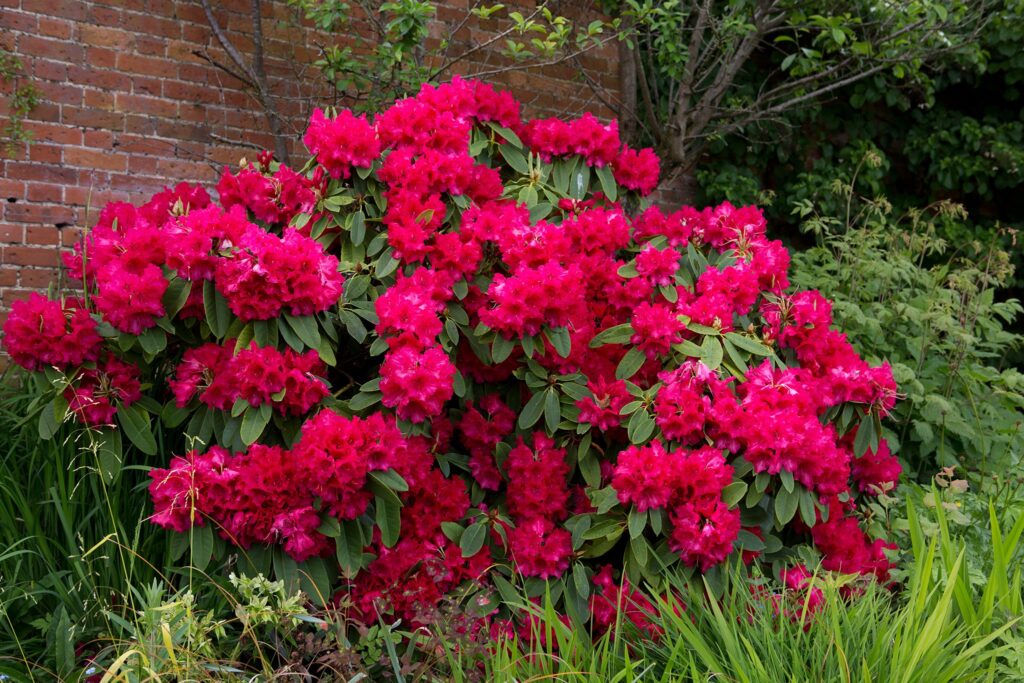
As the seasons change, our gardens transform into a kaleidoscope of colors, scents, and textures. Among the many plants that add vibrancy to our outdoor spaces, shrubs with beautiful flowers are a favorite among gardeners. In this article, we’ll explore some stunning flowering shrubs that thrive during the summer and spring seasons.
The Queen of Shrubs: Roses
Roses are, without a doubt, the ultimate flowering shrubs. From single-flowering varieties to repeat-blooming ones like ‘Yesterday,’ these gorgeous plants bring joy and beauty to our gardens. With over 150 species to choose from, there’s a rose to suit every taste and style.
- Rosa ‘Yesterday’: This rare variety is known for its frequent blooming, making it perfect for creating lush, full arrangements.
- Rose varieties for shaded areas: For those who prefer partial shade or cooler climates, consider shrubs like Rosa rugosa or Rosa banksiae.
- Disease resistance in roses: Many rose species are susceptible to diseases like black spot and powdery mildew. Consider using disease-resistant rose varieties like ‘Knock Out’ or ‘Drift’.
Summer-Flowering Shrubs
As the sun shines brighter in summer, our gardens burst into vibrant colors with these flowering shrubs:
- Lavandula: The secret to growing lavender lies in pruning it correctly. Cut back your stems by half in late summer to promote new growth and a healthy root system.
- Caryopteris: With its striking blue flowers, caryopteris is an excellent choice for adding a pop of color to your garden. Be sure to protect it from frost if you live in colder climates.
- Bubbleia: This shrub requires two annual pruning sessions: one in spring and another in late summer. Remove old stems and any damaged branches to keep your Bubbleia healthy and thriving.
Shrubs for Full Sun
If your garden receives full sun, consider the following flowering shrubs:
- Oleander (Nerium oleander): This heat-tolerant shrub is perfect for areas with direct sunlight. It’s also resistant to pests and diseases.
- Chaenomeles japonica: With its stunning red flowers, this shrub adds a touch of elegance to any garden.
- Lilac (Syringa): This fragrant shrub produces beautiful purple flowers in the summer and attracts pollinators.
Spring-Flowering Shrubs
As the snow melts away in spring, our gardens come alive with these beautiful flowering shrubs:
- Amamelidi: This shrub boasts fragrant flowers and can even attract bees and butterflies.
- Fotinia: With its compact growth habit, fotinia is perfect for creating hedges or borders. It’s also resistant to pruning damage.
Choosing the Right Location
When selecting a location for your flowering shrubs, consider factors like sunlight, soil quality, and accessibility:
- Sunlight: Most flowering shrubs prefer at least 6 hours of direct sunlight per day.
- Soil quality: Choose a location with well-draining soil to prevent root rot and other issues.
- Accessibility: Consider the ease of access for maintenance tasks like pruning and watering.
Tips and Reminders
To keep your flowering shrubs healthy and thriving:
- Prune them regularly to maintain shape and encourage new growth.
- Water them deeply but infrequently to prevent root rot.
- Mulch around their bases to retain moisture and suppress weeds.
- Fertilize them in the spring with a balanced fertilizer to promote blooming.
By following these tips and choosing the right flowering shrubs for your climate, you’ll be rewarded with a stunning display of color and life in your garden all season long.
Common Mistakes to Avoid
- Overwatering: This can lead to root rot and other issues.
- Underpruning: Prune your flowering shrubs regularly to maintain shape and promote new growth.
- Poor soil quality: Choose a location with well-draining soil to prevent root rot.
By being aware of these common mistakes, you’ll be able to avoid them and enjoy the beauty and benefits of your flowering shrubs all season long.
Maintenance Schedule
Here’s a general maintenance schedule for flowering shrubs:
- Spring: Prune and fertilize in early spring.
- Summer: Water regularly and mulch around the base of plants.
- Fall: Cut back stems to about 12 inches from the ground to prepare for winter.
By following this schedule, you’ll be able to keep your flowering shrubs healthy and thriving throughout the growing season.


