
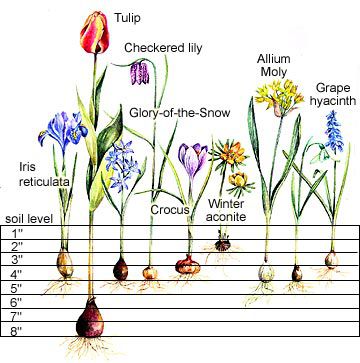
Introduction to Flower Bulbs
As the seasons change, it’s an excellent time to plant flower bulbs. With so many varieties available, choosing the right ones can be overwhelming. In this article, we’ll explore the different types of flower bulbs, their growth periods, and provide guidance on how to care for them.
What are Flower Bulbs?
Flower bulbs are a type of underground storage organ that allows plants to survive and thrive during periods of drought or extreme weather conditions. They’re essentially a reservoir of nutrients and water that the plant can draw upon when needed. The term “geophyte” refers specifically to plants with underground storage organs, which is what we’ll focus on in this article.
Types of Flower Bulbs
There are several types of flower bulbs, each with its unique characteristics and growth periods. Here are some of the most popular ones:
Spring-Blooming Bulbs
- Tulips
- Daffodils
- Hyacinths
These bulbs typically bloom in late spring to early summer.
Summer-Blooming Bulbs
- Dahlias
- Zinnias
- Marigolds
These bulbs often bloom from mid-summer to early fall.
Autumn-Blooming Bulbs
- Crocuses
- Pansies
- Violas
These bulbs usually bloom in late summer to early fall.
Winter-Blooming Bulbs
- Snowdrops
- Winter aconite
- Cyclamen
These bulbs typically bloom from late winter to early spring.
Choosing the Right Bulb for Your Climate
When selecting flower bulbs, it’s crucial to choose varieties that are suitable for your local climate and growing conditions. Some bulbs may require specific temperatures or light exposure to thrive.
Climate Zones
- USDA Hardiness Zone 3-5: This zone typically experiences cold winters and cool springs. Choose bulbs that can tolerate frost and freezing temperatures.
- USDA Hardiness Zone 6-8: This zone has mild winters and warm springs. Select bulbs that prefer partial shade and well-draining soil.
- USDA Hardiness Zone 9-11: These zones have hot summers and mild winters. Choose bulbs that thrive in full sun and dry conditions.
Soil Conditions
- Well-Draining Soil: Bulbs don’t like wet feet, so ensure the soil drains well to prevent root rot.
- Acidic Soil: Some bulbs, like tulips and daffodils, prefer slightly acidic soil (pH 6.0-7.0).
- Alkaline Soil: Other bulbs, such as hydrangeas and begonias, thrive in alkaline conditions (pH 7.0-8.0).
Preparing the Soil
Before planting flower bulbs, make sure the soil is well-draining and fertile. Add a layer of compost or fertilizer to promote healthy growth.
Soil pH Testing
- Use a soil pH test kit to determine your soil’s acidity level.
- Adjust the pH if necessary by adding lime for alkaline soils or sulfur for acidic soils.
Planting Flower Bulbs
When planting flower bulbs, follow these general guidelines:
- Plant the bulb with the pointed end facing upwards.
- Space the bulbs according to their mature size.
- Water thoroughly after planting.
Spring Planting
- Plant tulips and daffodils in fall for spring blooms.
- Hyacinths can be planted in fall, but they may require a bit more care during the winter months.
Summer Planting
- Dahlias and zinnias can be planted after the last frost date, when the soil has warmed up.
Common Mistakes to Avoid
Here are some common mistakes to avoid when growing flower bulbs:
- Planting bulbs too deeply or shallowly.
- Not providing enough sunlight or water.
- Allowing bulbs to sit in standing water.
By following these guidelines and choosing the right bulb for your climate, you’ll be on your way to enjoying a beautiful bouquet of flowers every season.
Frequently Asked Questions
Q: How often should I plant flower bulbs?
A: Plant new bulbs in the fall or early winter, depending on the variety’s growth period. Established bulbs can be divided and replanted every few years.
Q: Can I grow flower bulbs indoors?
A: Yes, many types of bulb flowers can thrive indoors. Make sure to provide sufficient light and water.
Q: How do I care for my flower bulbs after blooming?
A: After the blooms have faded, cut back the foliage to about an inch above the ground. This will help the bulb store energy for next year’s bloom.
Q: Can I plant multiple types of flowers together?
A: Yes, many types of flowers can be planted together. Just make sure to choose varieties with similar growing conditions and blooming periods.
Q: How long do flower bulbs typically last?
A: The lifespan of a flower bulb depends on the variety and growing conditions. Some bulbs may bloom for only one season, while others can continue to produce flowers year after year.
Tips for Success
- Plant in well-draining soil with adequate sunlight.
- Water regularly during the first few months after planting.
- Fertilize lightly in spring, following the manufacturer’s instructions.
- Deadhead spent blooms to encourage more flowering.
- Divide and replant established bulbs every 3-4 years.
Conclusion
Growing flower bulbs is a rewarding experience that can bring beauty and life to your garden every season. By choosing the right bulb for your climate and following proper care instructions, you’ll be able to enjoy stunning blooms from spring to fall. Happy planting!



