
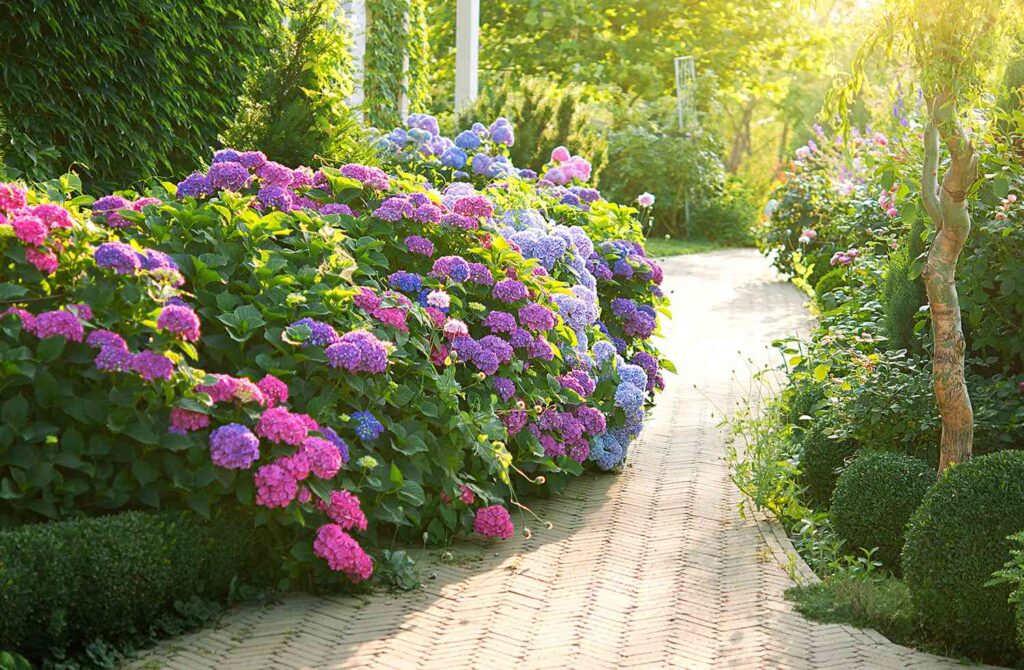
As we stroll through our gardens, it’s easy to overlook the often-neglected areas between paths and hedges. These spaces can be transformed into vibrant border edgings that add a pop of color and texture to our outdoor spaces. In this article, we’ll explore the art of creating beautiful border edgings using flowering plants, providing tips and inspiration for gardening enthusiasts.
What are Border Edgings?
Border edgings are essentially rows of flowering plants placed along paths, hedges, or fences to add visual appeal and create a cohesive look in our gardens. These planters can be made up of perennials, annuals, or shrubs that bloom at different times to provide year-round interest.
Choosing the Right Plants for Your Border Edgings
When selecting plants for your border edgings, consider factors such as climate, soil type, and sunlight exposure. For example, if you live in a hot, sunny area, choose plants that can thrive in these conditions.
To create a visually appealing border, aim for a mix of plant heights, textures, and bloom times. A combination of flowering perennials, like delphiniums and foxgloves, with groundcovers and shrubs will provide an attractive contrast throughout the growing season.
Border Edgings for Small Spaces
For small areas, such as patios or walkways, choose compact plants that won’t overwhelm the space. Consider using groundcovers, succulents, and creeping perennials like thyme, creeping Jenny, or vinca minor to create a lush, textured appearance.
Some popular options for small spaces include:
- Creeping Thyme: A low-growing, fragrant herb that can be used as a groundcover
- Sedum: A succulent plant with thick, fleshy leaves and stems that come in a variety of shapes and sizes
- Vinca minor (Periwinkle): An evergreen groundcover with blue-purple flowers in the spring
Border Edgings for Larger Gardens
In larger gardens, you can create more dramatic borders by incorporating taller plants, like delphiniums or sunflowers, to provide a striking backdrop. Mix these with shorter plants, such as violas or pansies, to add depth and visual interest.
Some popular options for larger spaces include:
- Delphiniums: Tall, stately flowers in shades of blue, pink, or white
- Sunflowers: Bright yellow flowers that can grow quite tall, adding a dramatic pop of color to your border
- Violas: Small, delicate flowers with a range of colors and patterns
Perennials for Border Edgings
Many perennials make excellent choices for border edgings due to their long blooming periods and attractive foliage. Some popular options include:
- Daylilies: Hardy perennials with vibrant, trumpet-shaped flowers in a range of colors
- Hostas: Shade-loving plants with large, leafy foliage that can add depth and texture to your border
- Hydrangeas: Bigleaf hydrangeas produce large, round clusters of blue or pink flowers in the summer
Annuals for Border Edgings
While perennials provide year-round interest, annuals can add a burst of color and vibrancy to your borders. Consider using:
- Petunias: Flowering annuals that come in a variety of colors and patterns
- Begonias: Attractive foliage plants with delicate white or pink flowers
- Marigolds: Bright yellow or orange flowers that are easy to care for and can add a pop of color to your border
Designing Your Border Edgings
To create a cohesive look, consider the following design tips when planning your border edging:
- Balance tall and short plants to maintain visual interest
- Mix different textures and colors to add depth and dimension
- Use a focal point, like a statement plant or a decorative trellis, to draw attention
Some popular design elements for borders include:
- Focal points: Statement plants or decorative features that draw the eye to a particular area of the border
- Texture contrast: Mixing different textures, such as smooth leaves and fuzzy stems, can add depth and interest to your border
- Color harmony: Choosing colors that work well together can create a cohesive look and add visual appeal to your border
Tips for Planting and Maintaining Your Border Edgings
To keep your border edgings thriving, follow these tips:
- Water regularly: Make sure the soil is consistently moist, but not waterlogged
- Fertilize as needed: Feed your plants with a balanced fertilizer in the spring and summer to promote healthy growth
- Prune dead or damaged plant material: Remove any dead or damaged leaves or stems to prevent disease and promote healthy growth
Common Mistakes to Avoid
When creating beautiful border edgings, there are several common mistakes to avoid. Some of these include:
- Overcrowding the border: Make sure to leave enough space between plants for proper air circulation and growth
- Not considering climate and sunlight exposure: Choose plants that can thrive in your local climate and sunlight conditions
- Not maintaining the border regularly: Regular watering, fertilizing, and pruning are essential for keeping your border edgings healthy and thriving
Conclusion
Border edgings can be a simple yet effective way to enhance our gardens. By choosing the right plants for your climate and design style, you can create a beautiful, cohesive look that adds visual appeal to your outdoor space.
Remember to consider factors such as plant height, texture, and bloom time when selecting plants for your border edgings. Balance tall and short plants, mix different textures and colors, and use a focal point to draw attention. With the right design elements and maintenance techniques, you can create beautiful, thriving borders that add joy and beauty to your garden.
Frequently Asked Questions:
- What is the best time to plant border edgings?
The best time to plant border edgings depends on your location and climate. In general, spring and fall are considered ideal times for planting. - Can I use flowering plants in my border edgings year-round?
While some perennials bloom throughout the growing season, others may go dormant or die back during winter months. Consider using a mix of plants with different blooming periods to provide year-round interest. - How do I care for my border edgings?
To keep your border edgings thriving, water regularly, fertilize as needed, and prune dead or damaged plant material. - Can I use succulents in my border edgings?
Yes! Succulents are perfect for small spaces and can add a unique texture and visual interest to your borders. - How often should I divide and replant perennials in my border edgings?
Divide and replant perennials every 3-4 years to maintain their health and vigor. - Can I use annuals as a groundcover?
While some annuals can be used as a groundcover, they may not provide long-term interest or durability. Consider using perennials for this purpose instead. - How do I create a cohesive look with my border edgings?
To create a cohesive look, balance tall and short plants, mix different textures and colors, and use a focal point to draw attention. - Can I use mulch in my border edgings?
Yes! Mulch can help retain moisture, suppress weeds, and add color to your borders. Use organic mulches like bark chips or straw for the best results.
Border Edging Ideas and Inspiration
For inspiration, consider the following ideas:
- Create a themed border: Use plants with similar colors or textures to create a cohesive look.
- Incorporate native plants: Using native plants can add interest and authenticity to your garden.
- Add decorative elements: Consider adding decorative features like trellises, arbors, or birdhouses to enhance your border edging.
Some popular border edging styles include:
- Cottage-style borders: Use soft colors and romantic textures to create a charming, rustic look
- Formal borders: Incorporate sleek lines and sharp edges to create a sophisticated, elegant look
- Wildflower borders: Use native wildflowers to create a natural, effortless look
By following these tips and ideas, you can create beautiful border edgings that add visual appeal and joy to your garden.


