
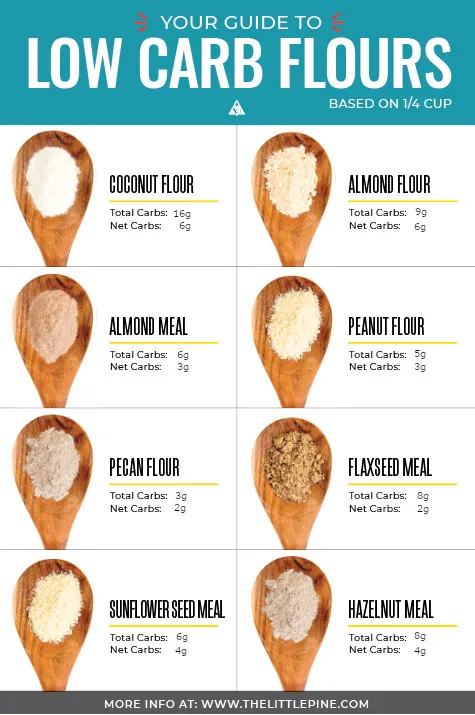
Are you looking for healthier alternatives to traditional flours? Look no further! In recent years, low-carb flours have become increasingly popular due to their high fiber and protein content. But what exactly are low-carb flours, and how can they be used in your baking?
Understanding Low-Carb Flours
Low-carb flours are made from ingredients that contain a lower amount of carbohydrates compared to traditional wheat flour. These flours are often high in fiber, protein, and healthy fats, making them an attractive option for those following a low-carb diet or looking to reduce their carbohydrate intake.
Types of Low-Carb Flours
There are many types of low-carb flours available, including:
- Chickpea flour: Made from chickpeas, this flour is high in protein and fiber.
- Almond flour: Made from almonds, this flour is rich in healthy fats and protein.
- Coconut flour: Made from coconut, this flour is low in carbohydrates and high in fiber.
- Flaxseed flour: Made from flaxseeds, this flour is high in omega-3 fatty acids and fiber.
Using Low-Carb Flours in Baking
While it’s true that some low-carb flours can be used as direct substitutes for traditional wheat flour, others require a bit of creative experimentation. For example:
- Soya flour: Can be used to make bread and pasta, but requires rapid rising times.
- Carrubbean flour: Can be used in baked goods, but may require additional ingredients to enhance flavor.
Benefits of Low-Carb Flours
The benefits of using low-carb flours include:
- Reduced carbohydrate intake
- Increased fiber and protein content
- Improved nutrient balance
- Enhanced texture and flavor
Choosing the Right Low-Carb Flour
With so many options available, it can be overwhelming to choose the right low-carb flour for your needs. Consider the following factors:
- Carbohydrate content: Choose a flour with a low carbohydrate content if you’re tracking carbs.
- Protein content: Choose a flour with high protein content if you’re looking to boost protein intake.
- Flavor profile: Choose a flour that complements your favorite recipes and flavor profiles.
Frequently Asked Questions
Here are some frequently asked questions about low-carb flours:
- Can I use low-carb flours as direct substitutes for traditional wheat flour?
- How do I choose the right low-carb flour for my needs?
- What are the benefits of using low-carb flours in baking?
Understanding Low-Carb Flour Substitutions
Low-carb flours can be used to substitute traditional wheat flour in baked goods, but it’s essential to understand that not all low-carb flours are created equal. Some may require additional ingredients or creative experimentation to achieve the desired results.
How to Use Low-Carb Flours in Different Recipes
Here are some ways you can use low-carb flours in different recipes:
- Bread: Use a combination of almond flour and coconut flour to create a delicious gluten-free bread.
- Pasta: Use a combination of soya flour and carrot flour to create a tasty and nutritious pasta alternative.
- Cakes and muffins: Use almond flour or flaxseed flour as a direct substitute for traditional wheat flour in baked goods.
Tips and Tricks
Here are some tips and tricks for using low-carb flours effectively:
- Experiment with different ratios of flours: Find the perfect ratio of flours to achieve the desired texture and flavor.
- Add additional ingredients: Use eggs, cream cheese, or butter to enhance flavor and moisture in baked goods made with low-carb flours.
- Adjust cooking times and temperatures: Keep an eye on your baked goods while they’re cooking, as low-carb flours can affect cooking time and temperature.
Conclusion
Low-carb flours offer a healthier alternative to traditional flours, providing increased fiber and protein content while reducing carbohydrate intake. By choosing the right flour for your needs, you can enhance texture, flavor, and nutrient balance in your baked goods. Experiment with different types of low-carb flours to find what works best for you.
FAQs
- Q: Can I use low-carb flours as direct substitutes for traditional wheat flour?
A: No, some low-carb flours require additional ingredients or creative experimentation. - Q: How do I choose the right low-carb flour for my needs?
A: Consider carbohydrate content, protein content, and flavor profile when choosing a low-carb flour. - Q: What are the benefits of using low-carb flours in baking?
A: Reduced carbohydrate intake, increased fiber and protein content, improved nutrient balance, and enhanced texture and flavor. - Q: Can I use low-carb flours to make pasta and bread?
A: Yes, but may require additional ingredients or creative experimentation. - Q: What are some popular types of low-carb flours?
A: Chickpea flour, almond flour, coconut flour, and flaxseed flour are popular options. - Q: How do I store low-carb flours to maintain freshness?
A: Store in a cool, dry place or freeze to maintain freshness.
By answering these frequently asked questions, you can gain a better understanding of how to incorporate low-carb flours into your baking routine and make informed decisions about your dietary choices.


