
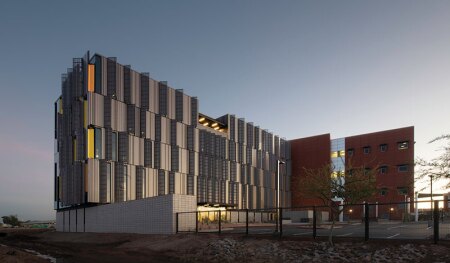
As we strive to reduce our carbon footprint and create more sustainable living spaces, the concept of zero-impact buildings has gained significant attention. In Florence, Italy, a pioneering project is underway to bring this vision to life. In this article, we will delve into the world of zero-impact housing in Florence, exploring its history, design, and benefits.
A New Era for Sustainable Housing
In 2014, Florence began to take shape as a hub for sustainable housing, with the first zero-impact building set to rise from the streets. This innovative project is part of the city’s broader plan to develop eco-friendly buildings that minimize environmental impact. The goal is to create living spaces that not only reduce energy consumption but also promote air quality and overall well-being.
The First Zero-Impact Building
Located in Piazza Artusi, the first zero-impact building will feature six storeys and 39 apartments. This structure will be clad in natural materials, such as wood coibentato and cellulose fibre, to ensure efficient insulation and airtightness. The building’s design incorporates features like loggias and solar panels to harness natural light and heat.
The Benefits of Zero-Impact Building
So, what makes zero-impact buildings so special? By using eco-friendly materials and designing spaces that promote natural ventilation and insulation, these structures can significantly reduce energy consumption. In fact, the proposed building in Florence will have a carbon footprint of just 12.04 kWh/mq per year, making it an exemplary model for sustainable living.
Key Features of Zero-Impact Buildings
To achieve zero-impact status, buildings must meet specific design criteria. Some key features include:
- Natural insulation: Using materials like wood coibentato and cellulose fibre to ensure efficient insulation and airtightness.
- Solar panels: Harnessing natural light and heat through the use of solar panels.
- Loggias and courtyards: Designing spaces that promote natural ventilation and provide shade during hot summer months.
- Green roofs: Incorporating vegetation into building design to reduce urban heat island effect.
- Rainwater harvesting: Collecting and reusing rainwater for irrigation and other non-potable purposes.
The Future of Sustainable Housing
As the world continues to grapple with climate change, sustainable housing solutions like zero-impact buildings will play an increasingly important role. By embracing eco-friendly design principles and materials, we can create living spaces that not only reduce our environmental footprint but also promote health, well-being, and quality of life.
Benefits for Residents
Zero-impact buildings offer numerous benefits to residents, including:
- Reduced energy bills: Thanks to the building’s efficient insulation and natural ventilation systems, residents will enjoy lower energy costs.
- Improved air quality: The use of eco-friendly materials and design features like loggias and courtyards help maintain high air quality levels within the building.
- Increased comfort: With natural light and heat provided through solar panels and green roofs, residents can enjoy a more comfortable living space.
Benefits for the Environment
Zero-impact buildings also have a significant impact on the environment, with benefits including:
- Reduced carbon footprint: The building’s energy-efficient design reduces its carbon footprint by minimizing energy consumption.
- Preservation of natural resources: By using eco-friendly materials and reducing water consumption through rainwater harvesting, we can preserve natural resources for future generations.
- Enhanced biodiversity: Green roofs and loggias provide habitats for local wildlife, enhancing biodiversity in urban areas.
Challenges and Opportunities
While zero-impact buildings offer many benefits, there are also challenges to be addressed. These include:
- Higher upfront costs: While the long-term savings from reduced energy consumption can offset these costs, they may still pose a financial burden for some residents.
- Limited availability of materials: The use of eco-friendly materials like wood coibentato and cellulose fibre may be limited in certain regions, making it challenging to achieve zero-impact status.
- Regulatory frameworks: Existing building codes and regulations may need to be adapted or updated to accommodate the unique design features of zero-impact buildings.
Frequently Asked Questions
- What is the primary benefit of zero-impact buildings?
- Reduced energy consumption and carbon footprint.
- How do loggias and courtyards contribute to sustainable building design?
- They promote natural ventilation and provide shade during hot summer months.
- Can solar panels be used in conjunction with other renewable energy sources?
- Yes, solar panels can be combined with wind turbines or hydroelectric power to create a hybrid renewable energy system.
- What role do green roofs play in sustainable building design?
- They help reduce urban heat island effect and provide insulation.
- How can rainwater harvesting contribute to sustainable living?
- It reduces the need for potable water and helps maintain water quality.


