
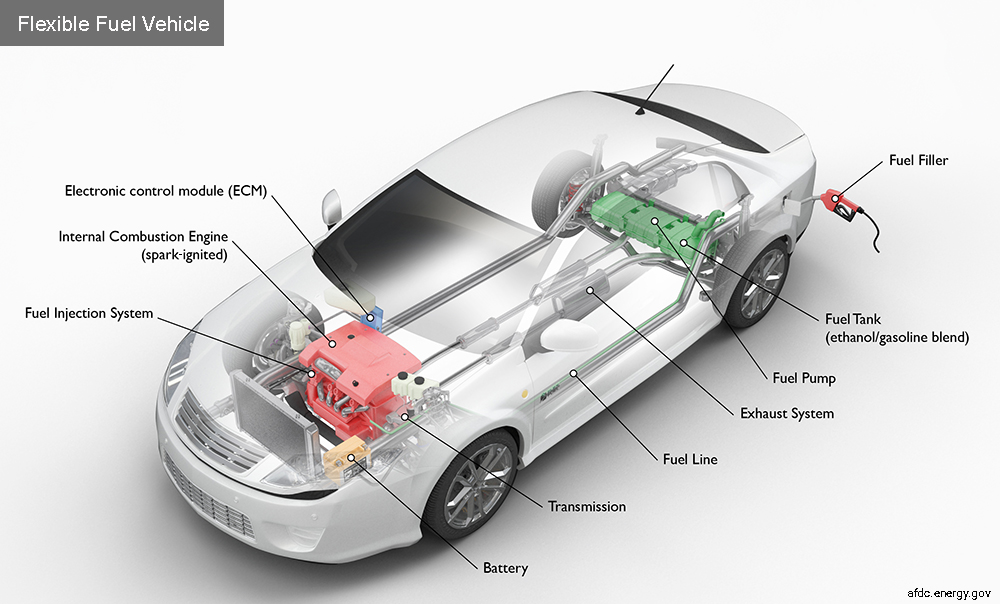
As the world shifts towards more sustainable energy sources, the automotive industry is also undergoing a significant transformation. One key area of focus is the development of flex fuel engines and tetrafuel vehicles, which can run on multiple types of fuels, including bioethanol, biodiesel, and even alternative gases like GPL or methane.
What are Flex Fuel Engines?
Flex fuel engines are designed to operate on a variety of fuel blends, including alcohols, gasoline, and combinations thereof (e.g., E10, E85). These engines use advanced technology to optimize fuel injection and ignition timing based on the type and amount of fuel present in the tank. This allows for improved combustion efficiency and reduced emissions.
History of Flex Fuel Engines
The concept of flex fuel engines has been around for several decades, with the first generation of such vehicles introduced in the 1990s. However, it wasn’t until the early 2000s that flex fuel engines gained significant traction, particularly in Europe and North America. Today, these engines are being used by major manufacturers like Ford, General Motors, and Volkswagen.
Benefits of Flex Fuel Engines
Flex fuel engines offer several benefits, including:
- Improved combustion efficiency: By optimizing fuel injection and ignition timing, flex fuel engines can achieve better combustion efficiency, leading to improved fuel economy and reduced emissions.
- Reduced emissions: Flex fuel engines are designed to minimize emissions, making them an attractive option for environmentally conscious drivers.
- Increased flexibility: Flex fuel engines can run on a variety of fuel blends, giving drivers greater freedom to choose from different fuels.
Saab’s BioPower Initiative
In 2005, Saab introduced its first biofuel-powered vehicles, which featured the company’s innovative Flex Fuel engine. The BioPowert engines were a huge success, selling over 11,500 units in the Swedish market by 2006. The majority of these sales came from the Saab 9-5 model, with the 2.0T propulsor representing an impressive 80% of total sales.
The Magneti Marelli Advantage
Magneti Marelli, a leading industrial group, has developed advanced Flex Fuel engines that utilize centralina intelligente (intelligent engine management). This technology enables the engine to identify the specific fuel blend in the tank and optimize fuel injection and ignition timing accordingly. By working closely with sensor inputs from the system control module and a specialized sonda, the intelligent centralina can create an ideal environment for combustion.
The Science Behind Flex Fuel Engine Optimization
In a matter of milliseconds, the intelligent centralina collects data from various sources, including Lambda sensors and other control modules. Using this information, it calculates the precise ratio of air-fuel mixture to be injected into the engine and determines the optimal ignition timing for each cylinder. This optimized combustion process leads to improved fuel efficiency, reduced emissions, and enhanced overall performance.
Introducing Tetrafuel Vehicles: The Next Generation of Flex Fuel
In 2006, Fiat launched its innovative Tetrafuel concept in Brazil, showcasing a vehicle capable of running on four different types of fuels: alcohols, gasoline, GPL (liquefied petroleum gas), and methane. This groundbreaking technology enables seamless fuel switching without any compromise on performance or emissions.
The Siena Tetrafuel: A Visionary Vehicle
Fiat’s Siena Tetrafuel is a prime example of the potential offered by tetrafuel vehicles. With its Flex Fuel engine, this vehicle can be fueled with alcohols and gasoline, as well as GPL or methane. The Siena Tetrafuel represents a pioneering achievement in automotive technology, offering drivers greater flexibility and freedom.
Conclusion
As we move towards a more sustainable future, the development of flex fuel engines and tetrafuel vehicles is essential for reducing our carbon footprint. With their advanced technologies and innovative designs, these vehicles offer a promising solution for the challenges facing our planet. As we continue to explore new frontiers in automotive innovation, one thing is clear: the future of fuels has never been brighter.
Frequently Asked Questions
Q: What are the benefits of flex fuel engines?
A: Flex fuel engines can improve combustion efficiency, reduce emissions, and enhance overall performance, while also providing greater flexibility for drivers to choose from various fuel blends.
Q: How do tetrafuel vehicles work?
A: Tetrafuel vehicles use advanced technology to optimize fuel injection and ignition timing based on the type and amount of fuel present in the tank, allowing for seamless switching between different fuels without compromise on performance or emissions.
Q: What are some examples of flex fuel engines available in the market?
A: Saab’s BioPowert engine, Magneti Marelli’s Flex Fuel engine, and Fiat’s Tetrafuel engine are just a few examples of the innovative technologies being developed for flex fuel engines.
Q: Can I use tetrafuel vehicles on any type of fuel?
A: While tetrafuel vehicles can run on multiple types of fuels, it’s essential to follow the manufacturer’s guidelines and ensure that the vehicle is properly configured for each fuel blend.
Q: How do I maintain my tetrafuel vehicle?
A: Regular maintenance, including filter changes and software updates, is crucial for ensuring optimal performance and efficiency in tetrafuel vehicles.
Q: Can I refuel my flex fuel engine with any type of alcohol or gasoline?
A: No, it’s essential to use the recommended fuel blends and types approved by the manufacturer to avoid damage to the engine or affect its performance.
Q: Are flex fuel engines more expensive than traditional engines?
A: The cost of flex fuel engines can vary depending on the manufacturer, model, and technology used. However, many experts believe that these innovative technologies will become increasingly competitive in terms of price as they mature.
Q: Can I drive my tetrafuel vehicle in areas with limited or no access to specific fuels?
A: While tetrafuel vehicles offer flexibility, it’s crucial to follow local regulations and ensure that the vehicle is properly configured for each fuel blend before driving.


