
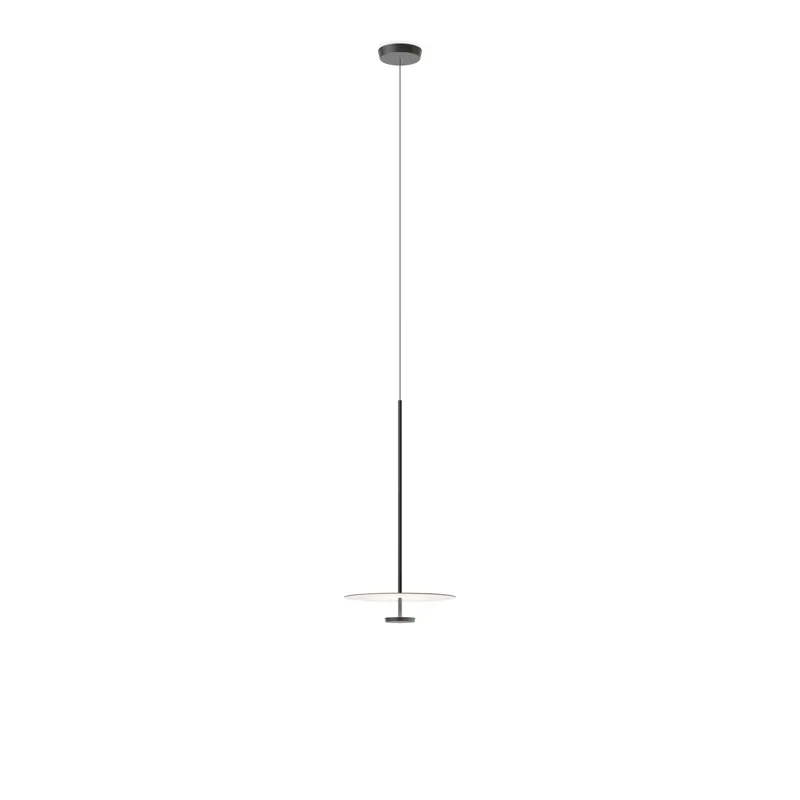
The Future of Lighting: How Flat LED Bulbs Are Revolutionizing the Industry
As we continue to strive for energy efficiency and reduce our carbon footprint, the lighting industry is undergoing a significant transformation. One innovation that’s gaining attention is the flat LED bulb, also known as the “SlimStyle” lamp. In this article, we’ll explore the benefits of these bulbs, their history, and why they’re poised to disrupt the traditional lighting market.
What are Flat LED Bulbs?
Flat LED bulbs have a unique, flat design that differs from the classic round shape of traditional incandescent bulbs. This design allows for improved heat dissipation, reducing the risk of overheating and increasing energy efficiency. With their sleek, modern look, these bulbs are not only eco-friendly but also stylish.
A Brief History of LED Bulbs
In recent years, LED bulbs have become increasingly popular due to their energy efficiency and longer lifespan. However, traditional incandescent bulbs remained the dominant choice in the market. That is, until Philips introduced the SlimStyle lamp, which marked a significant breakthrough in lighting technology. By brevetting a unique design that allows for improved heat dissipation, Philips created a bulb that’s both affordable and energy-efficient.
The Benefits of Flat LED Bulbs
So, what makes flat LED bulbs so special? Here are just a few benefits:
- Energy Efficiency: These bulbs consume significantly less energy than traditional incandescent bulbs. In fact, they use up to 80% less power while producing the same amount of light.
- Longer Lifespan: Flat LED bulbs have an average lifespan of around 25,000 hours, compared to 1,000-2,000 hours for traditional bulbs.
- Improved Safety: The flat design reduces the risk of overheating and fires, making these bulbs a safer choice for homes and businesses.
Why are Flat LED Bulbs So Cheap?
One of the most significant advantages of flat LED bulbs is their affordability. Initially priced around $6.50, these bulbs can now be purchased for as low as $1.50 thanks to Philips’ Energy Star certification. This makes them an attractive option for consumers looking to save money on lighting costs.
The Impact of Flat LED Bulbs on the Environment
By reducing energy consumption and extending the lifespan of traditional bulbs, flat LED bulbs have a significant impact on the environment. According to the U.S. Department of Energy, LED bulbs can help reduce greenhouse gas emissions by up to 80%. Additionally, they contain no toxic materials like mercury or lead, making them a safer choice for consumers.
What’s Next for Flat LED Bulbs?
As these bulbs become more widely available, we can expect to see significant changes in the lighting industry. Other manufacturers are already working on their own designs, which could further reduce costs and improve efficiency. With their energy-efficient design and eco-friendly materials, flat LED bulbs are poised to revolutionize the way we think about lighting.
Advantages of Flat LED Bulbs
Flat LED bulbs have several advantages over traditional incandescent bulbs. Here are a few:
- Energy Efficiency: As mentioned earlier, these bulbs consume significantly less energy than traditional incandescent bulbs.
- Longer Lifespan: With an average lifespan of around 25,000 hours, flat LED bulbs can last much longer than traditional bulbs.
- Improved Safety: The flat design reduces the risk of overheating and fires, making these bulbs a safer choice for homes and businesses.
Challenges and Limitations of Flat LED Bulbs
While flat LED bulbs have several advantages, there are also some challenges and limitations to consider. Here are a few:
- Higher Upfront Cost: While flat LED bulbs can be more energy-efficient and last longer than traditional incandescent bulbs, they can also be more expensive upfront.
- Dimming Issues: Some dimmer switches may not work well with flat LED bulbs, which can limit their use in certain applications.
- Specialized Mounting Hardware: Flat LED bulbs may require specialized mounting hardware to ensure proper installation and safety.
Conclusion
Flat LED bulbs represent a significant breakthrough in lighting technology. By combining improved heat dissipation with affordability and style, these bulbs have the potential to disrupt traditional lighting markets. As consumers become more aware of their environmental impact, we can expect to see increased demand for energy-efficient lighting solutions like flat LED bulbs.
As the market continues to evolve, it will be interesting to see how flat LED bulbs shape up and what innovations are developed in the future.


