
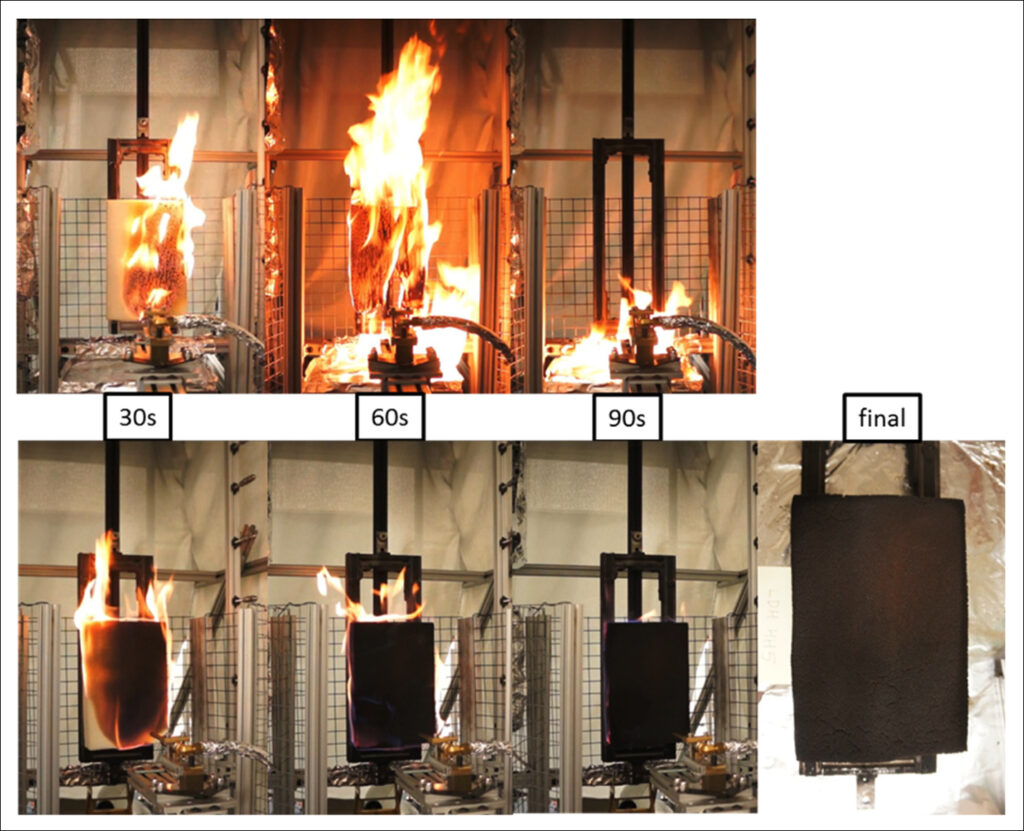
As we navigate the world of plastics, it’s common to come across materials with a special property – they are flame retardants. But what exactly are these substances, and how do they work? In this article, we’ll delve into the world of flame retardants, exploring their types, uses, and benefits.
What are Flame Retardants?
Flame retardants are substances that intervene during the combustion process, interrupting it. They do so in various ways, primarily through 5 recognized mechanisms: heat development, gas phase, char, intumescence, and dripping. But what triggers these reactions?
The Combustion Process
Combustion is a complex process involving chemical reactions that produce heat, light, and gases. It begins with the ignition of a combustible material (fuel), which reacts with oxygen to produce carbon dioxide and water vapor. As the reaction progresses, it spreads and intensifies, leading to a full-blown fire.
How Flame Retardants Work
Flame retardants can enter the combustion process at various stages. They can slow down or stop the spread of flames by interrupting the chemical reactions that fuel them. For example, some flame retardants might form a char layer on the surface of the material, preventing oxygen from reaching it.
Types of Flame Retardants
There are several categories of flame retardants, each with its own mechanism of action:
- Alogenates: These flame retardants operate through the gas phase mechanism. They work by creating a barrier that prevents oxygen from reaching the fuel, thereby reducing the intensity of the fire.
- Hydrides: Hydride-based flame retardants act by slowing down the heat development process, making it more difficult for fires to spread.
- Phosphorus Compounds: These flame retardants use the char mechanism to slow down combustion. They form a carbon-rich layer that prevents oxygen from reaching the fuel.
Choosing the Right Flame Retardant
When selecting a flame retardant, several factors come into play:
- Cost: The price of the material can significantly impact its feasibility.
- Environmental Impact: Some flame retardants have been shown to be toxic or hazardous to the environment.
- Compatibility: The material must be compatible with the type of plastic it’s intended to protect.
Flame Retardant Applications
Flame retardants are used in a wide range of applications, including:
- Plastics Manufacturing: Flame retardants are added to plastics to reduce their flammability.
- Building Materials: Flame retardants can be incorporated into building materials like foams and insulation to minimize fire risk.
Novel Developments in Flame Retardant Technology
The development of new flame retardant technologies is an ongoing process. Manufacturers are working to create more environmentally friendly, biodegradable, and cost-effective options that meet the needs of industries such as aerospace and healthcare.
Some examples of novel developments include:
- Flame Retardant-Free Materials: Researchers have been working on developing materials that do not require flame retardants.
- Green Flame Retardants: New flame retardants are being developed using natural and sustainable sources, reducing the environmental impact of traditional flame retardants.
Real-World Examples of Flame Retardants
Flame retardants can be seen in various real-world applications, including:
- Fireproof Clothing: Flame retardant fabrics are used in clothing to protect against fire.
- Fire-Safe Furniture: Some furniture is treated with flame retardants to reduce the risk of fires.
Frequently Asked Questions (FAQs)
- What is the primary purpose of adding flame retardants to plastics?
- Flame retardants are added to plastics to reduce their flammability.
- Which type of flame retardant operates through the gas phase mechanism?
- Alogenates operate through the gas phase mechanism.
- Can all flame retardants be considered environmentally friendly?
- No, some flame retardants have been shown to be toxic or hazardous to the environment.
Conclusion
In conclusion, understanding flame retardants and their uses can help us navigate the complex world of fire safety. By recognizing the different types of flame retardants and their applications, we can make informed decisions about how to protect people and materials from fire hazards.
Flame retardants play a crucial role in reducing the risk of fires, but they also have environmental implications. As manufacturers continue to develop new technologies, it’s essential to consider the impact on the environment.
References
- “Flame Retardant Chemicals” (2020). Environmental Protection Agency.
- “Fire-Safe Materials and Products” (2019). International Association of Fire Fighters.
- “Emerging Flame Retardants: A Review of Their Safety and Efficacy” (2022). Journal of Toxicology.
Further Reading
For more information on flame retardants, you can also check out the following resources:
- The National Institute for Occupational Safety and Health (NIOSH) provides guidance on the safe handling of flame retardants.
- The American Society for Testing and Materials (ASTM) develops standards for testing the flammability of materials with added flame retardants.
By staying informed about the latest developments in flame retardant technology, you can make better decisions about how to protect yourself and others from fire hazards.


