
Introduction
In recent years, there has been an increasing focus on the need for sustainable development and environmental protection. One way to achieve this is through fiscal policy, which involves the use of taxes to influence behavior and promote environmentally friendly practices. In this article, we will explore the concept of fiscal policy and environmental taxation in the context of Italy’s recent delega fiscale (fiscal delegation) law.
What is Fiscal Policy?
Fiscal policy refers to the use of government spending and taxation to manage the economy and promote economic growth. It involves setting taxes and public expenditure levels to achieve specific economic objectives, such as reducing inequality or promoting sustainable development. In the context of environmental protection, fiscal policy can be used to encourage environmentally friendly behaviors and discourage harmful activities.
Fiscal policy is a powerful tool for policymakers, allowing them to respond quickly to changing economic conditions and promote policies that benefit society as a whole. By adjusting taxes and public spending, governments can influence consumer behavior, investment decisions, and overall economic activity. In the context of environmental protection, fiscal policy can be used to encourage behaviors such as reducing energy consumption, increasing recycling, and promoting sustainable transportation.
The Delega Fiscale 2014
In 2014, Italy’s Parliament passed a law known as the delega fiscale (fiscal delegation) law, which authorized the government to introduce new forms of environmental taxation. This law aimed to contribute to the diffusion and innovation of low-carbon technologies and to finance sustainable production and consumption models.
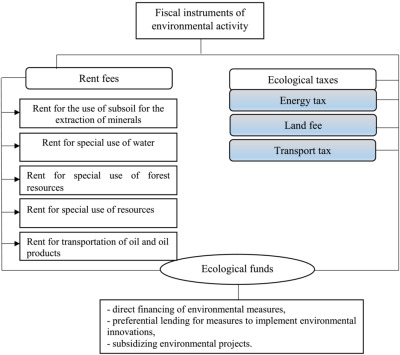
The delega fiscale law provided for the introduction of taxes on various activities, such as energy consumption, waste management, and transportation emissions. These taxes were designed to discourage environmentally harmful behaviors and encourage more sustainable practices.
Environmental Taxation: A Key Component of Fiscal Policy
Environmental taxation refers to the use of taxes to encourage environmentally friendly behaviors and discourage harmful activities. In Italy, environmental taxation is a key component of fiscal policy, with the goal of reducing greenhouse gas emissions and promoting sustainable development.
Environmental taxation can take many forms, including carbon taxes, waste disposal fees, and pollution charges. These taxes are designed to internalize the external costs of environmental degradation and encourage businesses and individuals to adopt more sustainable practices.
Reducing Emissions through Environmental Taxation
One way to reduce emissions is by imposing taxes on polluting activities, such as carbon emissions from fossil fuels. This approach has been shown to be effective in other countries, where it has led to significant reductions in emissions.
In Italy, the government has introduced a number of measures aimed at reducing emissions, including a tax on carbon dioxide emissions. This tax is designed to discourage the use of fossil fuels and encourage businesses and individuals to adopt more sustainable practices.
The Role of Fiscal Policy in Promoting Sustainable Development
Fiscal policy plays an important role in promoting sustainable development by providing incentives for environmentally friendly behaviors and discouraging harmful activities. By using taxes to influence behavior, fiscal policy can help to achieve environmental objectives, such as reducing greenhouse gas emissions and promoting sustainable consumption patterns.
Fiscal policy can also be used to promote sustainable development by providing support for low-carbon technologies and renewable energy sources. For example, governments can offer tax incentives or grants to businesses and individuals who invest in these technologies.
European Perspective: A Study on the Impact of Fiscal Policy
A recent study published by the European Commission found that measures of environmental taxation adopted at the EU level have had a positive impact on improving the effectiveness of environmental policies and alleviating the pressure on labor and businesses. This study provides valuable insights into the potential benefits of fiscal policy in promoting sustainable development.
The study highlights the importance of setting clear goals and targets for reducing emissions, as well as providing incentives for environmentally friendly behaviors. It also emphasizes the need for governments to engage with stakeholders and civil society organizations to ensure that policies are effective and equitable.
National Perspective: Italy’s Path Forward
In terms of national policy, Italy has made significant progress in introducing measures aimed at reducing emissions. The government has introduced a number of initiatives aimed at promoting sustainable development, including incentives for renewable energy and green transportation.
One of the key challenges facing Italian policymakers is balancing the need to reduce emissions with the need to promote economic growth. This requires careful consideration of the potential impacts on businesses and individuals, as well as the broader economy.
Conclusion
Fiscal policy and environmental taxation are critical components of sustainable development, with the potential to promote environmentally friendly behaviors and discourage harmful activities. Italy’s recent delega fiscale law provides a strong foundation for achieving these goals, while the European study on the impact of fiscal policy offers valuable insights into the effectiveness of such measures.
As policymakers continue to grapple with the challenges of climate change, it is clear that fiscal policy will play an increasingly important role in promoting sustainable development. By using taxes and public spending to influence behavior and promote environmentally friendly practices, governments can help to reduce emissions and create a more sustainable future for all.
FAQs
- What is fiscal policy?
Fiscal policy refers to the use of government spending and taxation to manage the economy and promote economic growth. - What is environmental taxation?
Environmental taxation refers to the use of taxes to encourage environmentally friendly behaviors and discourage harmful activities. - How does Italy’s delega fiscale law relate to environmental taxation?
The delega fiscale law in Italy authorizes the government to introduce new forms of environmental taxation, with the goal of contributing to sustainable development. - What are the benefits of fiscal policy in promoting sustainable development?
Fiscal policy can promote environmentally friendly behaviors and discourage harmful activities, while also providing incentives for sustainable consumption patterns. - How does the European study on the impact of fiscal policy relate to Italy’s policy?
The European study provides valuable insights into the effectiveness of environmental taxation measures adopted at the EU level, which can inform Italy’s national policy. - What are some examples of fiscal policies aimed at reducing emissions in Italy?
Examples include taxes on carbon dioxide emissions and incentives for renewable energy and green transportation. - How does fiscal policy relate to sustainable development?
Fiscal policy is critical to promoting sustainable development by providing incentives for environmentally friendly behaviors and discouraging harmful activities. - What are the next steps for Italy in implementing environmental taxation policies?
The Italian government should continue to build on its progress in introducing measures aimed at reducing emissions, while also exploring new opportunities for promoting sustainable development through fiscal policy.
Recommendations
- Increase transparency and accountability: Governments should ensure that their fiscal policies are transparent and accountable, with clear goals and targets for reducing emissions.
- Engage with stakeholders: Policymakers should engage with stakeholders and civil society organizations to ensure that policies are effective and equitable.
- Invest in low-carbon technologies: Governments should provide incentives for businesses and individuals to invest in low-carbon technologies and renewable energy sources.
- Promote sustainable consumption patterns: Fiscal policy can be used to promote sustainable consumption patterns, such as reducing energy consumption and waste management.
- Monitor progress: Governments should regularly monitor their progress towards achieving environmental objectives, with clear indicators and targets for measuring success.
By following these recommendations, governments can ensure that their fiscal policies are effective in promoting sustainable development and reducing emissions.


