
As someone who values their physical health, having a device that can monitor your oxygen levels is crucial. This article will delve into the world of fingertip pulse oximeters, exploring what they are, how they work, and why they’re essential for maintaining optimal health.
History of Fingertip Pulse Oximeters
Fingertip pulse oximeters have been around since the 1980s when they were first used to monitor oxygen saturation levels in patients with chronic respiratory diseases. Over the years, these devices have evolved significantly, becoming more accurate and user-friendly. Today, fingertip pulse oximeters are no longer just for medical professionals but can be found in various settings, including sports medicine clinics, fitness centers, and even at home.
How Fingertip Pulse Oximeters Work
Fingertip pulse oximeters are small, portable devices that use light to measure oxygen saturation levels in your blood. They’re similar to wristwatches but focus on the oxygen levels rather than just heart rate. These devices have two diodes that emit red and infrared light through a tiny window on the tip of your finger. A photodiode then captures this light, allowing you to see how well your body is taking in oxygen.
The process works as follows:
- The device emits red and infrared light through a small opening.
- As the blood flows under the skin, it absorbs some of the light.
- The amount of light absorbed depends on the amount of hemoglobin present in the blood.
- The photodiode captures the remaining light and sends it to a sensor for processing.
What Are Normal Oxygen Levels?
Normal oxygen saturation levels are around 95-98%. If these numbers drop below 90%, it could indicate an issue such as COVID-19 or a pre-existing medical condition. It’s vital to monitor your oxygen levels regularly, especially if you have any health concerns.
Why Use a Fingertip Pulse Oximeter?
Using a fingertip pulse oximeter allows you to track your oxygen levels closely and identify potential issues early on. This device is not just for athletes; it can be used by anyone looking to stay healthy. The data collected from these devices helps you understand how well your body is performing, which can lead to healthier decisions.
Fingertip pulse oximeters are particularly useful for:
- Athletes and fitness enthusiasts who want to optimize their performance.
- Individuals with pre-existing medical conditions, such as chronic obstructive pulmonary disease (COPD), who need to monitor their oxygen levels closely.
- Older adults or people with disabilities who may experience reduced oxygen saturation due to age-related decline in lung function.
Using a Fingertip Pulse Oximeter
To get accurate readings, follow these tips:
- Wash your hands with soap and water before using the device.
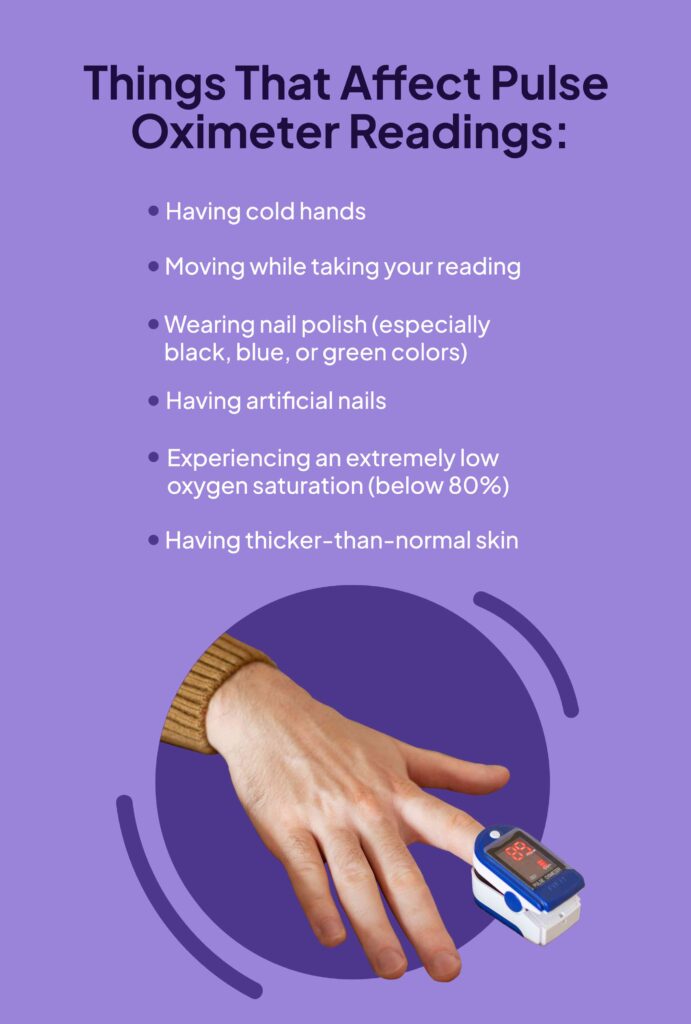
- Avoid wearing nail polish on your measuring finger as it might interfere with light transmission.
- Make sure you’re not in an extremely bright environment, especially if it has infrared components.
It’s also essential to understand how to properly use a fingertip pulse oximeter. Here are some additional tips:
- Use the device at the same time every day to establish a baseline for your oxygen levels.
- Take multiple readings over a short period to ensure accuracy.
- Store the device in a cool, dry place when not in use.
What to Look for When Buying a Fingertip Pulse Oximeter
When purchasing a fingertip pulse oximeter, consider the following factors:
- Accuracy: Look for devices that claim accuracy within ±2% of actual oxygen saturation levels.
- Battery Life: Opt for devices with long battery life or those that can be easily recharged.
- Additional Features: Some devices come with extra features like heart rate monitoring or a display screen. Consider whether these are essential to you.
Some popular brands and models to consider:
- Masimo Pulse Oximeter: Known for its accuracy and durability, Masimo offers a range of devices suitable for both medical professionals and athletes.
- Nonin Medical Pulse Oximeter: Nonin provides a variety of affordable options with advanced features like heart rate monitoring.
Common Mistakes to Avoid When Using a Fingertip Pulse Oximeter
To ensure accurate readings and avoid any potential issues, be aware of these common mistakes:
- Inadequate cleaning: Failure to wash your hands before using the device can lead to inaccurate readings.
- Incorrect placement: Placing the device on the wrong finger or at an incorrect angle can affect accuracy.
- Ignoring user instructions: Failing to follow proper usage guidelines can result in poor performance and inaccurate results.
Conclusion
In conclusion, fingertip pulse oximeters are valuable tools in maintaining your health. By understanding how they work and using them correctly, you can gain insights into your body’s performance and make informed decisions about your lifestyle. With the right knowledge and device, you can take control of your well-being and live a healthier life.
Frequently Asked Questions
- What are the benefits of using a fingertip pulse oximeter?
- Fingertip pulse oximeters allow for accurate oxygen saturation measurements.
- They enable users to track changes in their body’s performance over time.
- How do I use a fingertip pulse oximeter accurately?
- Always wash your hands before using the device.
- Avoid wearing nail polish on your measuring finger.
- Keep away from bright lights, especially infrared ones.
- What should I look for when buying a fingertip pulse oximeter?
- Opt for devices with high accuracy (±2% or better).
- Choose devices with long battery life or easy recharge options.
- Consider additional features like heart rate monitoring or display screens.
- Can fingertips pulse oximeters be used by everyone?
- Yes, they can be used by anyone looking to monitor their oxygen levels.
- This includes athletes, individuals with pre-existing medical conditions, and those interested in maintaining overall health.
- How often should I use a fingertip pulse oximeter?
- Regularly monitor your oxygen levels, especially if you have any health concerns.
- Use the device as part of your daily routine to track changes in your body’s performance.
By following these guidelines and using your fingertip pulse oximeter correctly, you can gain valuable insights into your overall health.


