
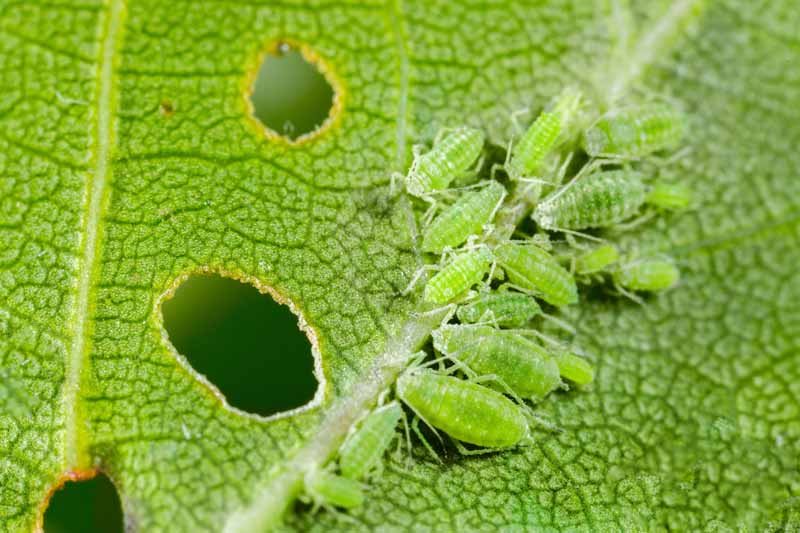
Dealing with Squash Aphids: A Comprehensive Guide
As a gardener, there’s nothing more frustrating than discovering that your squash has been infested with aphids. These pesky insects can cause significant damage to the plant, reducing its yield and affecting its overall health. In this article, we’ll explore the best ways to deal with squash aphids, including natural remedies and effective treatments.
Understanding Squash Aphids
Squash aphids are a type of insect that belongs to the species Aphis gossypii. They’re common pests that feed on the sap of squash plants, causing damage to the leaves, stems, and fruits. These insects can also transmit plant viruses, making them a serious threat to your garden.
Recognizing Squash Aphid Infestations
Identifying an aphid infestation can be challenging, but there are some common signs to look out for:
- Yellowing or stunted leaves: Aphids feed on the sap of the plant, causing it to become weakened and discolored.
- Wavy or curled leaves: As aphids multiply, they produce a sticky substance called honeydew that can attract other pests, like ants and wasps.
- Fungus growth: The honeydew secreted by the aphids can attract fungi, which can spread to the plant and cause further damage.
Effective Ways to Deal with Squash Aphids
1. Physical Removal
One of the most effective ways to deal with squash aphids is through physical removal. Use a gentle spray of water to dislodge the insects from the plant. This method is especially effective for small infestations.
2. Neem Oil Treatment
Neem oil is a natural insecticide that can be used to control squash aphid populations. Mix neem oil with water and spray it on the affected areas. Neem oil works by disrupting the insects’ hormone system, preventing them from reproducing.
3. Soap Solution
A mild dish soap solution can also be effective in controlling squash aphids. Mix one tablespoon of soap with one quart of water and spray it on the plant. The soap will suffocate the insects, killing them quickly.
4. Garlic Spray
Garlic has natural insecticidal properties that can help control squash aphid populations. Mix crushed garlic with water and let it sit for a few hours before spraying it on the affected areas.
5. Introduce Beneficial Insects
Introducing beneficial insects like ladybugs or lacewings to your garden can help control squash aphid populations. These insects feed on the aphids, reducing their numbers naturally.
Natural Remedies for Squash Aphids
1. Cucumber Vinegar Spray
Mix equal parts of cucumber vinegar and water and spray it on the affected areas. The acidity in the vinegar will help kill the aphids.
2. Egg White Spray
Crack an egg into a bowl, beat it lightly, and mix it with water. Spray the mixture on the plant. The proteins in the egg white will suffocate the aphids, killing them quickly.
3. Cayenne Pepper Spray
Mix cayenne pepper with water and spray it on the affected areas. The heat from the pepper will kill the aphids.
Common Mistakes to Avoid When Dealing with Squash Aphids
1. Not Identifying the Infestation Early
Ignoring early signs of an infestation can lead to severe damage to your squash plant. Identify the problem quickly and take action.
2. Using Ineffective Treatments
Don’t rely on ineffective treatments that may not control the aphid population effectively. Choose methods that have been proven to work in controlling squash aphids.
3. Not Repeating Treatment
Aphid infestations can occur repeatedly if left unchecked. Repeat treatments as necessary to ensure the problem is fully resolved.
Tips and Tricks for Effective Pest Management
1. Use Companion Planting to Repel Pests
Some plants, like basil, mint, and dill, have natural properties that repel aphids and other pests. Incorporate these plants into your garden to reduce the risk of infestations.
2. Maintain Good Garden Hygiene
Regularly clean up debris and weeds from your garden, as they can harbor aphid eggs or larvae. Remove any dead or dying plant material to prevent the spread of disease.
3. Monitor Your Plants Regularly
Regular inspections will help you catch infestations early, reducing the risk of damage and promoting healthy growth.
Conclusion
Dealing with squash aphids requires a combination of effective treatments and natural remedies. By understanding the signs of an infestation, identifying common mistakes, and choosing the right methods, you can effectively control squash aphid populations and enjoy a healthy harvest.
Frequently Asked Questions (FAQs)
Q: How do I prevent squash aphids from infesting my plants?
A: Use beneficial insects like ladybugs or lacewings to control aphid populations. Also, introduce cipolle or aglio into your garden to repel the pests.
Q: Can I use chemical pesticides to control squash aphids?
A: No, it’s recommended not to use chemical pesticides, as they can harm beneficial insects and contaminate soil and water.
Q: How often should I repeat treatments for squash aphids?
A: Repeat treatments every 7-10 days to ensure the infestation is fully resolved.
Q: Are there any natural remedies that can control squash aphid populations?
A: Yes, use cucumber vinegar spray, egg white spray, or cayenne pepper spray as a natural treatment option.
Q: What should I do if my squash plant has been heavily infested with aphids?
A: Prune the affected areas to prevent further damage. Also, introduce beneficial insects and repeat treatments as necessary to control the population.
Q: Can I grow squash in containers to avoid aphid infestations?
A: Yes, growing squash in containers can help reduce the risk of aphid infestations.
Q: How do I know if my squash plant is healthy or diseased?
A: Check for signs of disease like yellowing leaves, black spots, or white powdery patches. Also, monitor temperature fluctuations and humidity levels to prevent fungal growth.
By following these tips and using the right methods, you can effectively manage squash aphid populations and enjoy a bountiful harvest.


