
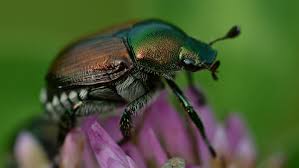
As an invasive species, Popillia japonica, like most alien species, is detrimental to our territory. In biology, a species alloctone refers to a species that, due to human activities, has colonized a territory different from its natural habitat.
When a species alloctone enters a new environment, there are three possible scenarios: in the best case, the species integrates perfectly into the new habitat; in the second case, the species is unable to adapt and eventually becomes extinct; or, as often happens, the alien species adapts and thrives, reproducing at large numbers and altering the balance of the new environment. The alloctone species can enter competition with native species: native species have natural predators while the alien species, having settled in “artificially”, may not have any natural predators and therefore gains an advantage over other species.
In Europe, it’s estimated that over 13,000 invasive species have been introduced, with a significant economic and environmental impact. Popillia japonica is among them.
Other negative examples include the redroot chafers and nutrias, both accidentally introduced by human activities.
The Popillia Japonica in Italy
The Popillia japonica, a Japanese beetle, has recently been introduced to our territory: the first damage to our crops dates back to 2014. The first outbreaks of infestation occurred in Lombardy, particularly in the Parco del Ticino and near Turbigo (Milan). In the summer of 2014, also the Piedmont saw several sightings, mainly in the area between Pombia and Galliate.
The Popillia japonica is a highly mobile species, capable of flying long distances. This means that it can easily spread to other areas, potentially causing significant damage to our crops and ecosystems.
Reporting Popillia Japonica
If you have spotted a Popillia japonica, you are required to report it to your regional phytosanitary services. The beetle typically emerges in late afternoon, does not eat in full sun, so it tends to stay under leaves or branches during the hottest part of the day.
It’s essential to be aware of the signs and symptoms of Popillia japonica infestation, which can include:
- Damage to crops, particularly those with high nitrogen content
- Premature defoliation of plants
- Discoloration of leaves or stems
Recognizing Popillia Japonica
The Popillia japonica, as shown in the photo above, is easily recognizable by its distinctive markings: there are five white hairs on each side and at the end of the abdomen. It’s essential to distinguish it from non-harmful insects native to our countryside.
Lotta alla Popillia Japonica
The battle against Popillia japonica employs three different strategies:
- Manual capture: The beetle can be caught by hand using a specialized tool.
- Trapping using pheromones of adult insects: Traps can be set up to capture adult beetles attracted by pheromones.
- Biological control: Introducing natural predators of the Popillia japonica, such as the vespa Tiphia vernalis, which has been used successfully in North America.
The biological control method has been particularly effective in North America. The small vespa (10 mm long) originates from Asia and uses the larvae of Popillia japonica as a nest for laying its eggs.
Another antagonist is Bacillus Thuringiensis, a bacterium that can already be purchased in formulations. I have discussed it previously because it has also been used against the pine sawfly. Even with Bacillus Thuringiensis, the beetle is targeted in the larval stage of its life cycle. To initiate autonomous biological control against Popillia japonica, granules containing Bacillus Thuringiensis can be purchased, which allow the bacterium to penetrate the soil and eliminate the larvae.
Prevention is Key
Preventing the spread of Popillia japonica requires a multi-faceted approach. Some measures that can be taken include:
- Monitoring crop fields regularly for signs of infestation
- Implementing integrated pest management strategies, which combine physical, cultural, biological and chemical controls
- Educating farmers and gardeners about the risks associated with Popillia japonica and the importance of reporting sightings to regional phytosanitary services
The fight against the Popillia japonica is ongoing, and it’s essential to stay informed about the latest developments and updates on this topic.
Questa è la fine dell’articolo di oggi. Se ti è piaciuto, puoi seguirmi su Twitter, aggiungermi su Facebook, tra le cerchie di Google+ o vedere i miei scatti su Instagram. Ci sono infinite opzioni per esplorare!
Pubblicato da Anna De Simone il 27 Giugno 2015


