
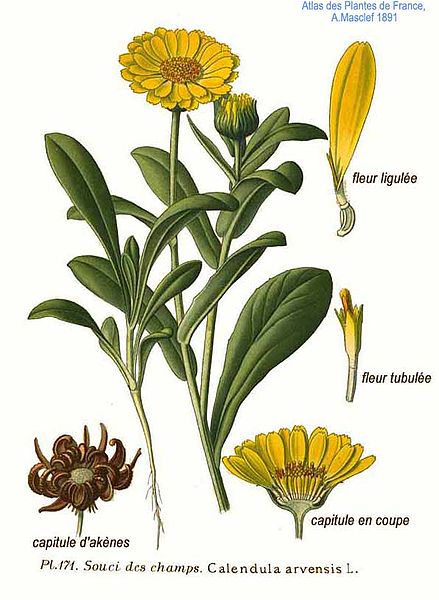
Understanding the Wild Calendula (Calendula arvensis)
The wild calendula, also known as calendula arvensis or field marigold, is a lesser-known species of calendula that is native to fields and meadows. It is characterized by its small, fine hairs that give it a moist appearance. While it is often confused with the cultivated calendula officinalis, which has larger flowers, the wild calendula is distinct due to its smaller leaves and stems.
The History of Wild Calendula
The wild calendula has been used for centuries in traditional medicine and cooking. In ancient Greece, it was known as “calendula” and was used to treat a variety of ailments, including wounds, burns, and skin conditions. The plant was also valued for its beauty and fragrance, and was often used in perfumes and potpourri.
Using Wild Calendula in Cooking
The wild calendula can be used as a vegetable, either before or after blooming, except for the roots. The entire plant can be cooked like a green, while the young leaves can be added raw to salads. The flowers can also be used in various dishes, such as soups, stews, and sandwiches.
The petals of the wild calendula can be used as a natural food coloring, similar to saffron. In the past, they were even considered a more affordable alternative to saffron. The flowers can also be dried and ground into a powder, which can be used in various recipes.
Medicinal Properties of Wild Calendula
The wild calendula has been found to have several medicinal properties, including:
- Anti-inflammatory properties: The wild calendula contains a number of compounds that have anti-inflammatory properties, making it effective for treating pain and reducing inflammation.
- Antimicrobial properties: The plant has antimicrobial properties, which can help to prevent the growth of bacteria and other microorganisms.
- Antiseptic properties: The wild calendula has antiseptic properties, which make it an effective treatment for wounds and cuts.
- Antemmenagogous properties (regulates menstrual cycles): The plant has been found to have antemmenagogous properties, which can help to regulate menstrual cycles and reduce symptoms of menopause.
- Choleretic properties (stimulates digestion of fats): The wild calendula contains a number of compounds that stimulate the digestion of fats, making it effective for treating digestive issues.
These properties make the wild calendula a valuable natural remedy for various health issues, including skin problems and digestive disorders.
Using Wild Calendula for Skin Issues
The wild calendula can be used to treat various skin issues, such as:
- Irritation: The plant’s anti-inflammatory and antiseptic properties make it effective for treating irritation and redness.
- Cuts and scrapes: The antiseptic properties of the wild calendula make it an effective treatment for cuts and scrapes.
- Burns: The plant’s cooling properties can help to reduce the heat and discomfort associated with burns.
It is also believed to have antiseptic properties, making it a natural remedy for wounds. The oil extracted from the flowers can also be used as a skincare treatment.
Other Uses of Wild Calendula
The wild calendula has been found to have several other uses beyond cooking and skin care. It can be used in traditional medicine to:
- Treat digestive issues: The plant’s choleretic properties make it effective for treating digestive issues, such as bloating and gas.
- Relieve menstrual cramps: The antemmenagogous properties of the wild calendula make it an effective treatment for menstrual cramps.
It is also believed to have anti-inflammatory properties, making it a natural remedy for various health issues.
Precautions and Side Effects
While the wild calendula is generally considered safe to use, there are some precautions and side effects to be aware of:
- Allergic reactions: Some people may be allergic to the plant, so it’s essential to do a patch test before using it.
- Interactions with medications: The antiseptic properties of the wild calendula can interact with certain medications, such as blood thinners and diabetes medications.
- Pregnancy and breastfeeding: There is limited research on the use of wild calendula during pregnancy and breastfeeding, so it’s best to consult with a healthcare professional before using it.
Conclusion
In conclusion, the wild calendula is a versatile plant that has several medicinal and culinary uses. Its anti-inflammatory, antimicrobial, antemmenagogous, choleretic, and astringent properties make it a valuable natural remedy for various health issues. Whether used in cooking or as a skincare treatment, the wild calendula is a great addition to any natural medicine cabinet.
Frequently Asked Questions (FAQs)
-
What is the difference between wild calendula and cultivated calendula?
- The main difference between wild calendula and cultivated calendula is their appearance. Wild calendula has smaller leaves and stems, while cultivated calendula has larger flowers.
-
Can I use wild calendula in cooking?
-
Yes, the wild calendula can be used as a vegetable or added raw to salads. The flowers can also be used in various dishes, such as soups, stews, and sandwiches.
-
What are the medicinal properties of wild calendula?
-
Wild calendula has anti-inflammatory, antimicrobial, antemmenagogous, choleretic, and astringent properties.
-
Can I use wild calendula for skin issues?
-
Yes, wild calendula can be used to treat various skin issues, such as irritation, cuts and scrapes, and burns.
-
Where can I find information on using wild calendula?
-
There are several sources available that provide information on the use of wild calendula in cooking and medicine.
References:
- “Guida Pratica di Vita in Campagna” by Anna De Simone
- “Riconoscere e cucinare le buone erbe”
- Amazon


