
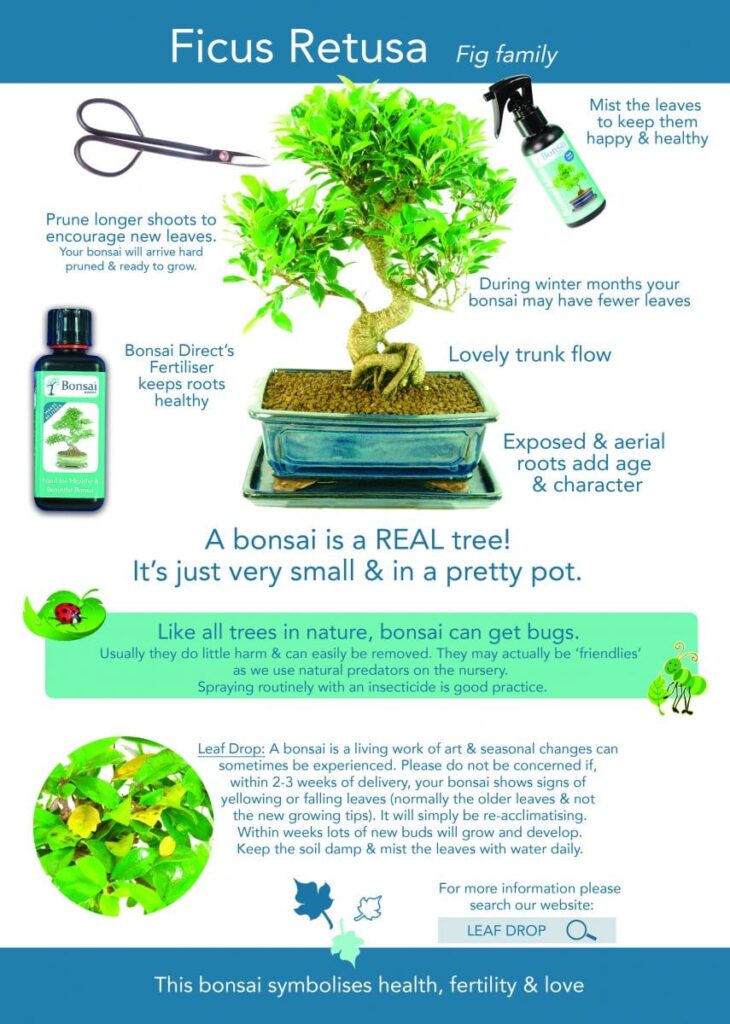
Introduction
Ficus bonsai are small trees that have been cultivated for centuries in Asia, particularly in China and Japan. Despite their simplicity, they require careful attention and dedication to thrive. In this article, we will explore the world of Ficus bonsai, discussing their history, care requirements, and techniques for cultivation.
Why Choose a Ficus Bonsai?
Ficus bonsai are considered one of the most popular types of bonsai trees due to their unique characteristics and ease of cultivation. They come in various species, but two of the most common are the Ficus ginseng and the Ficus retusa. These trees are ideal for beginners and experienced enthusiasts alike, as they are relatively low-maintenance and can be grown indoors or outdoors.
Understanding Ficus Bonsai
Ficus bonsai, in essence, are miniature versions of their wild counterparts. They do not require a lot of space, making them an excellent choice for indoor gardens or offices. However, it is essential to note that they still need proper care and attention to thrive.
Common Problems with Ficus Bonsai
One of the most common issues faced by Ficus bonsai owners is leaf loss. This can be caused by inadequate light, watering, or temperature fluctuations. To prevent this, it’s crucial to provide sufficient light and maintain a consistent water schedule.
Choosing the Right Location for Your Ficus Bonsai
When selecting a location for your Ficus bonsai, ensure that it receives plenty of sunlight. A south-facing window is ideal, but if this is not possible, a well-lit room will suffice. Additionally, monitor the tree’s growth to avoid overwatering or underwatering.
Watering and Humidity
Watering is an essential aspect of Ficus bonsai care. Overwatering can be detrimental, so it’s crucial to check the soil moisture regularly. If the soil feels dry, water your tree thoroughly. To maintain humidity, you can place the pot on a tray filled with water and pebbles.
Potting Mix and Repotting
A well-draining potting mix is essential for Ficus bonsai. Use a high-quality mix specifically designed for bonsai trees. When repotting, gently remove the tree from its pot, inspect the roots, and trim any dead or damaged areas. Replant the tree in a slightly larger pot filled with fresh potting mix.
Pruning and Shaping
Regular pruning is necessary to maintain the desired shape of your Ficus bonsai. Use sharp, clean tools and prune the tree throughout the year, removing any dead or damaged branches. Prune the trunk and branches at a 45-degree angle to encourage healthy growth.
Common Mistakes to Avoid
When cultivating a Ficus bonsai, it’s easy to make mistakes. Here are some common errors to avoid:
- Underwatering or overwatering
- Insufficient light
- Poor air circulation
- Inadequate pruning
Fertilization and Pest Control
Regular fertilization is necessary to promote healthy growth in your Ficus bonsai. Use a balanced, water-soluble fertilizer during the growing season (spring and summer). For optimal results, follow the manufacturer’s instructions.
Pests can also be a problem for Ficus bonsai. Regularly inspect your tree for signs of pests, such as spider mites, mealybugs, or scale. If you find any pests, treat them promptly with insecticidal soap or neem oil.
Repotting and Pruning Schedule
Ficus bonsai typically require repotting every 2-3 years. Check the roots regularly to determine if it’s time to repot your tree. Prune your Ficus bonsai throughout the year, removing any dead or damaged branches. This will help maintain the tree’s shape and promote healthy growth.
Propagation Methods
Ficus bonsai can be propagated through stem cuttings or air-layering. For optimal results, use a healthy, mature branch as the cutting. Make a clean cut just above a node, and plant it in a well-draining potting mix.
Air-layering is another effective method for propagating Ficus bonsai. This involves making a small incision in the stem, wrapping it with moistened sphagnum moss, and securing it with wire or twine. Roots will develop within a few weeks, allowing you to cut the stem below the node and plant the new root system.
Conclusion
Ficus bonsai are beautiful and rewarding plants that require careful attention and dedication. By following the guidelines outlined in this article, you can create a stunning Ficus bonsai that brings joy and serenity to your home or office.
Frequently Asked Questions
Q: How often should I water my Ficus bonsai?
A: Check the soil moisture regularly and water when the top inch of soil feels dry.
Q: Can I grow Ficus bonsai indoors?
A: Yes, but ensure that they receive sufficient light and maintain a consistent temperature between 65°F to 75°F (18°C to 24°C).
Q: How often should I prune my Ficus bonsai?
A: Prune your tree throughout the year, removing any dead or damaged branches.
Q: What is the best potting mix for Ficus bonsai?
A: Use a high-quality, well-draining potting mix specifically designed for bonsai trees.
Q: Can I grow multiple Ficus bonsai together?
A: Yes, but ensure that they have enough space and receive sufficient light.
Q: How long does it take to grow a mature Ficus bonsai?
A: This can vary depending on the species, climate, and care. With proper care, Ficus bonsai can live for many years.
Q: Can I propagate my Ficus bonsai through cuttings?
A: Yes, but ensure that the cuttings are healthy and taken from a mature branch.


